




The Trip Keeper The Trip Keeper
three doors, pick the one that fits your family How do you want to travel?
Cheshta Agarwal, founder and host of The Trip Keeper, smiling on a green country road
Hosted by Cheshta

Founder-Hosted Group Tour

the trips where Cheshta travels with you

Our own exclusive group trips. Cheshta is on the trip, from the first flight to the last dinner.

  • Cheshta travels with the group
  • One clear price, inclusions listed
  • Meet your travel family
Next up: Vietnam, 17 DecView →
See founder trips →
A fixed-departure batch on tour

fixed dates, fixed flights

Join a batch of fellow travellers on set dates. Limited seats, flights included, with options. Our team doesn't travel on these.

  • Fixed dates and flights
  • Limited seats per batch
  • Flight options available
See departures →
A private family trip

Private Tour

your dates

just your family, nobody else

Trips planned around your family, your pace and your dates. Milestone birthdays and anniversaries.

  • Travel on your own dates
  • Route shaped around you
Ask for a quote →
← Journal ☏
Day Trips 4 min read

A Tonle Sap Day Trip from Siem Reap: Kampong Phluk, Boat Costs and the Afternoon Plan

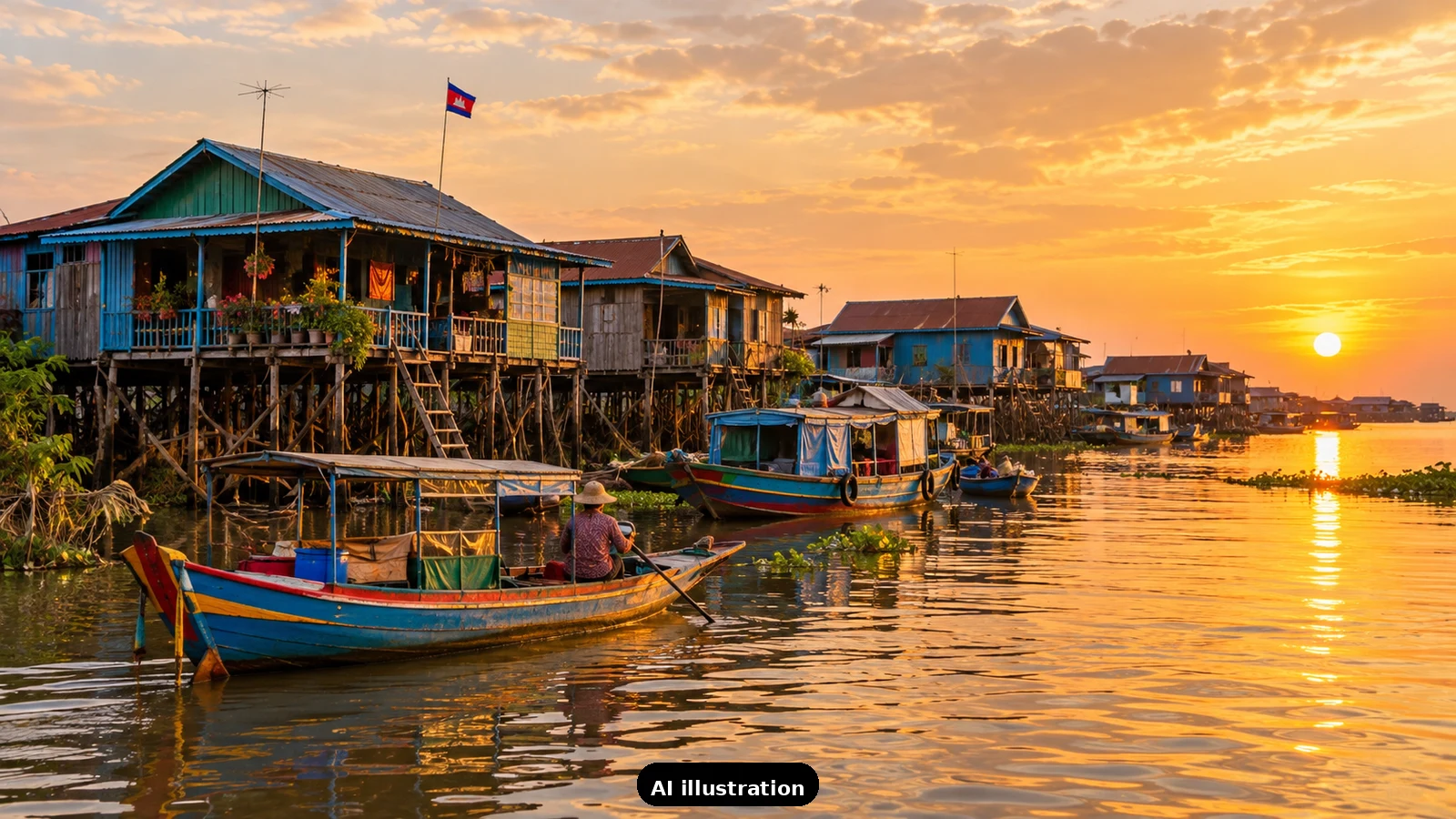
An hour from Siem Reap, whole villages stand on stilts above Southeast Asia's largest lake. Which floating village to choose, what the boats actually cost, and the half-day plan that leaves your temple days untouched.

share WhatsApp Facebook X
Text size
A Tonle Sap Day Trip from Siem Reap: Kampong Phluk, Boat Costs and the Afternoon Plan
Send to Mummy-Papa Opens WhatsApp with a short summary — pick who to send it to.

Short answer: yes, give Tonle Sap half a day. The lake is the largest in Southeast Asia and a UNESCO biosphere reserve, and its stilted and floating villages are unlike anything in the Angkor park. The most rewarding one near Siem Reap is Kampong Phluk - a village of tall stilt houses about an hour's drive away, with a flooded forest you can drift through by rowboat. You can be back at your hotel by dinner, having spent far less than a temple day.

Which village to choose. Three are within day-trip range. Kampong Phluk (about 25-30 km south, 40 minutes to an hour by road) is the classic choice: stilt houses rising up to ten metres, a working fishing community, and the flooded-forest paddle as an optional extra. Chong Kneas is the closest to town (around 30-40 minutes) and the most visited - convenient if you are very short on time, but it feels the most tour-boat polished. Kampong Khleang, about 50 km out, is the largest and most local, worth it if you want fewer boats and don't mind the longer drive. For a first visit, Kampong Phluk hits the balance.

What it actually costs. Boats at Kampong Phluk are run through a government ticket office a few kilometres before the pier, with standard rates - budget roughly 20-25 USD per person for the main boat trip, including the small community eco-fee, and about 5 USD extra per person if you add the flooded-forest rowboat through the mangroves (about 90 minutes on the water in total, longer if you linger). Getting there: a tuk-tuk with waiting time runs about 18-25 USD return, a car about 40-45 USD. The zero-hassle option is a shared group tour at around 24 USD per person including hotel pickup - morning (about 8:30 AM to 1:30 PM) or afternoon (about 2:30 PM to after sunset on the lake). Agree whether the ticket-office fees are included before you pay anyone.

The plan that works. If this is your only sight for the day, take the afternoon slot: pickup around 2 PM, the village in warm late light, sunset from a boat on the open lake, back by about 7:30. If you are combining it with a gentle morning - the Old Market, a cafe, or the Roluos group temples (Bakong is on the Kampong Phluk road and included in the Angkor pass) - the morning departure is cooler and quieter. Either way, keep it off your heavy temple days: a Tonle Sap half day slots perfectly into the rest day between Angkor marathons.

Season changes everything. Tonle Sap swells to several times its dry-season size during the monsoon, and that changes what you see. In the high-water months - roughly August to January - the lake fills, boats glide between the houses, and the flooded forest rows are at their best. From about February to May the water drops, the stilt houses tower above bare earth, and channels narrow; it is still a fascinating look at village life, just a different photograph. If you are visiting in the shoulder months, ask your operator what the water is doing this week before you commit.

Practical notes for Indian families. Tour boats provide life vests - fine for kids and seniors, though boarding means stepping across short gangways, so steady anyone unsteady. Carry water, hats and sunscreen; there is little shade on the open lake. Food options in the village are basic floating restaurants - vegetarians should eat in Siem Reap and carry snacks. Toilets are at the pier, not on the water. Bring small US dollar notes, and expect a dusty last stretch of road in dry season. A camera with a strap is a good idea on the rowboat.

How TripKeeper fits Tonle Sap in. On our founder-hosted Siem Reap batches, Tonle Sap is the scheduled rest-day afternoon: a vetted boat operator, ticket-office fees handled, cold water on board and sunset timed into the drive back. Travelling on your own? Send a trip-planning inquiry - we will slot the lake day around your temple pass so nothing feels rushed.

Send to Mummy-Papa Opens WhatsApp with a short summary — pick who to send it to.
Cheshta Agarwal
Founder · Travel Creator · Lawyer

A Miranda House graduate and lawyer who traded courtrooms for slow travel. Cheshta travels with the batches we host ourselves, with a soft spot for travelling alongside elders.

or let us do all of it

Planning your next trip?

We'll handle insurance, hotels, airport assistance and the itinerary — the same way we do it for every trip.

Questions on this article

asked by readers, answered by us

Which floating village is best to visit from Siem Reap?

Kampong Phluk is the best first choice: about an hour away, with dramatic stilt houses, a working fishing community and an optional flooded-forest rowboat. Chong Kneas is closer (30-40 minutes) and fine if time is very short, but it is the most tour-boat oriented. Kampong Khleang, about 50 km out, is the largest and least visited - worth it for a more local feel if you don't mind the longer drive.

How much does a Tonle Sap boat trip cost?

At Kampong Phluk, boats are sold through an official ticket office at standard rates: budget roughly 20-25 USD per person including the small community eco-fee, plus about 5 USD each for the flooded-forest rowboat. Transport is extra - about 18-25 USD return by tuk-tuk with waiting, or 40-45 USD by car. Shared group tours with hotel pickup run around 24 USD per person; always confirm whether the boat ticket is included before paying.

How long does a Tonle Sap day trip take?

Half a day, door to door. Typical shared tours run about five hours - roughly 8:30 AM to 1:30 PM for the morning slot, or 2:30 PM to about 7:30 PM for the afternoon slot, which ends with sunset on the lake. The drive to Kampong Phluk takes 40 minutes to an hour each way, and you will spend around 90 minutes or more on the water itself.

When is the best time of year to visit Tonle Sap?

The high-water months, roughly August to January, are the most scenic: the lake is full, boats pass right between the stilt houses and the flooded forest is navigable by rowboat. From February to May the water recedes and the houses stand high above dry ground - still an interesting look at village life, but a very different scene. In shoulder months, ask your operator about current water levels before booking.

Is Kampong Phluk suitable for seniors and children?

Yes, with light assistance. Tour boats provide life vests and the village visit involves no serious walking - the main effort is stepping across short gangways to board, where a helping hand and steady shoes matter. Afternoon departures are gentler on seniors than early starts, and the sunset on the lake is a highlight for all ages. Carry water and hats, as shade is limited on the open water.

Is Tonle Sap worth it, or is it a tourist trap?

Worth it - if you choose well. Kampong Phluk and Kampong Khleang are real communities with government-run ticket offices, standard boat rates and a small eco-fee that goes to village management. Chong Kneas draws the most complaints about souvenir stops and shop pressure. Book through your hotel or a reviewed operator, confirm exactly what the price includes, and the lake half day ends up a favourite memory rather than a cautionary tale.

Was this helpful?

one tap, no sign-up

Read next

← Journal See our trips