




Fact checked:17 November 2026. Suggested itinerary, not included bookings.
Why give Chaozhou two days?
Chaozhou makes more sense as a compact old-city stay than a checklist spread across eastern Guangdong. Give the Han River and Guangji Bridge a proper daytime slot, walk the archways of Paifang Street in shorter pieces, and leave room for Chaozhou Kaiyuan Temple and a seated tea break. Food belongs between those stops, not at the end of an overfilled day. Two days are our suggested pace, not an official tour duration.
This route stays in and around the old city. It does not add Shantou, Nan'ao Island, Phoenix Mountain or a distant tea village as if each were an effortless extra stop. Those need their own transport and weather planning. If you only have one day, keep the bridge and one old-city loop rather than trying to complete everything below.
Before you go: the current bridge notice
The operator notice dated 11 November 2026 says the floating section of Guangji Bridge has resumed connection. Its winter hours are Monday-Friday 10:00-16:30, with ticket checks stopping at 16:00; weekends and statutory holidays 09:00-17:30, with ticket checks stopping at 17:00. These are China local times. Arrive well before the last check rather than treating it as the start of a full visit.
This is a dated operating notice, not a guarantee for your travel day. Check a newer operator announcement before leaving, especially if wind, river conditions or temporary work changes access. The notice does not provide a fixed public timetable for watching the boats connect or separate. Do not build a non-refundable evening plan around a dismantling performance. Current ticket prices, foreign-passport concessions, payment methods and entrance arrangements were not independently confirmed from a current primary ticket page for this guide.
Day 1 morning: Paifang Street without rushing it
Start with Paifang Street, also written 牌坊街, and choose a manageable section before lunch. The city's account describes the street across Taiping Road and Dongmen Street, with stone archways and adjoining old lanes. Look above shop level at the archways and the covered commercial frontage. The official history connects that streetscape with both local commemorative traditions and later overseas-influenced arcade buildings.
Treat the street as a living shopping area, not a continuous museum gallery. Move aside when stopping for photographs and do not enter residential doorways for a better angle. Save an interesting side lane for the second day instead of turning every doorway into another must-see. A tea stop or snack break makes a useful halfway point. Shop hours, queues and seating vary; this route does not promise that every stall opens early or serves all day.
Day 1 afternoon: Guangji Bridge and the river
Give Guangji Bridge, 广济桥, the most time-sensitive position of the day. It stands across the Han River by the old city's eastern side. The city's history dates its beginnings to 1171 and describes construction and rebuilding over many centuries. Another city account records the restoration reopening in 2007. What you see should not be described as an untouched bridge surviving intact from one medieval year.
The combination of stone sections, pavilions and the boat-supported middle is the point of the visit. Read the day's admission notice before purchasing and ask where the permitted exit is. Older September entrance-closure instructions should not be treated as a permanent east-only route. We have not verified the exact current gate layout for this article. If the floating section is unavailable, keep the river-view walk and do not attempt an unofficial crossing or assume another bridge is a short substitute on foot.
Day 1 evening: a meal, not a guaranteed light show
Return to a meal in the old-city area rather than making the evening depend on a show. You can decide on a river outlook after checking the day's barriers and access signs. Bridge opening hours are not a light-show timetable, and this guide does not promise a nightly show, a particular viewing position or free access to every riverfront stretch after closing.
Choose one full meal and perhaps one snack you still want to try. Ordering several similar dishes because every menu labels them a local speciality can make the day repetitive. Ask what a dish contains before ordering, and confirm the portion size and price. If your group has different diets, a restaurant that can answer ingredient questions is a better choice than an unverified famous-name recommendation.
Day 2 morning: Chaozhou Kaiyuan Temple
Make the second morning a quieter old-city visit around Chaozhou Kaiyuan Temple, 开元寺. Check the city name when searching: Quanzhou also has a Kaiyuan Temple, and its photographs, ticket advice and towers must not be imported into a Chaozhou plan. Xiangqiao district and the city local-history office date the Chaozhou temple's foundation to 738 and describe repeated later repairs. Foundation date does not mean every present building is original Tang fabric.
Leave the visit flexible around worship and the site's instructions. Keep your voice low, follow photography signs and do not interrupt religious activity for a picture. Current opening hours, fees, reservation requirements and barrier-free routing were not verified from a current temple primary notice. Check them before setting a timed visit. If an interior is unavailable, use the time for a shorter old-city walk rather than trying to enter a closed area.
Day 2 afternoon: tea and a second old-city loop
Put a seated gongfu-tea stop after lunch and return to whichever part of the old city you enjoyed most. Guangdong's culture and tourism department describes Chaozhou gongfu tea as a traditional drinking and sharing practice, commonly using oolong tea, especially local dancong. It was part of the joint Chinese traditional tea-processing and associated social-practices inscription in 2022. That does not certify every commercial demonstration or turn a shop session into an included public performance.
Ask the tea shop about the tea, number of people, price and whether any demonstration is included before sitting down. You do not need to buy an expensive gift box to appreciate the process. Leave room for a repeat walk, browsing or simply a rest. The plan deliberately avoids making a late remote excursion compulsory after a morning of walking.
What to eat, and what not to assume
Xianshui guo, 咸水粿, is a useful snack to recognise: Guangdong's description shows small rice-batter cups with chopped preserved radish and garlic, with sauces sometimes added. The appearance of rice and vegetables is not a vegetarian certification. Ask about cooking fat, toppings and sauces at the actual stall. Recipes and preparation differ, and we have not inspected any individual kitchen.
The city's food coverage also names beef balls, spring rolls, radish cakes and rice rolls. Those names help you read menus, but do not establish that a particular version has no pork, beef, seafood, egg or meat stock. For a beef-free or strict vegetarian meal, explain your exclusions clearly and ask separately about broth and sauces. If staff cannot confirm, choose something else. We do not claim halal, Jain, allergy-safe or contamination-free food at an unverified business.
Choose food stops by fit, not a copied ranking
The cultural-tourism department directs visitors to the 文化潮州 WeChat account and its 寻味潮州 food-map menu. That is a primary starting point for finding named businesses and routes, not a promise that an old listing has current hours, seating or the diet you need. Confirm the address, opening time and menu with the chosen business before making a special journey.
For a short stay, prioritise a nearby place that can explain its food and give you a seat when you need one. Do not spend both afternoons moving between queues. Keep packaged souvenirs separate from your meal plan and read the actual ingredient label. Tea, snacks and pastries are different products; a sweet-looking item does not tell you whether animal ingredients or alcohol are present.
Where to stay and how to pace the walks
For this itinerary, our planning preference is a base close enough to the old city for a midday rest, with the property's actual access arrangements checked before booking. A charming lane address can still involve carrying bags from a vehicle stopping point. Ask the property where a vehicle can stop, whether there are stairs before reception and whether a lift reaches your room. We have not audited any hotel or promised door-to-door vehicle access.
This is not a verified step-free route. Temple thresholds, bridge sections, crowds and changes in surface can alter how much of the plan suits your group. Split the old-city walk into short loops, carry only what you need and keep a seated alternative. Travellers with mobility needs should obtain current site-specific access details rather than relying on the word easy in a general city guide.
One day, rain or an unexpected closure
With one day, make the bridge's operating window the anchor, then choose Paifang Street and either a temple visit or a tea break. You do not have to keep both. If rain makes extended walking unattractive, shorten the outdoor loop and choose a seated meal or tea stop whose current opening you have checked. An indoor venue is not automatically open, free or suitable for a particular access need.
If the bridge changes access, do not fill the gap with an unresearched museum on the other side of the city. This guide deliberately leaves the city museum out because current primary admission details were not settled for this route. The same applies to river cruises and remote day trips. A shorter well-checked day is better than a replacement that depends on another uncertain ticket or last entry.
Booking checklist and image disclosure
Before travel, recheck the newest Guangji Bridge notice, the day's ticket terms and gate, temple visiting rules, restaurant ingredients and the property's actual arrival instructions. Do not assume a Chinese domestic ID booking flow accepts every foreign passport or phone number. This guide does not establish transport schedules, flight or train rules, visa eligibility or medical advice. Arrange those separately through the relevant official source.
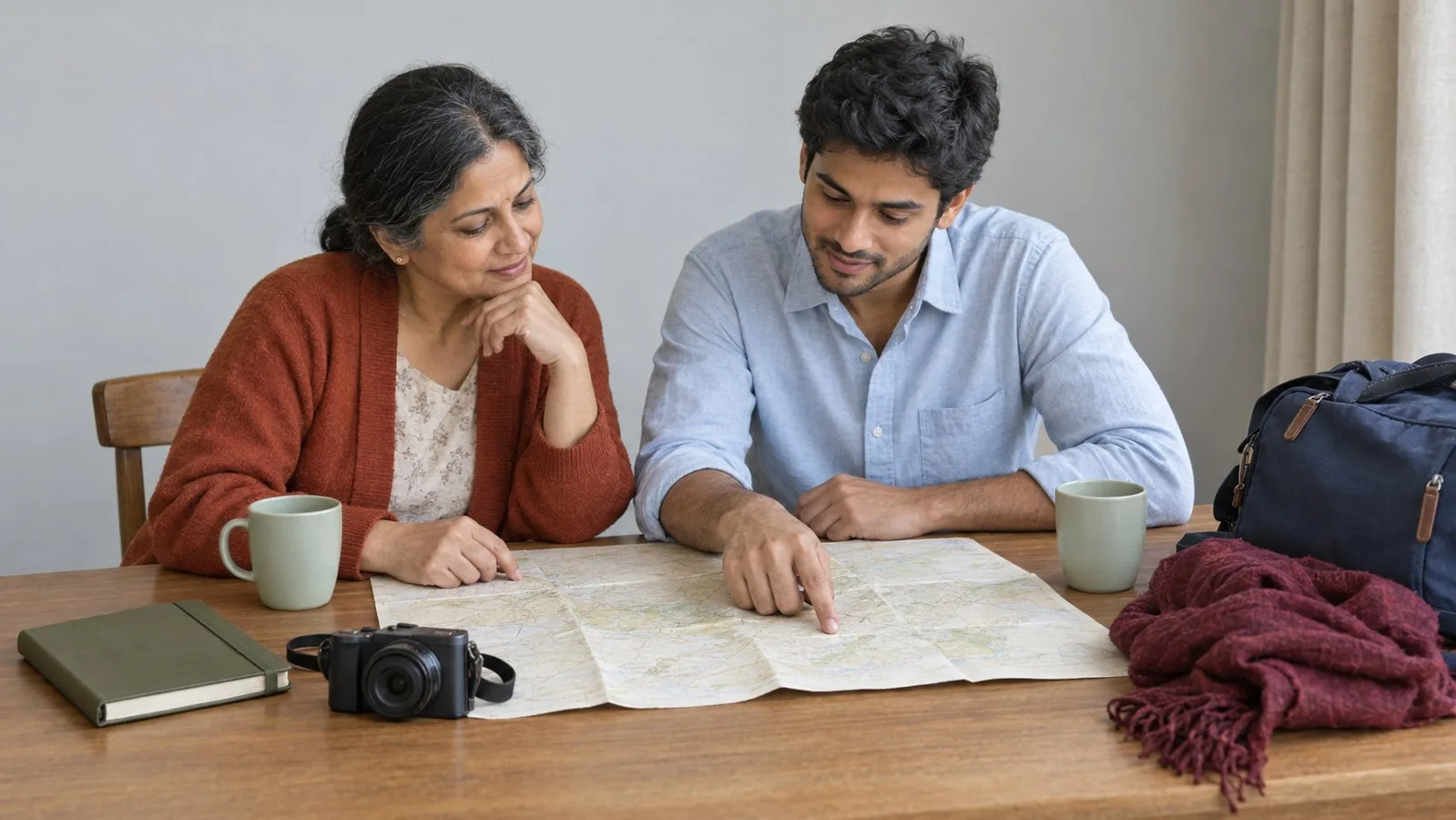
Facts were checked on 17 November 2026. Historical primary sources support the interpretation of the places; they are not current opening notices. Timed visits, meals, tea sessions and transport are not included simply because they appear in this suggested itinerary. The hero is an AI-generated fictional travel-planning photograph with generic people, not a photograph of Chaozhou, a named hotel, real guests or an actual attraction.
Frequently asked questions
Is two days enough for Chaozhou?
Two days is our suggested pace for the old city, Guangji Bridge, Chaozhou Kaiyuan Temple and food or tea breaks. It does not include Shantou, Nan'ao Island or a distant mountain trip.
What are Guangji Bridge winter hours?
The operator notice dated 11 November 2026 lists Monday-Friday 10:00-16:30,last ticket check 16:00; weekends/statutory holidays 09:00-17:30,last check 17:00,China local time. Check newer notices before travel.
Can I watch the floating bridge boats separate at a fixed time?
No fixed public boat-connection or separation timetable was confirmed. The dated restored-connection notice is not a guaranteed daily performance or future crossing promise.
Is Chaozhou Kaiyuan Temple the one in Quanzhou?
No. This itinerary uses Chaozhou Kaiyuan Temple in Guangdong. Do not copy Quanzhou temple photographs or entry advice. Current Chaozhou temple hours and admission rules remain unconfirmed here.
Are xianshui guo vegetarian?
The Guangdong description lists rice batter,preserved radish and garlic, but that does not verify a stall's fat,toppings or sauces. Ask the actual seller; no vegetarian or allergy-safe certification is implied.
Are bridge ticket prices and foreign-passport concessions confirmed?
No current primary ticket page settled the exact price,foreign-passport concessions,payment methods or gate arrangement for this guide. Check the operator and the day's ticket terms before purchase.
Sources and verification notes
- Guangji Bridge operator notice,11 November 2026, via Culture Chaozhou; image and text inspected
- Chaozhou government: cultural-tourism department and Culture Chaozhou account binding,18 April 2025
- Chaozhou government: bridge,gate and Paifang Street history,30 January 2024
- Chaozhou government: bridge restoration and heritage,2023
- Chaozhou cultural-tourism department: city routes,2023
- Xiangqiao district government: Chaozhou Kaiyuan Temple
- Chaozhou local-history office: Kaiyuan Temple
- Guangdong government: xianshui guo ingredients
- Guangdong culture and tourism department: gongfu tea,30 November 2022
- Chaozhou government: old-city food scene
- Chaozhou cultural-tourism department: official food-map route

A Miranda House graduate and lawyer who traded courtrooms for slow travel. Cheshta travels with the batches we host ourselves, with a soft spot for travelling alongside elders.
Planning your next trip?
We'll handle insurance, hotels, airport assistance and the itinerary — the same way we do it for every trip.
Questions on this article
asked by readers, answered by us
Was this helpful?
one tap, no sign-up