




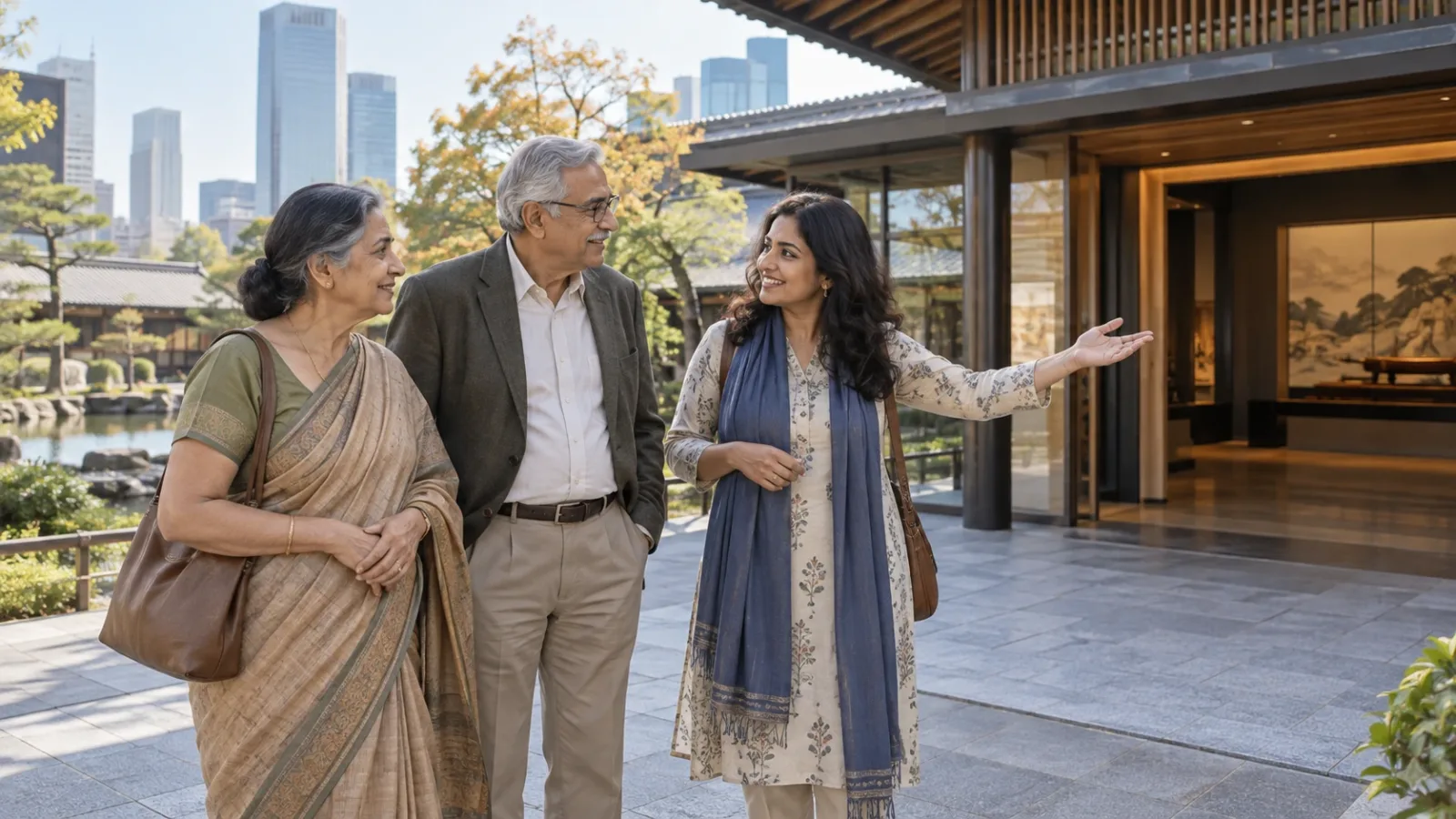
If the family is visiting Fukagawa Edo Museum to walk through its recreated Edo neighbourhood, “the building is open” is not enough information. The permanent exhibition, small theatre and office do not always share the same schedule.
21 December 2026: the exhibition closes, not the whole facility
The museum's official closure notice says the permanent exhibition room will be closed for exhibition changeover on Monday, 21 December 2026. It separately says the administrative office counter and small theatre will operate normally.
That is a specific, one-day exhibition notice. It is not a permanent closure of Fukagawa Edo Museum, and it does not say the theatre has a public show, available seats or a ticket that includes the exhibition. Nor does an open office make the reconstructed neighbourhood accessible that day.
If the Edo streets are the reason your parents want to go, leave that visit out of a 21 December plan unless the museum changes its notice. Choose another confirmed date or a different optional activity. Do not bring everyone there hoping the office can make an exception.
The 22:00 theatre time is not a late museum visit
The museum's facility overview lists exhibition hours as 9:30–17:00, with admission until 16:30. The small theatre and recreation hall are listed separately at 9:00–22:00. Reception hours are a third line, 9:00–17:00.
When a map or listing shows a late closing time, check which part it means before promising an after-dinner exhibition visit. A theatre event has its own named venue, start time and admission arrangements. We have not verified a particular performance, seat or combined ticket here.
The operator's access page lists the usual second and fourth Monday closures, holiday exceptions and temporary maintenance or exhibition-change closures. A date can fall outside the usual Monday pattern and still have a special closure. Read the notices as well as the weekly pattern.
Make sure this is the exhibit the family wants
The permanent exhibition page describes a life-size reconstruction of late-Edo Fukagawa-Sagacho, with shops, storehouses, a waterway and the shared spaces of tenement life. Household objects are arranged around imagined residents' families and work. It is a recreated setting, not a surviving outdoor village.
Time Out's 25 May 2026 review describes learning about everyday life and the changing darkness, and says visitors may find an English-speaking volunteer if lucky. A June 2026 Tripadvisor visitor reported spending four hours and enjoying explanations from English-speaking volunteers. That is one person's experience, not a required visit length or a language booking.
Hindi explanations and a particular volunteer's attendance were not confirmed. Plan a short family visit around the displays that interest your parents instead of promising an on-demand guided tour. Sound and lighting are part of the museum's own description, so do not describe the reconstructed streets as a silent rest room.
Check the route to the exhibition separately from the front door
The Tokyo Sightseeing Accessibility Guide, current as of January 2026, asks visitors to notify staff if they want to use the elevator to the basement exhibition. It lists wheelchair-accessible toilets. GO TOKYO's facility entry also lists access facilities, including a wheelchair-accessible elevator.
Those are planning leads, not a live inspection of the lift, a promise that every reconstructed interior fits every chair, or a reserved place to sit. Confirm the route and any assistance your parent needs before making this the fixed point of the day.
Inside, ask staff before entering a house or handling an object. A generally interactive exhibition does not mean every item can be used in any way, or that a photograph from another visit overrides the signs you see.
Keep one clear check before leaving the hotel
Ask: “Is the permanent exhibition open on our date, and can we use the route we need?” If you are attending a performance too, check that event separately. Keep the room name and date with the family plan, not just “Fukagawa museum open”.
A garden or lunch nearby can be an alternative only after its own opening, route and seating are checked. Do not turn an exhibition closure into an unplanned extra walk for parents.
For a Tokyo itinerary with optional cultural stops and time to adjust, see our Japan trip-planning page. An enquiry does not reserve a performance, guide, transfer or accessible facility; those require a separate agreement.
Questions families ask
What is closed on 21 December 2026?
The official notice schedules the permanent exhibition room to close for exhibition changeover. It says the office counter and small theatre operate normally.
Is Fukagawa Edo Museum permanently closing?
No. The checked notice is about one day and one exhibition area, not a permanent whole-facility closure.
Can we see the Edo streets until 22:00?
Do not use the theatre hours for the exhibition. The operator lists exhibition hours as 9:30–17:00, with admission until 16:30.
Is a Hindi volunteer guide confirmed?
No. English-speaking volunteer experiences are not proof of Hindi help or a particular guide on your date. Confirm language needs separately.
Sources and review
Reviewed 9 November 2026 using eight linked sources across operator notices, tourism/access information, editorial reporting and visitor evidence. The 21 December notice is date-specific and should be checked again before travel. No event booking, live lift inspection, reserved seating or Hindi service was verified. AI image: fictional cultural-building discussion, not a photograph of Fukagawa Edo Museum.

A Miranda House graduate and lawyer who traded courtrooms for slow travel. Cheshta travels with the batches we host ourselves, with a soft spot for travelling alongside elders.
Planning your next trip?
We'll handle insurance, hotels, airport assistance and the itinerary — the same way we do it for every trip.
Questions on this article
asked by readers, answered by us
Was this helpful?
one tap, no sign-up