




Why everyone picks these four months
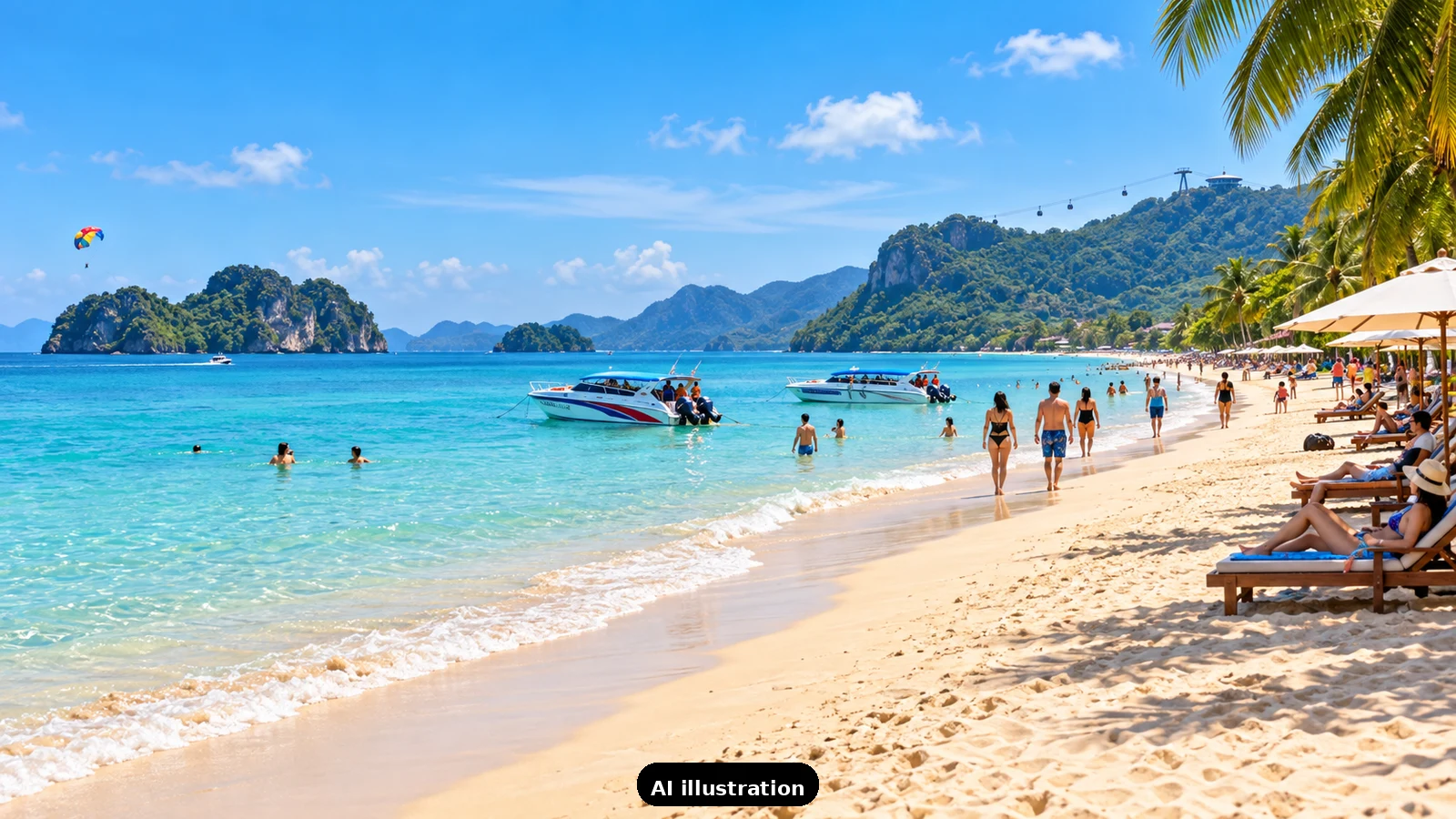
Langkawi sits in the one part of Malaysia with a true dry season: from December to February or March the northeast monsoon wrings the rain out of the sky. February is statistically the driest month (as little as 33-85mm of rain), January close behind, with daytime highs of 31-33°C and nights around 23-25°C. The Andaman Sea is at its calmest - average waves of just 0.3-0.6m - which is why island-hopping, snorkelling and the SkyCab views are most reliable now. This is Langkawi at its postcard best. The trade-off is that the whole world knows it.
December: festive, beautiful, fullest
Early December is a quiet gem; from about 20 December the Christmas-New Year wave hits and Pantai Cenang's beach hotels fill to capacity at their highest rates of the year - expect resort prices to peak 30-60% above shoulder season. The payoff: the year's best sunset conditions, clear west-facing skies, low humidity and a genuinely festive strip. If your dates touch 24 December to 2 January, book the hotel 6-8 weeks ahead or accept whatever is left.
January and February: the weather champions, with a catch
January is the second-driest month with the calmest seas of the year - the reliable window for boat days. February is the driest of all and the hottest-feeling (highs of 33°C are routine). The catch has a lunar calendar: Chinese New Year, falling in late January or February, brings a 7-10 day surge of domestic Malaysian visitors on top of the international peak. Hotels within the CNY window sell out and price up sharply; check which week CNY lands in for your year before locking dates. Outside that window, late February is one of Langkawi's best-kept secrets: peak weather, post-CNY prices.
March: the sweet spot
March keeps the dry weather (rain creeps up but stays modest), the crowds disperse after CNY, and prices slide back to normal - widely considered the best value window of the dry season. It is also the hottest month (33°C highs, occasionally higher), so plan the SkyCab and mangrove mornings early and give yourself the pool-and-nap afternoons anyway.
What to book first - the order that matters
- Hotels, before anything. Beach properties for late December and CNY week go 6-8 weeks out; good mid-range Cenang resorts are the first to sell through.
- Flights. KL-Langkawi has a dozen-plus daily flights, but Christmas and CNY fares climb weeks ahead.
- SkyCab tickets online. Buying in advance skips the ticket queue, and operating hours vary by day - check the official weekly calendar the evening before your ride.
- Boat tours (Kilim mangrove or island hopping). Mornings have the calmest water and the first slots go first; private boats for peak weeks should be booked days ahead.
- Rental car, if you want one. Small cars sell out over Christmas and CNY.
Honest trade-offs to accept
- You will share the beach. Cenang is busy, jet skis hum, and the best sunset bars need a table grabbed before 6 PM.
- "Dry season" does not mean zero rain - December can still deliver short tropical showers, usually brief and evening-timed.
- Peak pricing is real: the same room can cost 30-60% more than in May or November.
- Heat and sun are serious from 11 AM to 3 PM even in the coolest months; plan outdoor anchors for morning and late afternoon.
Bottom line
December-March is when Langkawi keeps its promises. Pay the peak premium and book early if you need Christmas or CNY dates; steal late February or March if you can - same sky, same sea, thinner crowds, gentler bills.

A Miranda House graduate and lawyer who traded courtrooms for slow travel. Cheshta travels with the batches we host ourselves, with a soft spot for travelling alongside elders.
Planning your next trip?
We'll handle insurance, hotels, airport assistance and the itinerary — the same way we do it for every trip.
Questions on this article
asked by readers, answered by us
Was this helpful?
one tap, no sign-up