




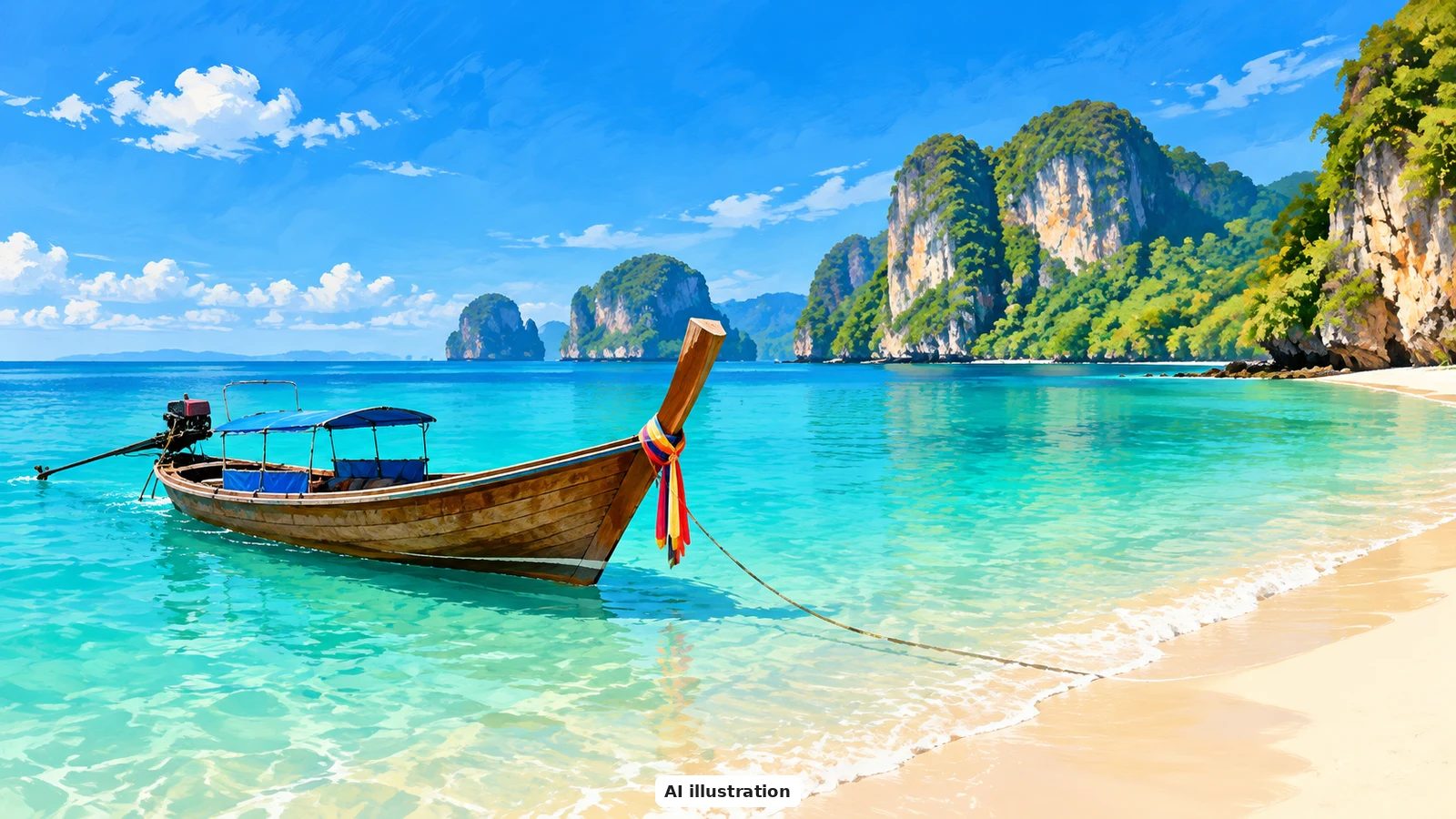
November to March is Phuket's dry-season stretch - the northeast monsoon brings low rain, calm west-coast seas and comfortable heat, and every island tour runs. But treating the five months as one block is the classic planning mistake: the same beach costs three times more in the Christmas fortnight than in late November, and February's sea is identical to January's with a third fewer people sharing it. Here is what actually changes month to month, and the order to book things in.
1. The short answer
For the best all-round trip, pick January after the first week, or February. Both deliver the dry season's flat seas and low rain without the holiday peak. November is the value play: the rain has stopped and the sea has calmed, but peak pricing has not fully kicked in. Only choose the Christmas-New Year fortnight if the dates are fixed - it is the most expensive, most crowded two weeks of Phuket's year.
2. November: the turnaround month
Rain drops off sharply, the sea calms, and island tours resume full schedules. Temperatures sit around 24-32°C, crowds and prices are still moderate, and mid-month Loy Krathong lights up the beaches in the evenings. For families watching the budget, late November is the sweet spot: dry-season conditions at near-shoulder prices, with none of December's booking pressure. The trade-off is that early November can still hand you a grey afternoon or two as the monsoon retreats.
3. December and January: perfect weather, peak prices
December offers near-perfect conditions - 24-32°C, minimal rain, the calmest seas of the year - and the biggest crowds. The fortnight from about December 20 to January 10 is Phuket's price peak: resort rates run two to three times the annual average, many hotels add compulsory gala dinners and minimum stays, and flights follow the hotels. If those are your dates, book rooms and flights three to four months out. January is arguably the best single month: dry, breezy, superb underwater visibility of 15-25 metres, and crowds ease noticeably after the first week.
4. February and March: the same sea, thinner crowds
February is the driest month of the year - the least rainfall, calm seas, 25-33°C - with one short crowd spike around Chinese New Year (February 17, 2026). March stays excellent and heats up toward 26-34°C; the sea temperature itself peaks near 30°C, and prices begin softening late in the month. These two months deliver essentially December's conditions at meaningfully lower cost, which makes them the best value pick for anyone not tied to school holidays.
5. What the calm sea unlocks
Calm water is the point of these months. The Similan Islands are open only from mid-October to mid-May, so November to March covers the whole window - book the day trip for early in your stay, not your last day, in case a choppy morning forces a reschedule. Phang Nga Bay sea canoes, Phi Phi crossings, liveaboards and sunset viewpoints all run at their most reliable. The one thing to plan around even now is heat: schedule temples, Old Town walks and viewpoints for early morning or late afternoon, and keep midday for the pool, a long lunch or a massage.
6. What to book first
In this order. First, flights and rooms for any December 20 to January 10 dates - three to four months ahead, because prices triple and the choice disappears. Second, rooms for Chinese New Year week if February 17 falls inside your trip. Third, the Similan Islands day, since seats on the better boats sell out in high season even though the park is open. Fourth, everything else: Phuket's restaurants, Old Town evenings, spas and land tours forgive last-minute planning in every one of these months. Prices run roughly 30-50% above low-season rates through November and mid-January to March, and fall back only after Songkran.
Sources: Phuket month-by-month weather and sea data (phuket-spirit.com, 2026) and a 2026 month-by-month season and price guide (asiabylocals.com). Weather rows describe a month's likely shape, not a forecast - check the flag system before swimming in any month.

A Miranda House graduate and lawyer who traded courtrooms for slow travel. Cheshta travels with the batches we host ourselves, with a soft spot for travelling alongside elders.
Planning your next trip?
We'll handle insurance, hotels, airport assistance and the itinerary — the same way we do it for every trip.
Questions on this article
asked by readers, answered by us
Was this helpful?
one tap, no sign-up