




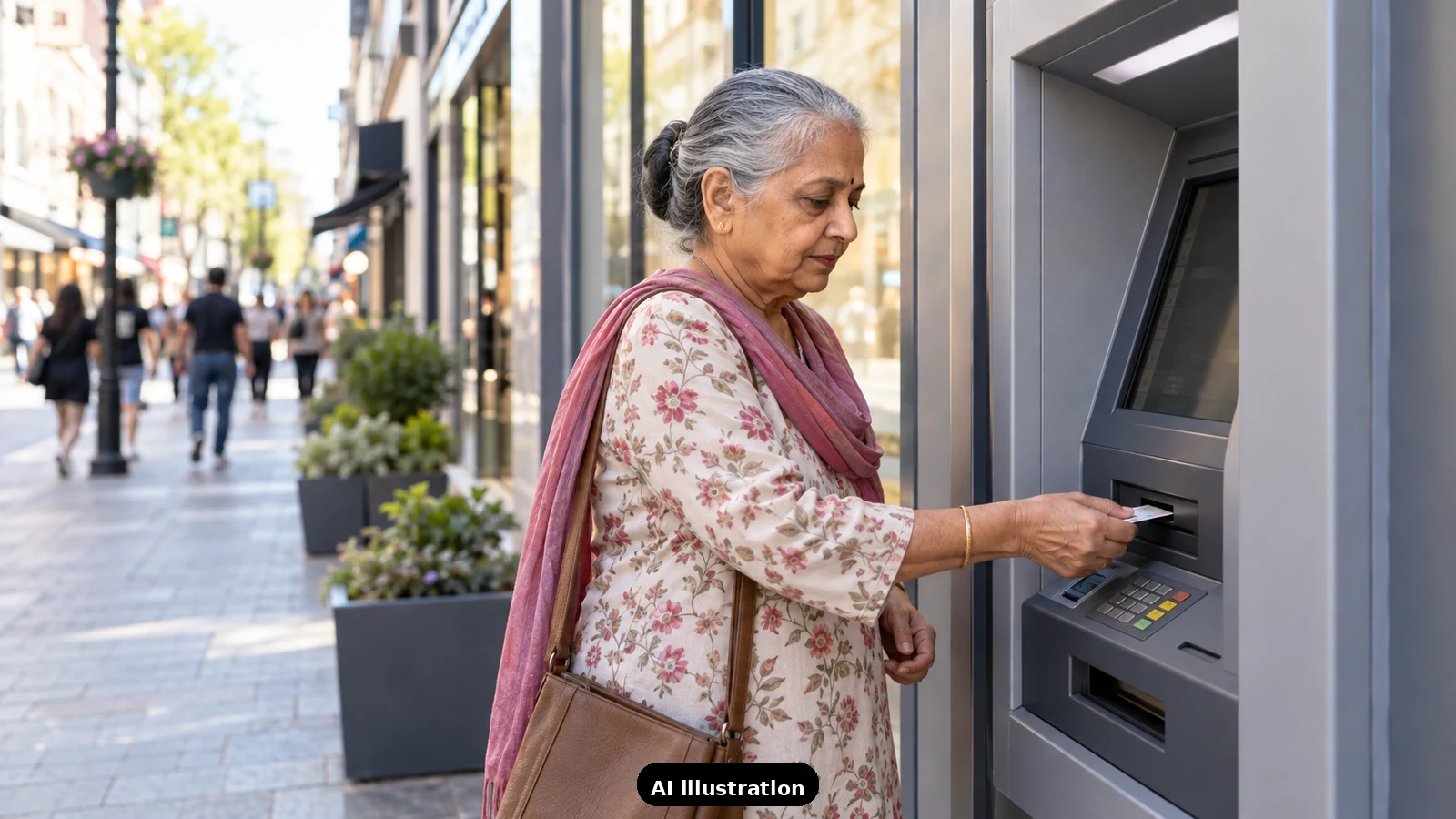
Short answer: probably not. Most RuPay debit cards issued in India work only within India. Abroad, an ATM will simply decline the card - no helpful message, no explanation, just a failed transaction at the worst possible moment. The exception exists, and it is printed on the card itself: a RuPay card works overseas only if it also carries a JCB or a Discover/Diners Club mark, and only if your bank has enabled international usage on it.
Why most RuPay cards stop at the border. RuPay is India's own card network, built by NPCI for domestic payments. Its international reach comes through partnerships, not from the base card: NPCI has partnered with Discover Financial Services in the US and with JCB in Japan so that specially issued versions - RuPay Global cards on the Discover/Diners Club network, and RuPay-JCB co-badged cards - can be used abroad. A plain RuPay debit card, the kind that comes with most savings accounts and nearly all basic accounts, has no such arrangement behind it. It is domestic by design.
The 10-second check before anyone flies. Take the card out and look at both sides. If you see a JCB logo, or a Discover or Diners Club logo alongside the RuPay one, the card can work at foreign ATMs displaying that same mark - JCB's own guidance for RuPay/JCB cardholders says exactly this: use ATMs that display the same mark as the one on your card. If the card shows only the RuPay logo and nothing else, it will not withdraw cash abroad, whatever the ATM or the balance.
Even a global RuPay card needs one switch flipped. Indian banks keep international usage turned off by default on many cards, and some offer it only if you have opted in. Before the trip, open the bank's app and look for card controls - "international usage" or "international transactions" - and switch it on, or call the bank and confirm it. Do this a few days before departure, not at the airport. While you are at it, confirm the daily international withdrawal limit and save the bank's international helpline number offline.
What it costs when it does work. Three charges can stack up on one withdrawal: your bank's own fee per international ATM transaction, a currency-conversion markup - typically around 3 to 3.5% with most Indian banks - and sometimes a fee from the foreign ATM operator itself. Exact numbers vary by bank, so check your bank's schedule of charges before relying on the card. Fewer, larger withdrawals usually cost less than many small ones. And at the ATM, always choose to be charged in the local currency, never in rupees - the rupee option hides a poor exchange rate.
The practical verdict for parents travelling abroad. Do not let RuPay be the only card in the wallet. Even with the right logos, acceptance abroad is patchier than Visa or Mastercard, and a decline at midnight in a foreign city is a crisis a parent should never have to solve. The sensible setup: one Visa or Mastercard debit or credit card as the primary, a forex card for spending money, and the RuPay card - even a global one - as a third backup. If the family only holds RuPay cards, ask the bank about an internationally enabled card well before the travel date.
The one line to teach your parents. "Card par sirf RuPay likha hai to videsh mein ATM se paise nahi niklenge" - if the card says only RuPay, it will not give cash abroad. That single sentence, learned at home, prevents the declined-card panic overseas.
How we cover it at TripKeeper. Before parents fly, we go through every card in their wallet with them - which works where, what is switched on, what the limits are - and write the answers on their trip card alongside the bank helplines. If you want your parents travelling with that clarity, send us a trip-planning inquiry.

A Miranda House graduate and lawyer who traded courtrooms for slow travel. Cheshta travels with the batches we host ourselves, with a soft spot for travelling alongside elders.
Planning your next trip?
We'll handle insurance, hotels, airport assistance and the itinerary — the same way we do it for every trip.
Questions on this article
asked by readers, answered by us
Was this helpful?
one tap, no sign-up