




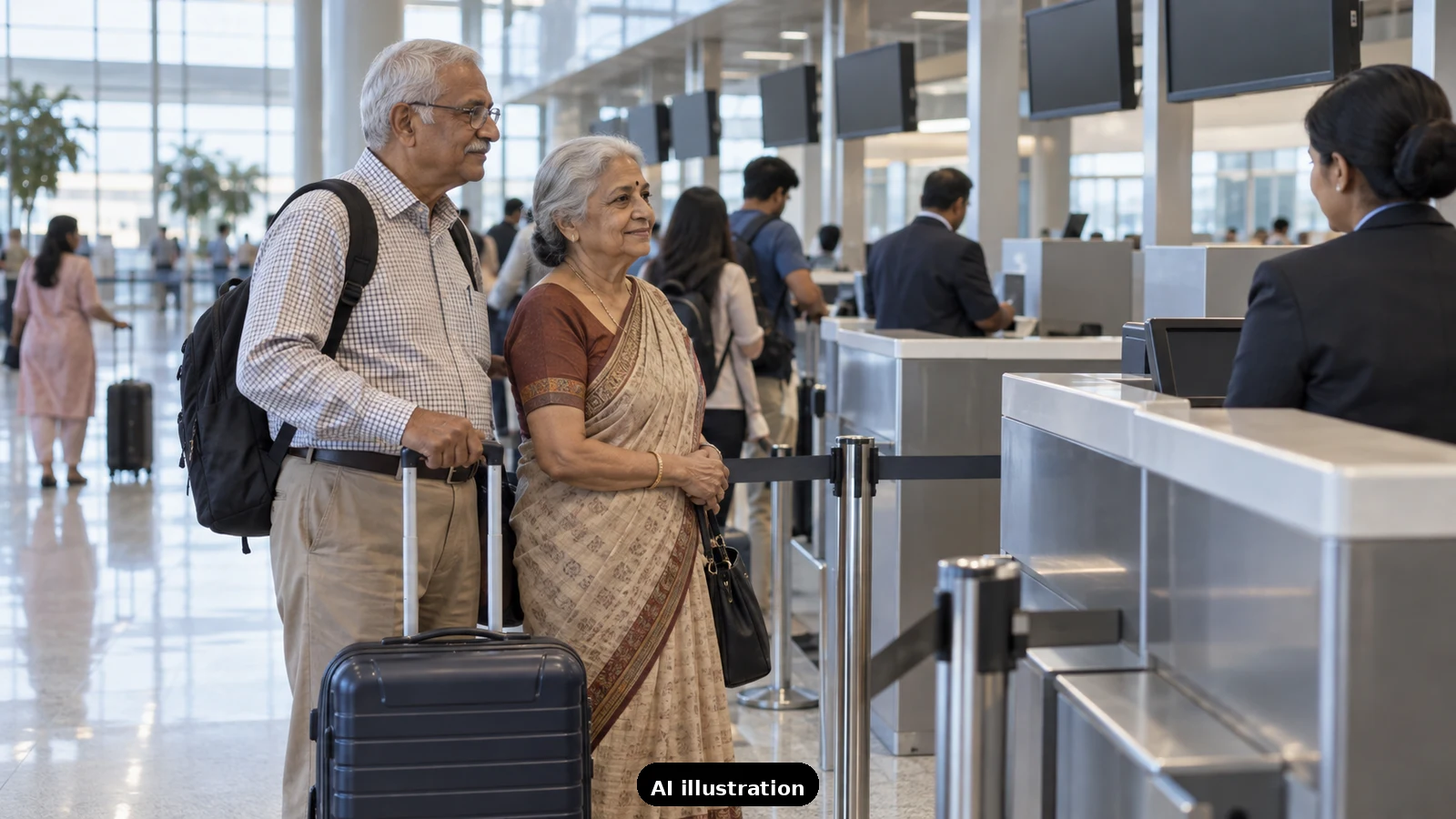
Short answer: the cabin bag, and ideally the same small bag as the passport. A spare phone is a lithium-battery device, and the FAA's PackSafe guidance is direct: devices containing lithium batteries should be carried in carry-on baggage, because flight crews are trained to respond to battery fires in the cabin. A phone may ride in checked luggage only if completely powered off and protected from switching on or being crushed - a legal option, but the wrong one for a device whose entire job is to be reachable when things go wrong.
The fire logic in one paragraph. Lithium batteries can overheat without warning. In the cabin, smoke is spotted in seconds and crew have extinguishers and training. In the hold, a smouldering phone announces itself much later, to nobody. That asymmetry is why regulators push every lithium device toward the cabin and ban loose spare batteries from checked bags entirely. Your spare phone is not loose, but the instinct of the rules is the same: batteries where people are.
The theft logic is simpler. Checked bags pass through many hands and many hours. A phone in a suitcase is the single most stolen category of travel electronics precisely because it is small, valuable and untraceable until landing. Spare phones get packed precisely for worst-case days - lost primary phone, stolen bag, broken screen. Storing the backup inside the bag most likely to disappear quietly defeats the purpose of carrying one.
If it must go in the checked bag. Sometimes the cabin bag is genuinely full. The rule, per FAA guidance: the phone must be completely powered off - not asleep, off - and protected so it cannot switch on or be damaged in transit. Wrap it in clothing, deep in the suitcase. Know that you are accepting the worse option, and that a gate-checked cabin bag follows the same discipline: if your cabin bag is taken at the aircraft door, anything with a loose lithium battery comes out first.
How to actually carry the spare. Charged to full, then powered off - a dead spare phone is dead weight. In a slim case or pouch, in the cabin bag's inner pocket, separate from keys and coins that scratch. Some families split the two phones between two people: each parent carries one, so a single lost bag never takes both. Keep the old phone's SIM situation sorted before the flight - even without a SIM it handles Wi-Fi calls and offline maps at the hotel.
Security and the scan. Phones go through the X-ray tray at security like any electronics; the spare rides in the bag without comment. No declaration needed, no special handling - it is the most ordinary object on the belt. The only discipline that matters is where it lives during the flight itself: in the cabin, with its owner.
The one line to teach your parents. "Spare phone cabin bag mein, charge karke band karke - suitcase mein kabhi nahi" - the spare phone goes in the cabin bag, charged and switched off, never in the suitcase. Two conditions, one place, no exceptions to remember.
How we cover it at TripKeeper. Our travellers' trip cards list which devices ride in the cabin - phones, power banks, chargers - so the backup plan survives even when a bag does not. If you want that packing logic built for your parents' trip, send us a trip-planning inquiry.

A Miranda House graduate and lawyer who traded courtrooms for slow travel. Cheshta travels with the batches we host ourselves, with a soft spot for travelling alongside elders.
Planning your next trip?
We'll handle insurance, hotels, airport assistance and the itinerary — the same way we do it for every trip.
Questions on this article
asked by readers, answered by us
Was this helpful?
one tap, no sign-up