




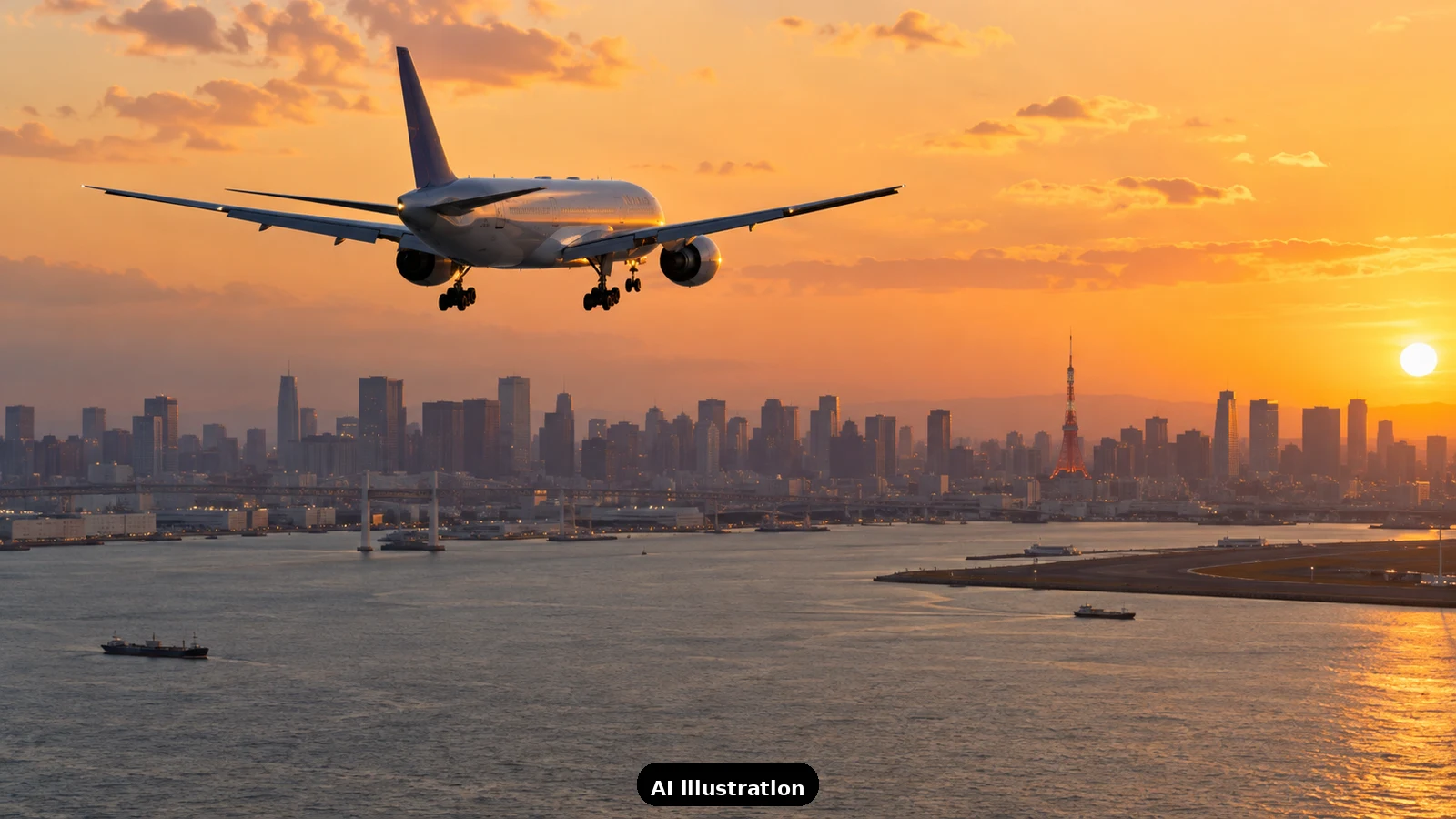
Here is the good news first: New York, Los Angeles, San Francisco and Chicago all have nonstop flights to Tokyo, so nobody in these cities is forced into a connection. The choosing is in the details - which airport pair lands you closest to your hotel, which airline style matches your budget, and when a one-stop itinerary actually beats the nonstop. Schedules shift seasonally, so treat this as a framework and confirm current timings when you book.
New York. You have two distinct airport pairs. From JFK, JAL and ANA both fly nonstop to Haneda - the airport 30 minutes from central Tokyo - and American also flies the route. From Newark, United runs nonstops to both Haneda and Narita. Expect roughly 14 hours in the air. If you live in Manhattan, JFK-Haneda is the obvious pairing; New Jersey flyers should price United's Newark options before trekking across town.
Los Angeles. LAX has the widest nonstop bench in the country: JAL, ANA, United, American, Delta and even Singapore Airlines fly direct to Tokyo, and ZIPAIR - JAL's budget subsidiary - flies a no-frills nonstop to Narita. Flight time is around 11-12 hours, the shortest from the mainland US. This is the city where comparison shopping pays off most, because fare swings between carriers on the same day can be dramatic.
San Francisco. United, JAL and ANA all fly nonstop from SFO, and ZIPAIR adds its budget nonstop to Narita. Flight time is similar to LA at around 11 hours. Bay Area travellers get a genuine budget-versus-comfort choice on the same city pair.
Chicago. ANA flies nonstop from O'Hare, and United recently added a daily nonstop between O'Hare and Narita, restoring a second option on the route. Flight time is roughly 13 hours. If schedules do not line up, one-stops via the West Coast or Dallas are well-served, but in winter watch connection times - a tight transfer through a snowy hub is how Japan trips start with a missed day.
Haneda versus Narita. This is the decision inside the decision. Haneda sits inside Tokyo: monorail or Keikyu line puts you at Shinjuku or Shibuya in about 30-45 minutes. Narita is out in Chiba, 60-90 minutes from central Tokyo by Narita Express or Skyliner. Narita flights are often cheaper, and it is where the budget carriers land - but add the extra transfer time and cost before celebrating a lower fare.
Full-service versus ZIPAIR. ZIPAIR's bare fares can undercut everyone, sometimes dramatically - but bags, meals and seat selection cost extra, so price the total, not the headline. On a 11-14 hour flight, the full-service carriers' included meals, bags and entertainment are worth real money to most travellers.
When a one-stop makes sense. If the nonstop premium is large, a single connection through Seattle, Dallas, Vancouver or Taipei can save hundreds. Keep the layover between about two and four hours, avoid changing airports mid-itinerary, and prefer one ticket over self-connecting two separate bookings.
Booking timing. Japan fares climb steeply for cherry blossom season (late March into April) and autumn foliage (November). Two to four months out is a good default booking window; shoulder months like May, June and late January tend to price kinder.
How TripKeeper helps. Flights set the shape of the whole trip - arrival airport, first-night hotel, luggage forwarding. When you send a "Plan your trip" inquiry with your dates, the team builds the itinerary around your actual arrival pair and time, and airport assistance on landing means someone is there for the first transfer, whichever Tokyo airport you pick.

A Miranda House graduate and lawyer who traded courtrooms for slow travel. Cheshta travels with the batches we host ourselves, with a soft spot for travelling alongside elders.
Planning your next trip?
We'll handle insurance, hotels, airport assistance and the itinerary — the same way we do it for every trip.
Questions on this article
asked by readers, answered by us
Was this helpful?
one tap, no sign-up