


In this article
jump straight to what you need
If you've flown out of India before, you know the drill: hand over your boarding pass at immigration, watch the officer stamp it, get it back. That stamp is gone now — and almost nobody's explained what to do if you actually needed it.
From 1 September 2026, India's Bureau of Immigration stopped stamping boarding passes at departure counters for international flights. It sounds minor. For most people, it is. But if you were one of the people who quietly relied on that stamp for something else, this is worth five minutes of your attention.
What actually changed
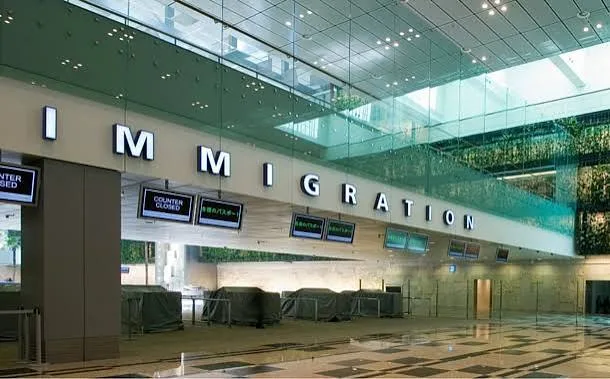
Immigration officers at all of India's international airports no longer stamp boarding passes during departure clearance. You can now show a digital boarding pass on your phone, or a printed one — both are accepted, but neither gets stamped anymore.
This applies nationwide, at every international airport, not a pilot city or two.
What did NOT change
This is the part that gets lost in the headlines: your passport still gets its usual immigration stamp on exit. That hasn't changed. What's gone is the additional, separate stamp on the boarding pass itself.
Visa requirements, e-Visa rules, and the e-Arrival Card for arriving passengers are all unaffected. This is purely about the departure boarding-pass step.
The detail almost nobody's flagging
If you've ever kept a stamped boarding pass as informal proof of an international trip — for visa applications, tax residency calculations (the number of days spent outside India matters for tax status), or submitting travel proof to an employer — that option is gone.
Going forward, use your passport's immigration stamp, your e-ticket, and your airline's travel records instead. These have always been the more reliable proof anyway; the boarding pass stamp was really just a backup most people didn't think about until they needed it.
Why India made this change
Officials cited a practical reason: the boarding pass stamp was a manual step at every single counter, for every single passenger, and inconsistent or smudged stamps occasionally caused confusion. Removing it shortens the departure queue slightly and fits into a broader push toward digital, faster immigration processing — alongside things like DigiYatra and biometric e-Gates.
What you should actually do differently
Honestly — very little. But to be safe:
- Don't panic if your boarding pass comes back unstamped. That's correct, not an error.
- If you need travel proof for anything official (tax residency, visa history, employer records), rely on your passport stamp and e-ticket, not the boarding pass.
- Digital boarding passes work fine — you don't need to print one just to be safe at immigration.
- Your visa and entry requirements haven't changed — don't confuse this with any change to who needs a visa or e-Visa.
FAQs
Do I still need to carry a printed boarding pass when flying out of India? No — a digital boarding pass on your phone is accepted at immigration. Printed ones are still fine too, just without a stamp.
Does this change affect my visa requirements? No. This only affects the departure boarding-pass process, not visa, e-Visa, or entry rules.
I need proof of an international trip for tax residency purposes — what do I use now? Your passport's immigration stamp and your airline e-ticket/booking record are the reliable options going forward.
Does this apply at every airport in India, or just major ones? It applies nationwide, at all international airports.
Will my passport still get stamped when I leave India? Yes — passport stamping on exit is unaffected. Only the separate boarding-pass stamp has been removed.
Is this connected to DigiYatra? It's part of the same broader digitisation push, but it's a separate specific change to boarding-pass stamping.
Planning your next trip?
We'll handle insurance, hotels, airport assistance and the itinerary — the same way we do it for every trip.