




- The hidden issue
- Dashi (fish stock) is in most batters and broths
- Okonomiyaki
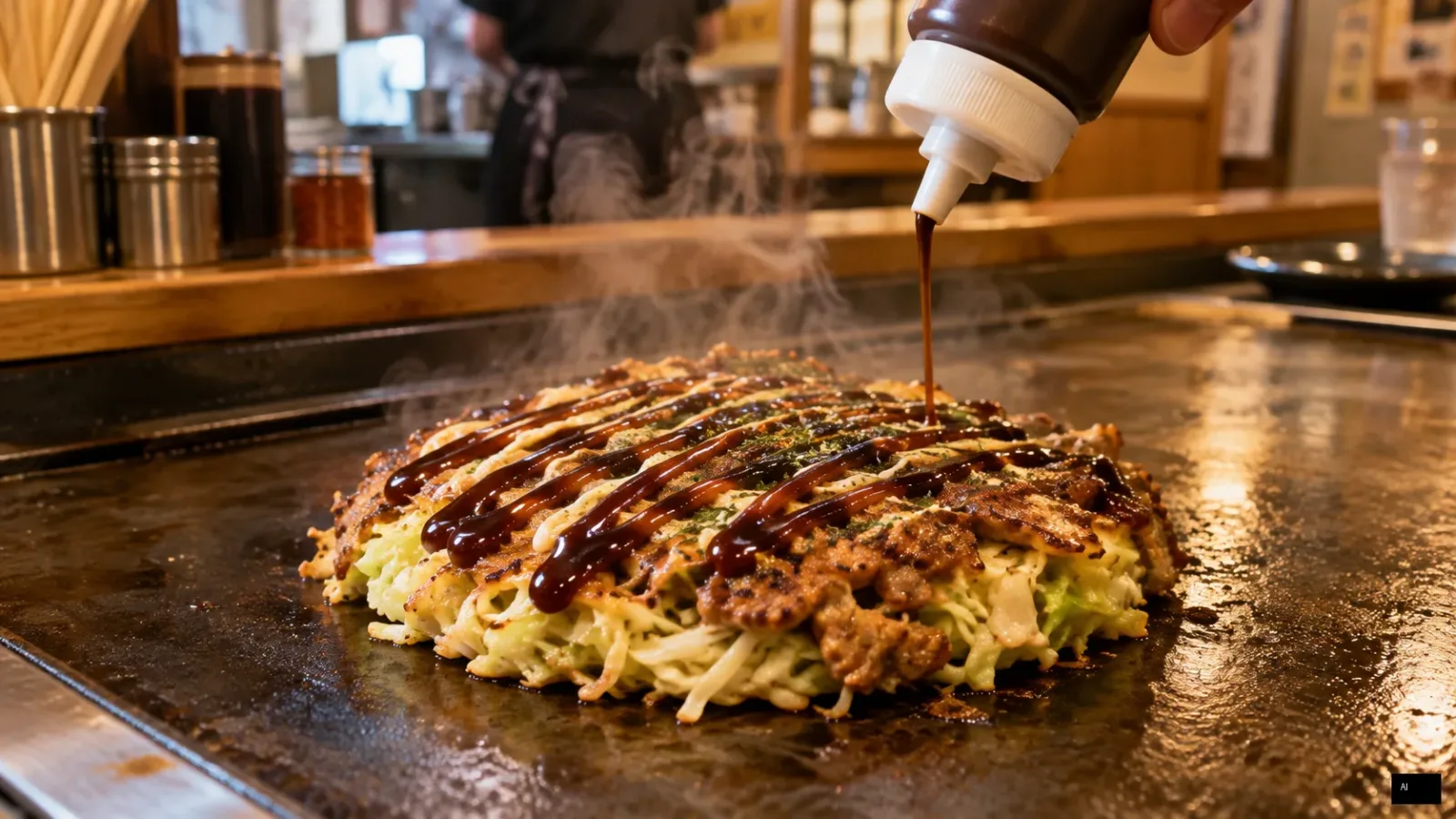
- Batter usually has dashi and egg; grills shared with pork
- Vegetarian okonomiyaki
- Okonomiyaki Chitose, ~1,200 yen, near Shinsekai
- Curry caution
- Roux often has meat extract even in vegetable curry
- Safe fallback
- Fully vegan restaurants and kombu-dashi spots
Osaka calls itself Japan's kitchen, and for most travellers that is wonderful news. For vegetarians it needs a warning label: the city's three famous foods - takoyaki, okonomiyaki and kushikatsu - all hide animal products in places a menu will not mention. Here is what is actually in them, and where you can eat Osaka's soul food safely.
What is hiding in Osaka's famous dishes
Start with dashi, the stock at the base of Japanese cooking. It is usually made with katsuobushi (shaved dried bonito), and it turns up in miso soup, noodle broths, dipping sauces and, critically for Osaka, most savoury batters. Takoyaki contains octopus by definition, plus dashi in the batter. Okonomiyaki batter usually carries dashi and egg, and the cabbage pancake is often fried on a griddle shared with pork. Kushikatsu batter often contains egg, everything shares one fryer, and the dipping sauce pot is communal. Even Japanese curry is a trap: the standard roux contains meat extracts or animal fat, so a "vegetable curry" is rarely vegetarian. Ramen broths are pork, chicken or fish unless a shop makes a vegan version on purpose.
So where can you eat vegetarian okonomiyaki?
Osaka's tourism authority points to Okonomiyaki Chitose in Taishi, a few minutes from Dobutsuen-mae station just south of Shinsekai: a tiny counter shop with an English menu, often a queue, and a vegetarian okonomiyaki - now made with soy meat - for around 1,200 yen. It closes Tuesdays and Wednesdays. If you are strictly vegan, ask on the day whether the batter is made without dashi and egg, because "vegetarian" here can still include egg. For everything else, the fully vegan restaurants in the same official guide are the safe answer when shared fryers and griddles matter to you; vegan ramen, specifically made, is now easy to find in the city.
What to say at the counter
"Bejitarian desu" (I am vegetarian) is understood, but the follow-ups matter more: "niku to sakana wa dame desu" (no meat or fish), and "dashi wa?" (what about the stock?). Many kitchens hear vegetarian and still serve a bonito broth, because dashi is treated as seasoning, not fish. A kombu-only dashi exists and is fully vegan, but most kitchens do not keep it - you have to ask, and accept a no gracefully. Convenience stores are a genuine backup: onigiri with pickled plum or kombu, edamame, and inari sushi (check for dashi) keep a day moving.
Plan it into the trip
Base near Namba and most of this is walkable: Chitose is one metro stop south of Shinsekai, and Dotonbori's street food is a look-but-choose-carefully zone. Budget-wise, vegetarian eating in Osaka costs the same as any other eating there - our Osaka couple budget guide has meal prices by tier. Flying in, the KIX to Namba guide gets you to the food districts; and if your trip includes the capital, the Tokyo vegetarian guide covers the same ground there.

A Miranda House graduate and lawyer who traded courtrooms for slow travel. Cheshta travels with the batches we host ourselves, with a soft spot for travelling alongside elders.
Planning your next trip?
We'll handle insurance, hotels, airport assistance and the itinerary — the same way we do it for every trip.
Questions on this article
asked by readers, answered by us
Was this helpful?
one tap, no sign-up