




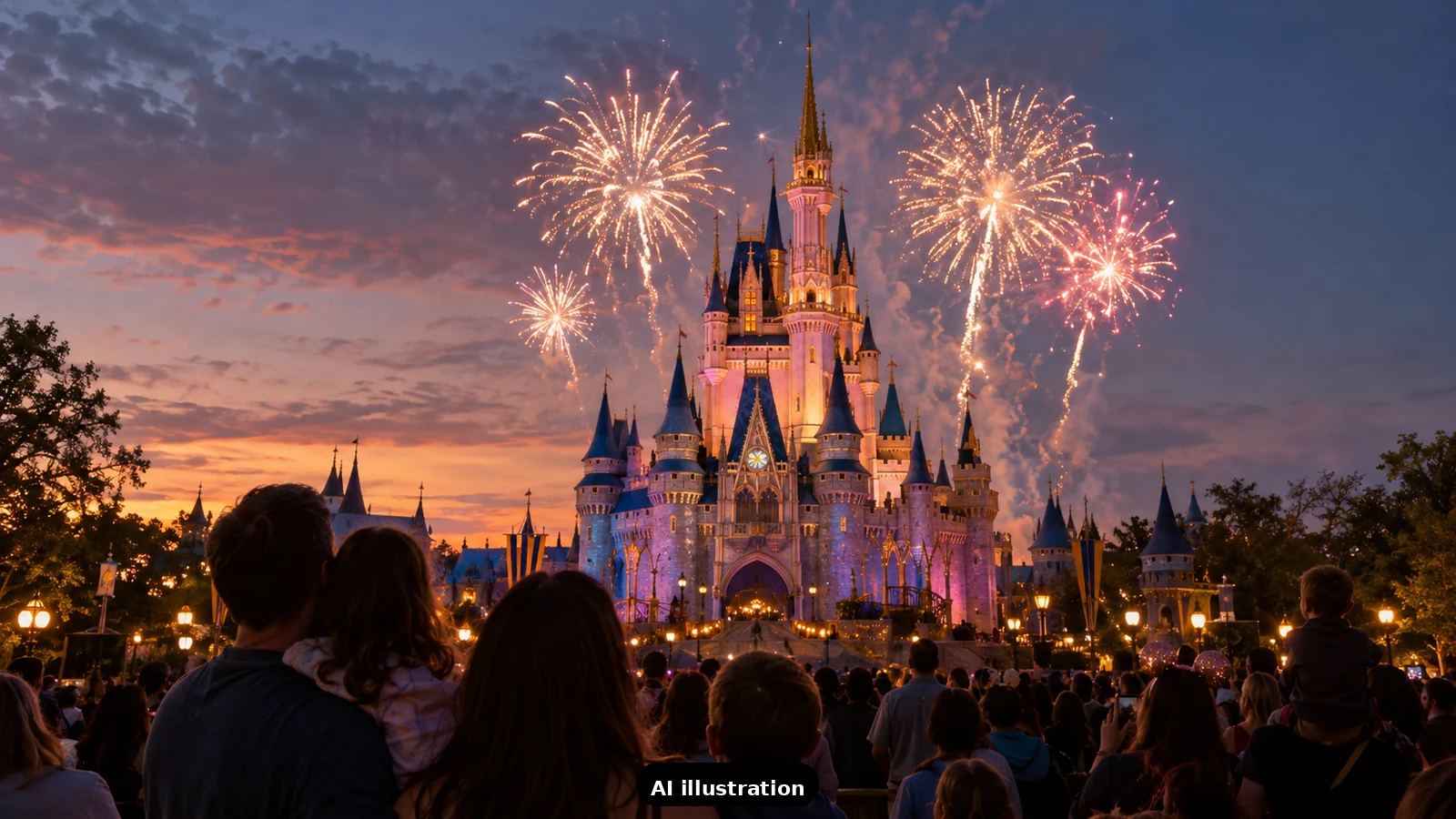
If your family's Japan itinerary has room for one theme park day, you are choosing between two genuinely excellent - and genuinely different - experiences. Tokyo Disney Resort (two parks: Disneyland and the only-in-Japan DisneySea) sits 15 minutes from Tokyo Station. Universal Studios Japan sits in Osaka, home to Super Nintendo World. Here is how to call it for your crew.
The quick verdict by age. Under about six, Tokyo Disneyland wins easily: gentle rides, character meals, stroller-friendly everything, and a pace that survives nap schedules. Ages six to twelve is the toss-up zone - DisneySea skews slightly older with bigger thrills and stunning theming, while USJ's Super Nintendo World is a religious experience for Mario kids. Teens generally vote USJ for the big coasters, unless they are Disney devotees, in which case DisneySea is the world's best Disney park and they will know it.
Tickets and what they cost. Both resorts use date-based pricing. Tokyo Disney 1-day passports run roughly ¥7,900-10,900 for adults depending on date, with the busiest days higher; USJ's Studio Pass lands in a similar band. Both sell about two months out - Tokyo Disney releases daily at 2pm Japan time for the date two months ahead, and popular dates genuinely sell through. Buy the moment your dates are firm.
Skip-the-line: similar names, different systems than home. Forget what you know about Genie+ and Universal Express in the States. Tokyo Disney sells Disney Premier Access - paid per ride, per person, bought in the app on the day (¥1,500-2,500 per attraction for the headliners). USJ sells Express Passes in advance as bundles that include timed entry to Super Nintendo World - important, because the Nintendo area caps entry and you otherwise need to grab a free timed-entry ticket in the app on arrival, which can run out. If Nintendo is the point, an Express Pass with guaranteed area entry is the stress-free path.
Queues and crowd reality. Japanese park-goers are world-champion line-waiters; headline rides at both resorts post 60-120 minute waits on normal days. The cultural flip side: lines are orderly, families picnic while waiting for parades (spot-saving with mats is an accepted art form), and cast politeness is extraordinary at both. Weekdays outside Japanese school holidays are the sweet spot - check Japan's public holiday calendar, not America's, when picking a date.
Getting there. Tokyo Disney: JR Keiyo Line from Tokyo Station to Maihama, about 15 minutes - an easy half-hour door-to-gate from most Tokyo hotels. USJ: JR Yumesaki Line to Universal City, about 20 minutes from central Osaka; from Tokyo it is a Shinkansen to Osaka first, so USJ pairs naturally with the Kyoto-Osaka leg of a trip, not a Tokyo day trip.
Food and language. Both parks operate heavily in Japanese but are navigable in English - apps, maps and key signage are bilingual, and ride plots are visual. Food is a highlight at both: DisneySea's themed restaurants, USJ's Nintendo cafe, and popcorn buckets that are practically a collecting hobby.
The both-parks answer. Ten days or more? Do both: a Disney day (DisneySea if only one) while based in Tokyo, and USJ during the Osaka leg. It splits the cost across the trip and each park anchors its region's itinerary.
How TripKeeper families plan it. When you send a "Plan your trip" inquiry with your kids' ages, the team parks the park decision inside the whole itinerary: tickets bought the day they release (we track the 2pm JST drops), Express Pass bundles for Nintendo families, and hotels near the right train line so the morning is painless. Park days are the highest-stakes days of a family trip; we treat them that way.

A Miranda House graduate and lawyer who traded courtrooms for slow travel. Cheshta travels with the batches we host ourselves, with a soft spot for travelling alongside elders.
Planning your next trip?
We'll handle insurance, hotels, airport assistance and the itinerary — the same way we do it for every trip.
Questions on this article
asked by readers, answered by us
Was this helpful?
one tap, no sign-up