




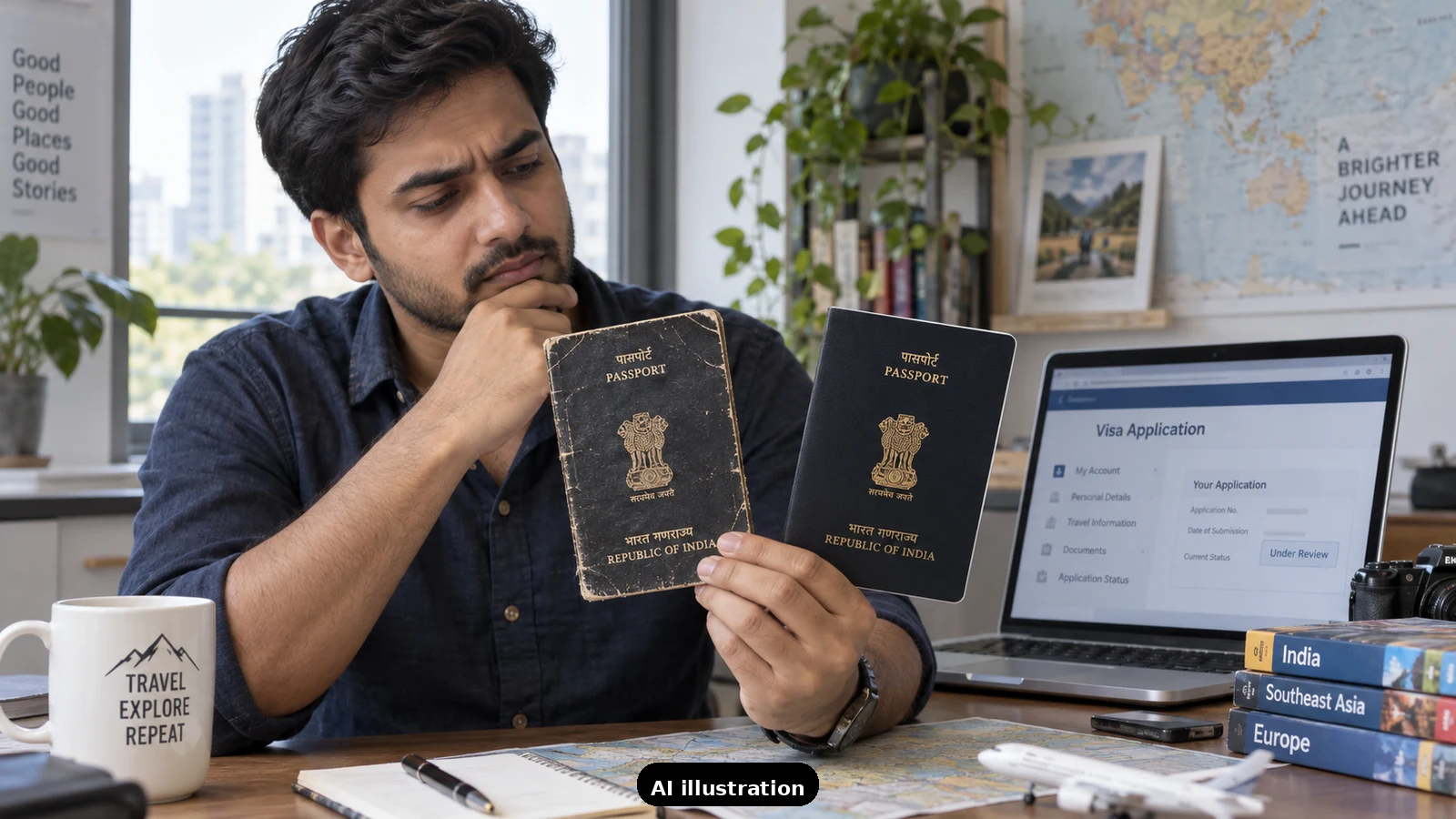
Short answer: the visa does not automatically follow you to the new passport - but in most cases it can be saved. An eVisa is not a floating permission; it is issued against one specific passport number. Renew the passport and that link breaks, so the question becomes what your destination lets you do about it: relink it online, carry both passports, or apply again. The answer is different per country, and checking it takes minutes.
Bucket one: update the visa account - UK and Australia. Some countries expect exactly this situation and give you a self-service fix. Australia says it plainly: tell the department when you get a new passport so it can be linked to your existing visa - the quickest way is updating your ImmiAccount. The UK works the same way with eVisas: keep your UKVI account's passport details current, and check the eVisa shows correct details before travel. In these systems, the visa survives; only the record needs updating.
Bucket two: carry both passports - sticker visas like the US. For visas physically placed in the old passport, the standard rule is that the visa stays valid inside the expired or replaced passport. The US State Department says it directly: travel with both passports, the valid new one and the old one holding the visa - the officer at entry annotates the admission with "VIOPP" (visa in other passport). One warning they add: never try to peel the visa out of the old passport; that destroys it.
Bucket three: apply again - strict eVisas like Vietnam. Some eVisas are issued against the submitted passport details with no amendment route at all. Vietnam's e-visa is the classic case: the visa reflects the passport number you applied with, and if that passport is replaced, the approved e-visa no longer matches your travel document - the fix is a fresh e-visa application against the new passport. The fee is small; the boarding-desk argument it saves you is not.
How to find your country's rule in ten minutes. Go to the official visa portal or immigration site of the destination - not an agent's blog - and search for "new passport" or "change of passport details." The rule is always stated because this happens constantly: passports expire, fill up, get damaged. If the portal offers an update path, use it and keep the confirmation; if it is silent, email the embassy and keep the reply in writing.
Timing: relink before you rebuy. Do the passport-visa reconciliation before booking or rebooking flights around the new passport. Airlines check that your travel document matches your visa at check-in, and a mismatch discovered at the counter costs a holiday, not a form fee. If the trip is close and the relink path is unclear, the safe move is carrying both passports plus written confirmation from the embassy or portal.
And never throw the old passport away. Whatever the country, the cancelled old passport with its visa pages and stamps remains evidence - of the visa, of your travel history, of the identity trail between the two documents. Keep it with the new one for every trip until every visa inside it has expired.
How TripKeeper handles this. When a traveller's passport changes mid-plan, we reconcile every booked visa against the new document - account updates, embassy confirmations, fresh applications where needed - before any flight is touched. Send us a trip-planning inquiry and we will untangle it for you.

A Miranda House graduate and lawyer who traded courtrooms for slow travel. Cheshta travels with the batches we host ourselves, with a soft spot for travelling alongside elders.
Planning your next trip?
We'll handle insurance, hotels, airport assistance and the itinerary — the same way we do it for every trip.
Questions on this article
asked by readers, answered by us
Was this helpful?
one tap, no sign-up