




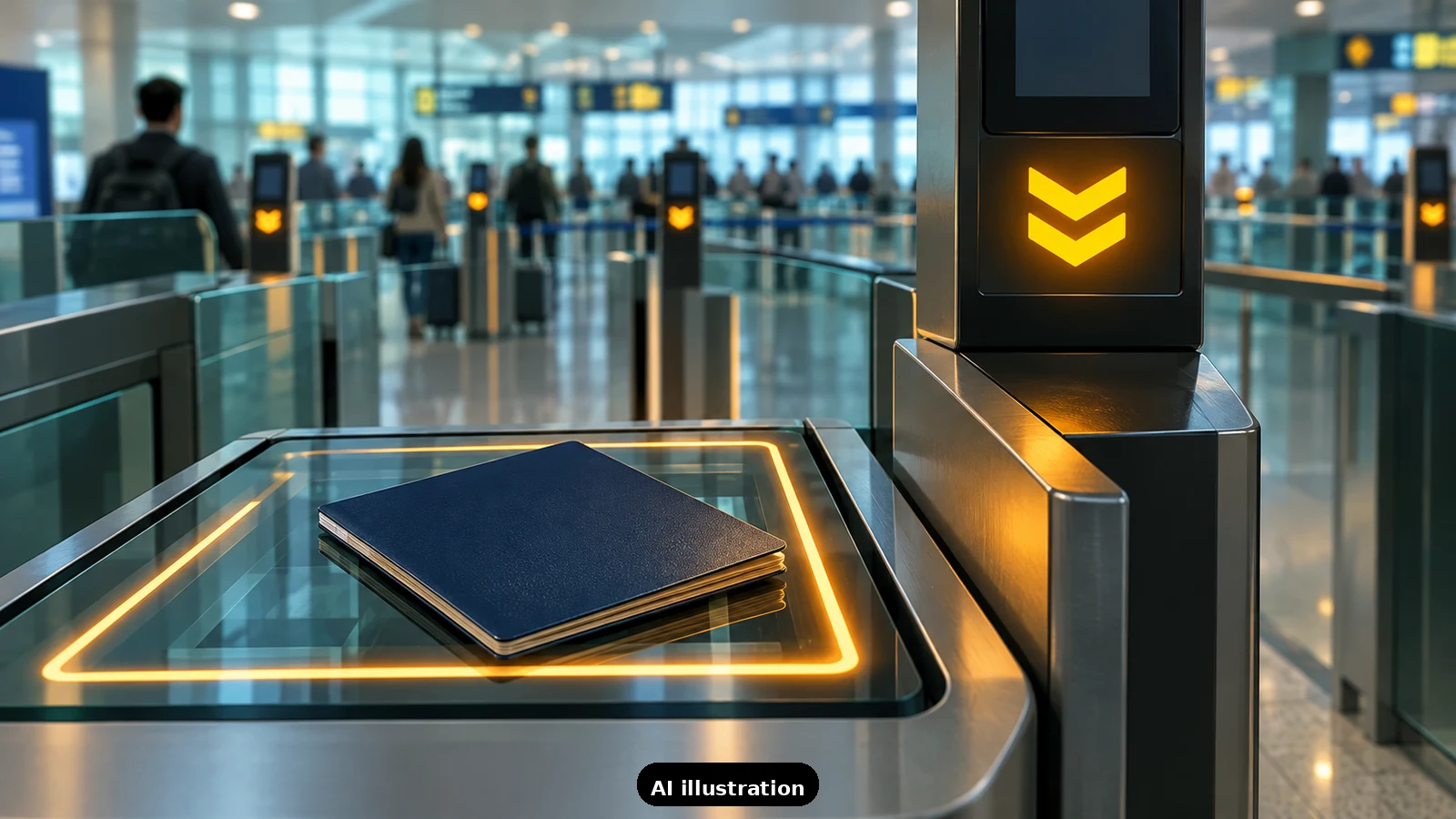
Short answer: if the e-gate will not read your Indian passport, step out of the lane and try a different machine - the official FTI-TTP guidance itself says exactly this. If two or three gates reject the scan, walk to the Bureau of Immigration officer stationed at the e-gate area, or simply join the manual immigration counter queue. Your fast-track registration (if you have one) does not block manual clearance, and a machine that will not read your chip says nothing about your passport's validity or your right to travel.
Why the scan fails - usually boring reasons. The e-gate reads the chip embedded in the passport's back cover through the photo page. Anything that interferes breaks the read: a tight plastic passport cover you forgot to remove, the photo page not lying flat on the glass, a worn or bent cover, or a chip damaged by years of being sat on. Sometimes it is the machine - a scanner that has read thousands of passports that morning. Placement matters more than people think: photo page down, flat, aligned to the marked corner, and hold still for the full two or three seconds.
The retry sequence that works. One: remove every cover - plastic, leather, all of it. Two: open to the photo page and place it flat on the scanner glass, aligned to the corner marks, and hold it steady without pressing hard. Three: if the machine still refuses after two attempts, do not keep thumping the same gate - move to a different e-gate; scanner sensitivity varies machine to machine. Four: if a second gate also fails, that is your signal to stop retrying and take the officer route.
The officer route is the normal one, not a punishment. Bureau of Immigration officers are posted at the e-gate area for exactly this. They will look at the passport, try their own reader, and clear you manually - the same process as the regular counter, usually faster because you are already at the front of the hall. If you are an FTI-TTP member, the official guidance confirms you can always fall back to the manual counter. One heads-up for stamp-collectors: e-gates do not give immigration stamps, and a manual clearance does - if you need the stamp for a visa record or reimbursement, the manual route actually helps.
After the trip: fix the underlying cause. If officers also struggle to read the chip, the chip is likely damaged - and a dead chip will slow you down at every future e-gate abroad too. Indian passports with damaged chips are replaceable through the normal Passport Seva reissue process; do not wait for a foreign immigration officer to be the one who tells you. And if you fly internationally often and are eligible (Indian nationals and OCI cardholders, non-ECR passports), registering for the free FTI-TTP at ftittp.mha.gov.in gives you the fast-track gates at major Indian airports - registration takes up to a month, so do it well before a trip.
How TripKeeper travellers handle immigration day. Before an international trip we run a document check with the family - passport validity, covers removed at the gate, and a reminder that a stubborn e-gate just means trying another lane or the officer, never a reason to panic. If you would like that kind of preparation for your family, send us a trip-planning inquiry.

A Miranda House graduate and lawyer who traded courtrooms for slow travel. Cheshta travels with the batches we host ourselves, with a soft spot for travelling alongside elders.
Planning your next trip?
We'll handle insurance, hotels, airport assistance and the itinerary — the same way we do it for every trip.
Questions on this article
asked by readers, answered by us
Was this helpful?
one tap, no sign-up