the trips where Cheshta travels with you
Our own exclusive group trips. Cheshta is on the trip, from the first flight to the last dinner.

fixed dates, fixed flights
Join a batch of fellow travellers on set dates. Limited seats, flights included, with options. Our team doesn't travel on these.

just your family, nobody else
Trips planned around your family, your pace and your dates. Milestone birthdays and anniversaries.
Practical writing about travelling with elderly parents — visas, knees, food, insurance, and what actually goes wrong. No listicles.
332 articles
Category: Trip PlanningClear filter ×

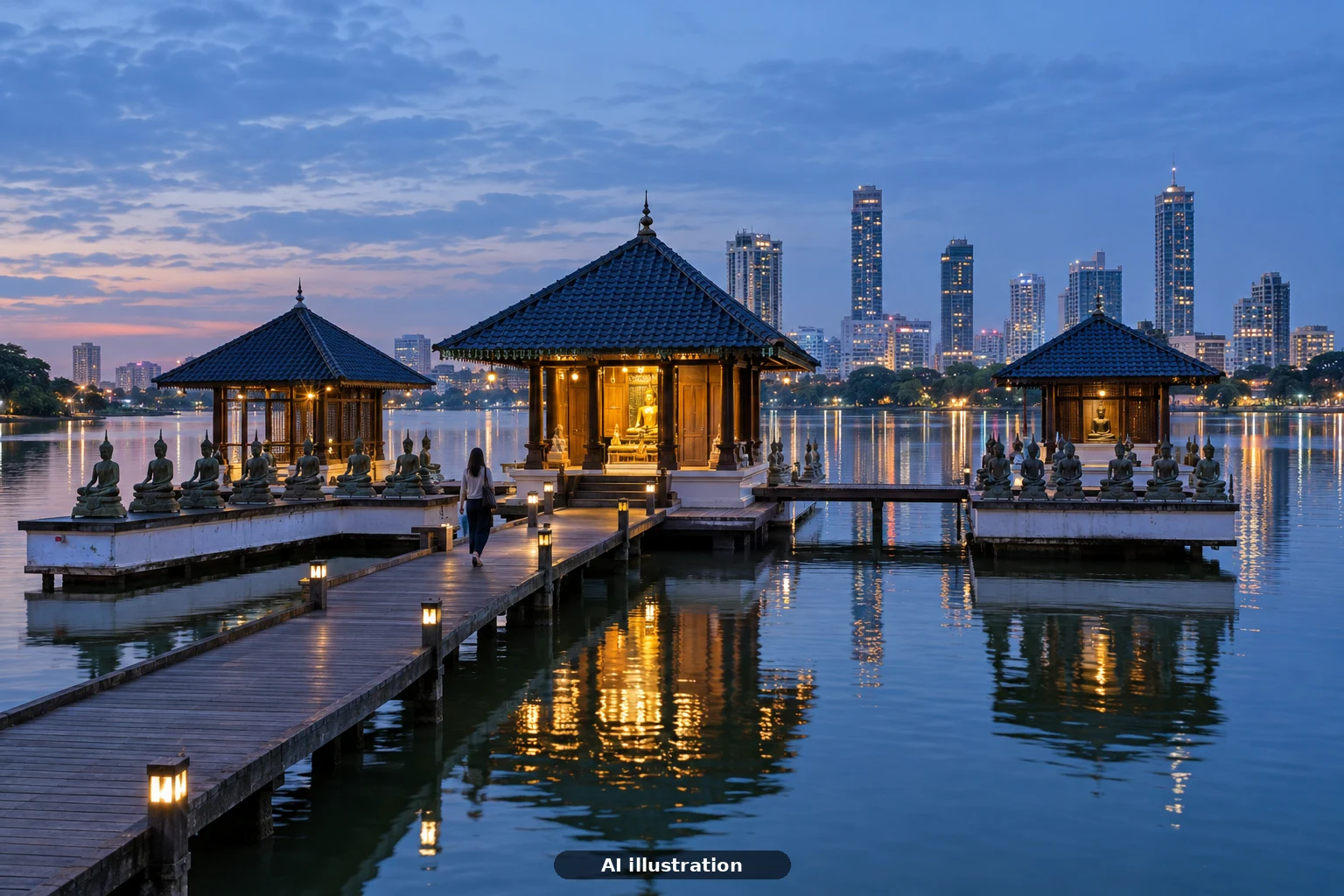
Gangaramaya Temple and Galle Face Green are Colombo's natural pair - a working Buddhist temple with an eccentric museum, and the city's beloved seafront promenade, a 10-minute tuk-tuk apart. The ticket is Rs 400 and the promenade is free, but the dress code, the photo rule and the day's rhythm need planning. Here is the sequence that works.

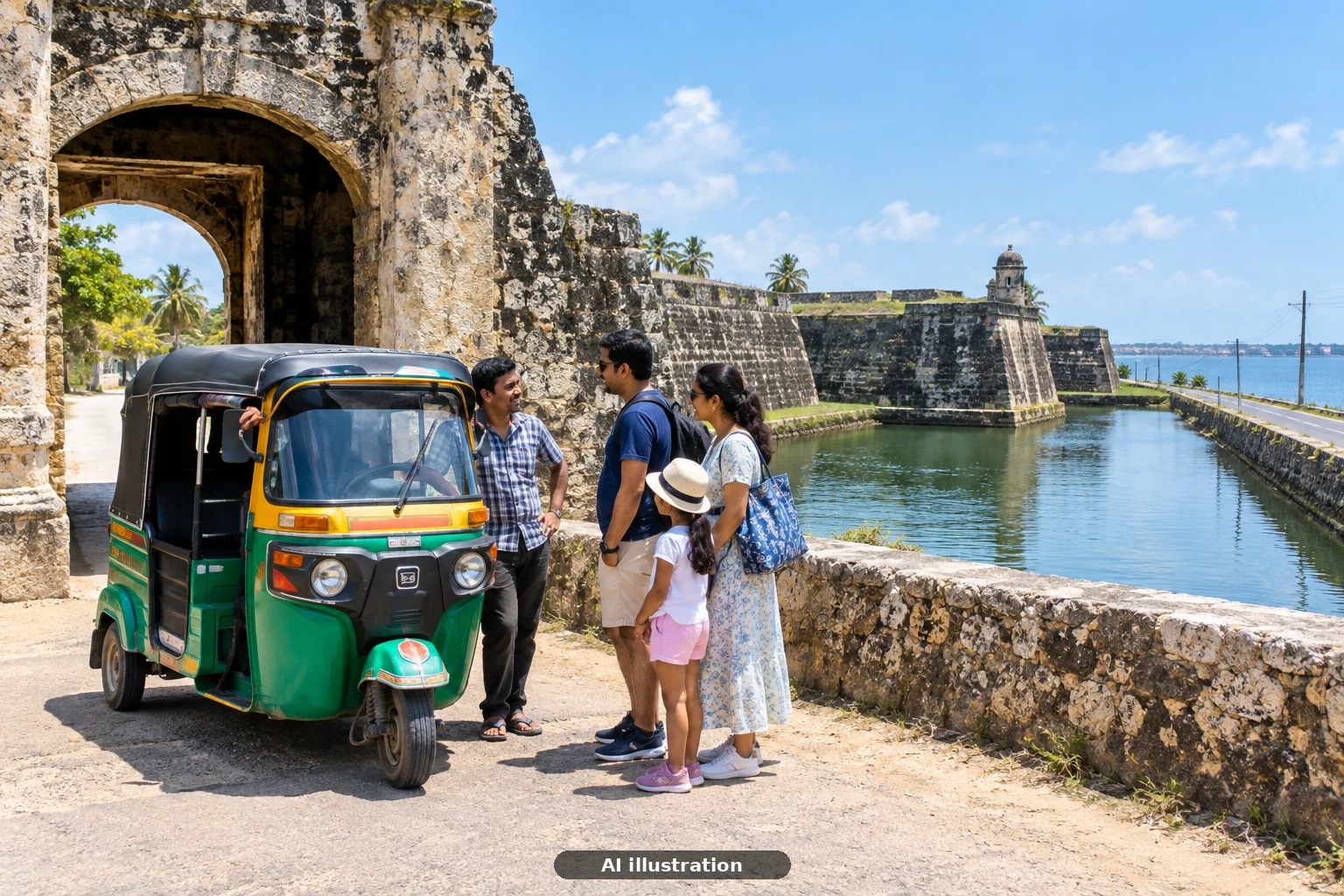
Jaffna's two essential sights are only about 3 km apart, but they run on completely different rules: the temple keeps strict session hours, a dress code and a no-photography rule, while the fort is open ground best saved for the golden hour. Here is the sequence that respects both - verified against the temple's own schedule.

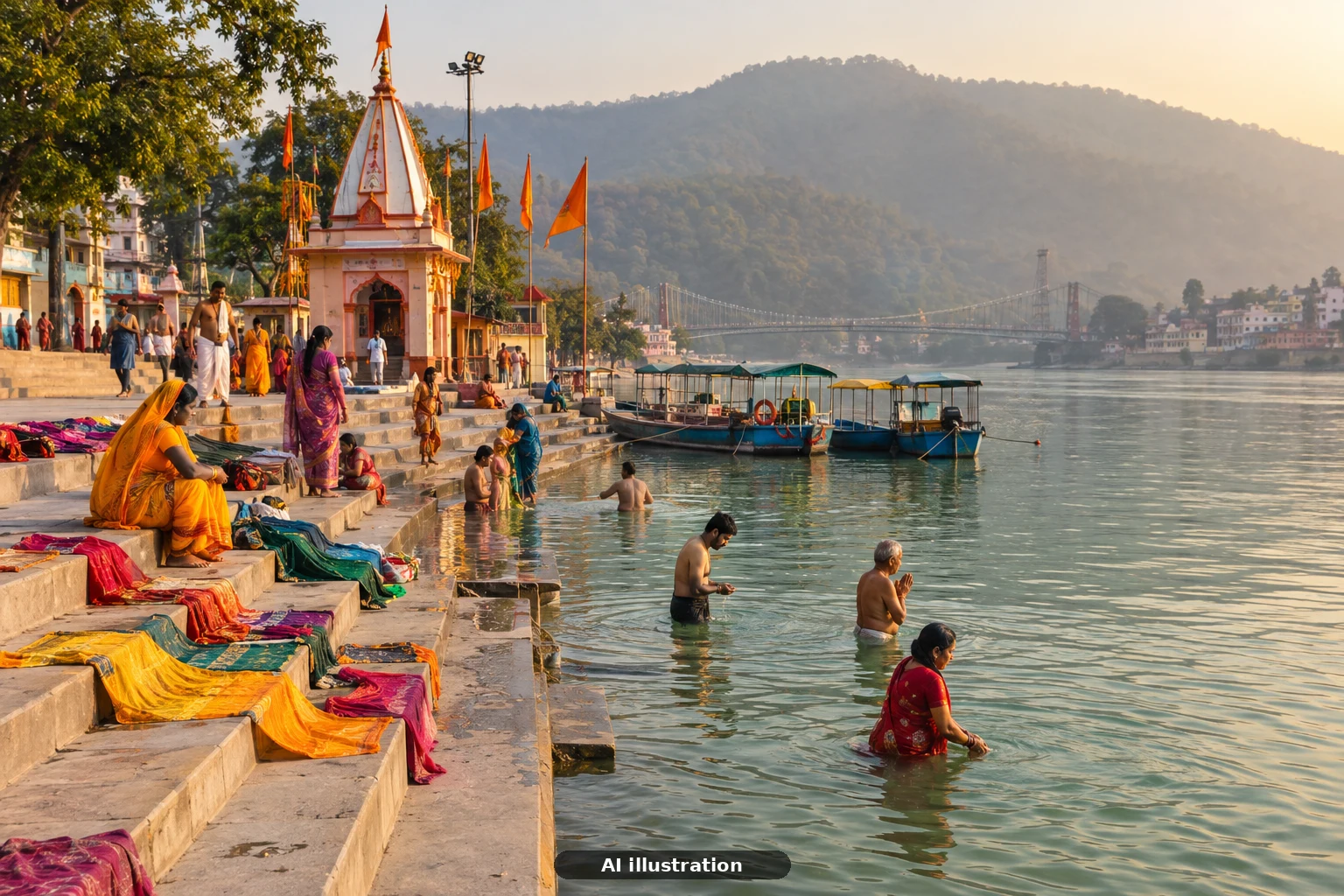
Triveni Ghat and the Ram Jhula area are Rishikesh's two essential riverfront experiences, about 2 km apart but with completely different rhythms. Neither charges an entry ticket - yet timing, transport between them and the evening aarti crowds decide whether the day flows or frustrates. Here is how to sequence them.

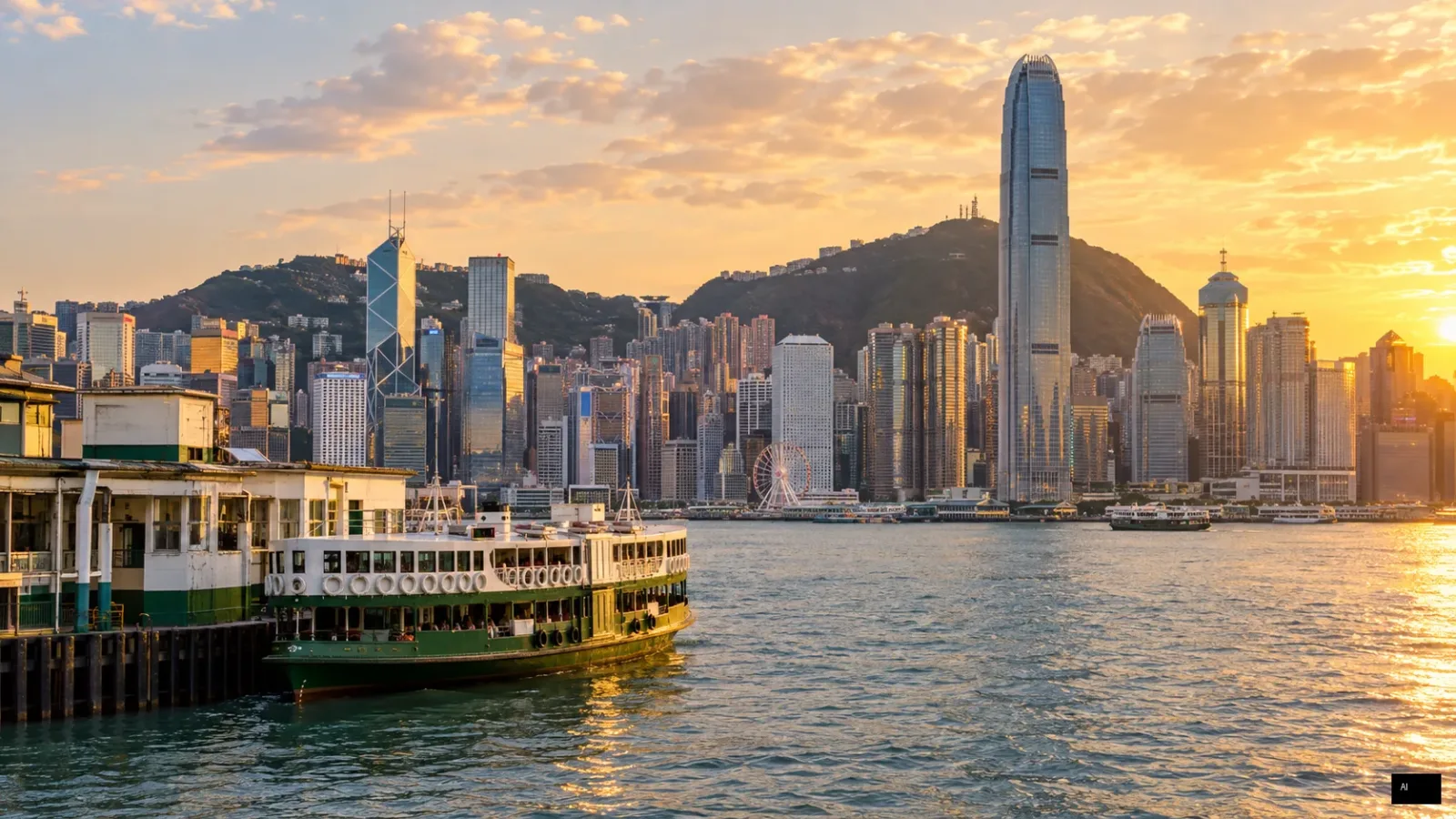
The Peak and the Star Ferry look adjacent on the map but the tram terminus is a 15-minute uphill walk from the ferry pier. The right order, the real fares (Peak Tram return HK$182, ferry HK$4-6.5), and the timing that beats both queues.

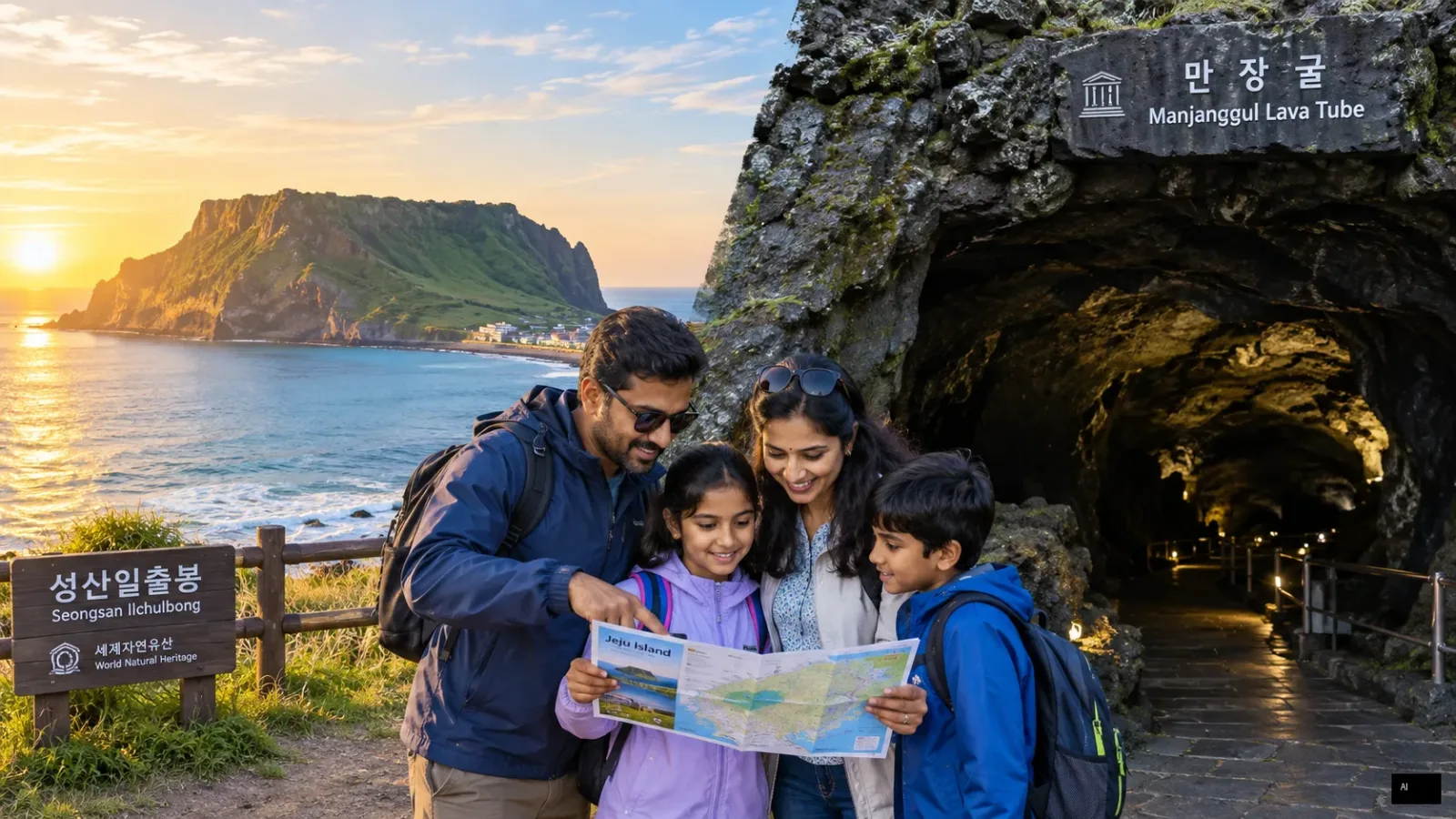
Jeju's two UNESCO east-coast sites pair into one day - but they close on different weekdays, open on different clocks, and hide a few gate surprises. The closure calendar, the order, the tickets and the fixes.

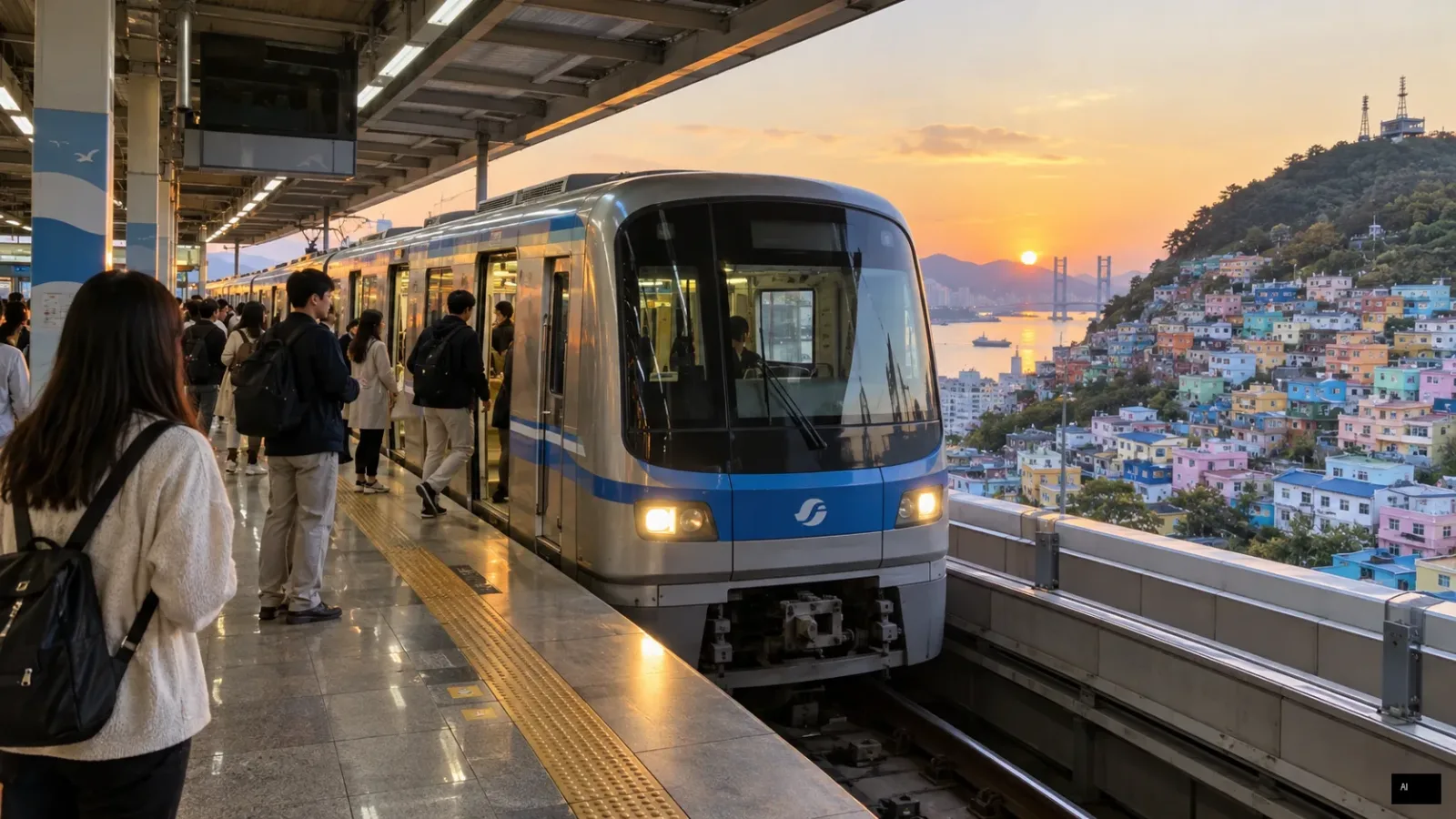
Busan's two most photogenic free sights sit at opposite ends of the city, and each has a hard time rule - the temple opens at 04:30, the village alleys close to visitors at 18:00. The day order that makes both work.

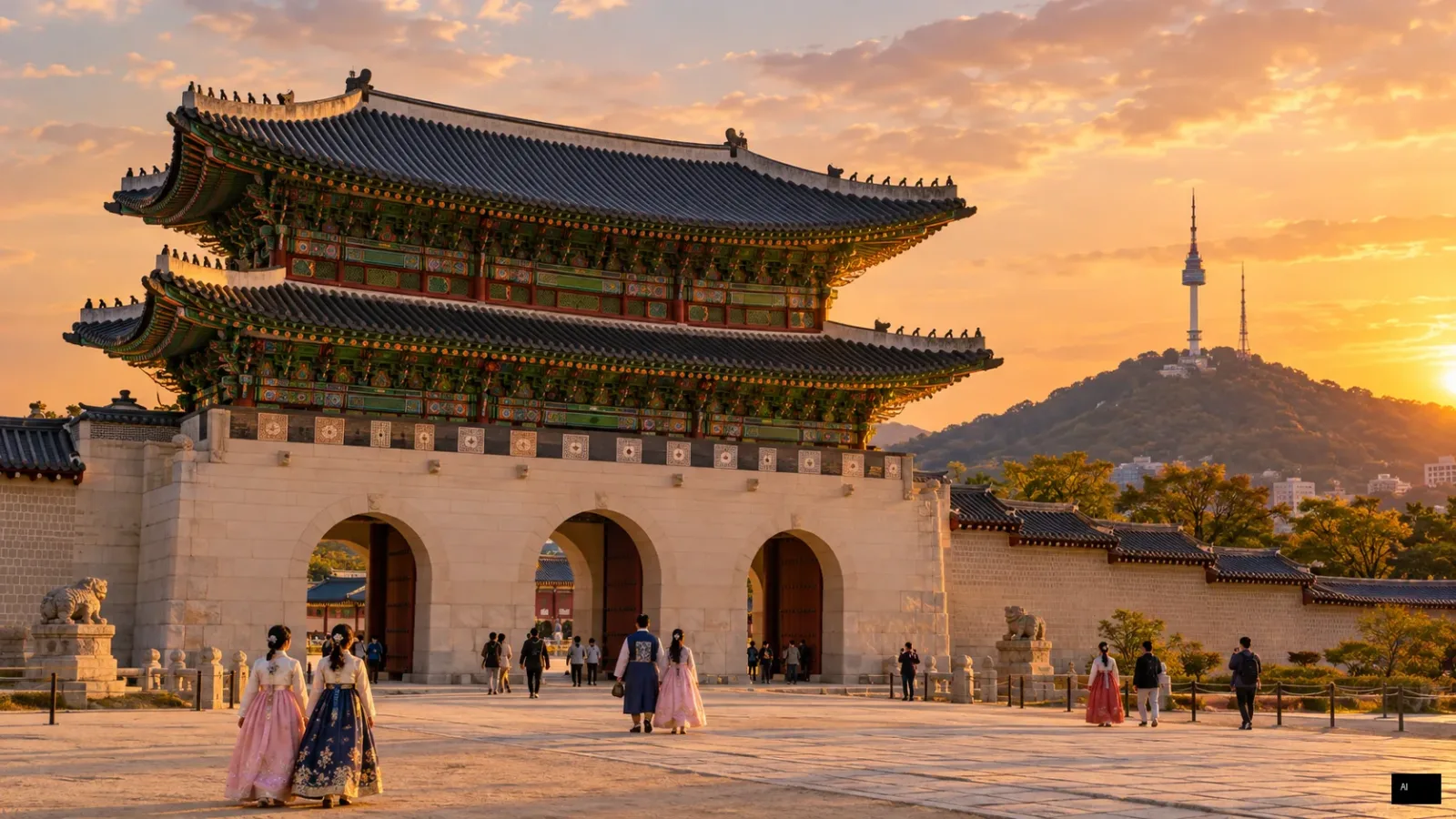
The palace and the tower are Seoul's two must-dos, and both have traps: a Tuesday closure nobody expects, a guard ceremony that rewards early risers, cable car queues at sunset and a hanbok trick that makes the palace free. The planning guide.

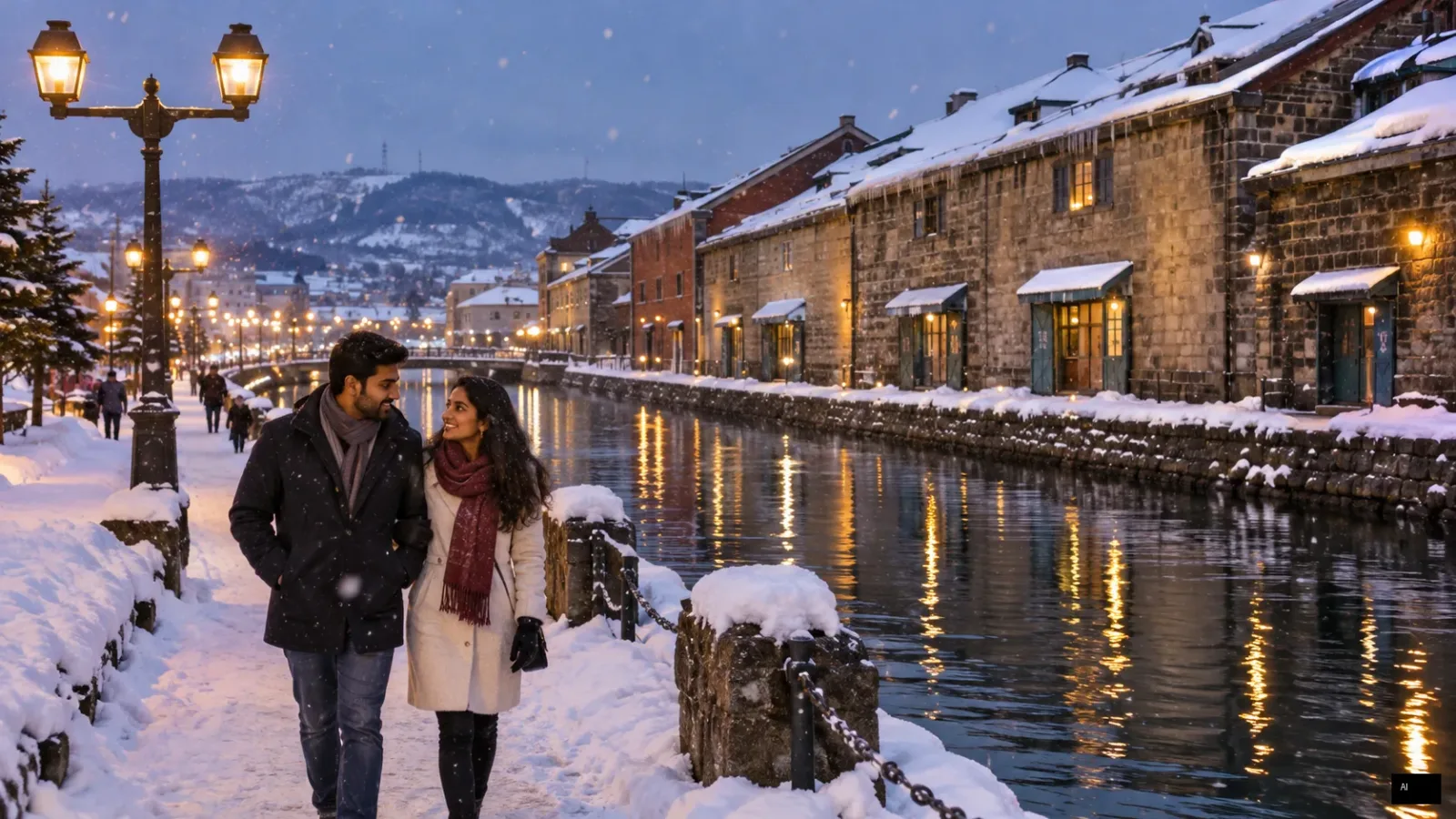
Otaru and Niseko pair beautifully - they sit on the same railway line - but the local trains run every 1-2 hours, Kutchan is outside the IC-card zone, and the last train home is earlier than you think. The plan that works.

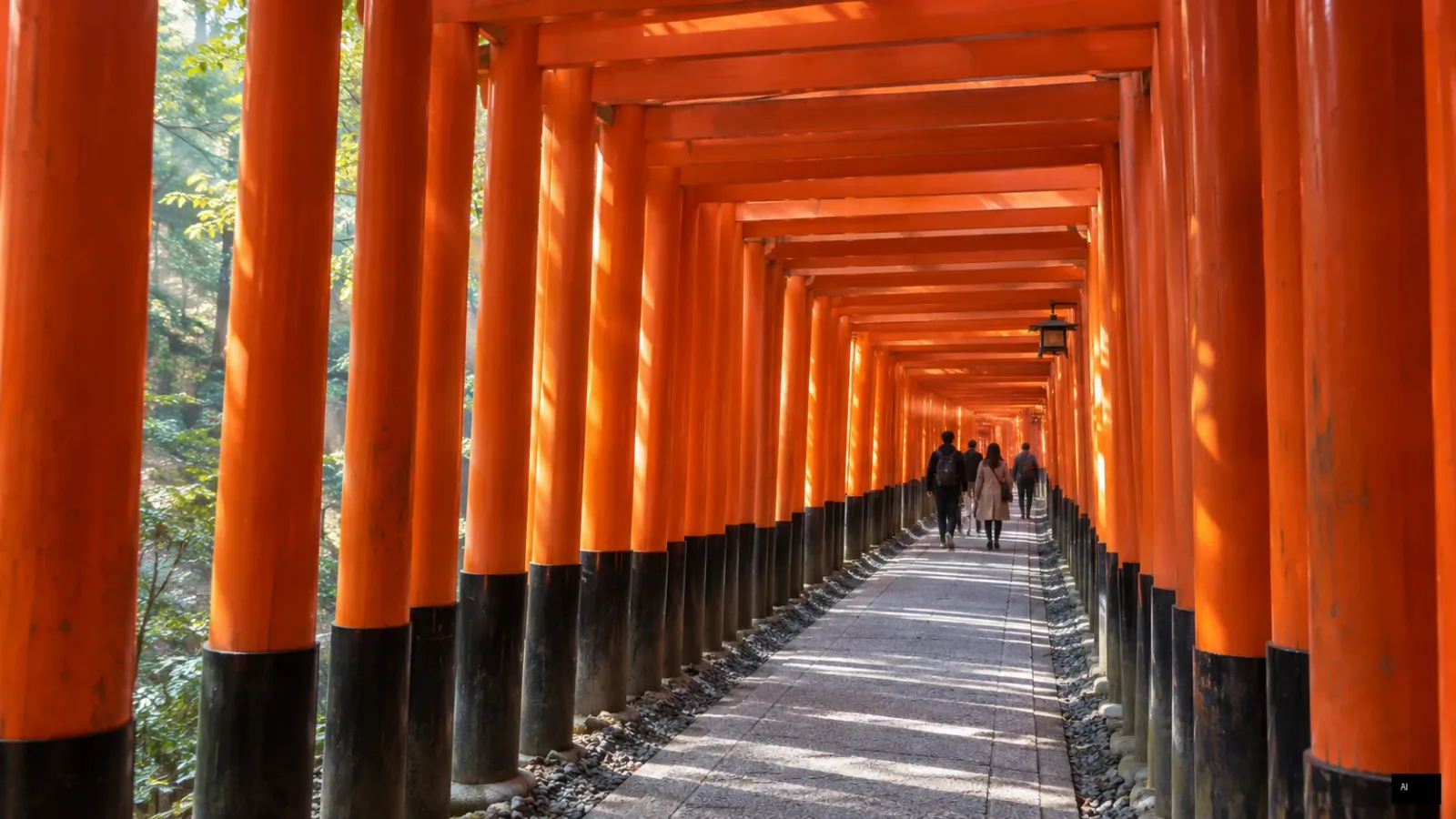
Fushimi Inari at dawn, Arashiyama by late morning: it is the classic Kyoto double, and it works - if you know both sights sit on opposite sides of the city, both are free, and the one thing that needs a ticket sells out a month ahead.
Practical writing about travelling with elderly parents — visas, knees, food, insurance, and what actually goes wrong. No listicles.
332 articles
Category: Trip PlanningClear filter ×
Trip Planning · 4 min read
Planning Gangaramaya Temple and Galle Face Green in one trip: timing, ticketing and hidden complications
Gangaramaya Temple and Galle Face Green are Colombo's natural pair - a working Buddhist temple with an eccentric museum, and the city's beloved seafront promenade, a 10-minute tuk-tuk apart. The ticket is Rs 400 and the promenade is free, but the dress code, the photo rule and the day's rhythm need planning. Here is the sequence that works.
Trip Planning · 5 min read
Planning Nallur Kandaswamy Temple and Jaffna Fort in one trip: timing, ticketing and hidden complications
Jaffna's two essential sights are only about 3 km apart, but they run on completely different rules: the temple keeps strict session hours, a dress code and a no-photography rule, while the fort is open ground best saved for the golden hour. Here is the sequence that respects both - verified against the temple's own schedule.
Trip Planning · 4 min read
Planning Triveni Ghat and Ram Jhula area in one trip: timing, ticketing and hidden complications
Triveni Ghat and the Ram Jhula area are Rishikesh's two essential riverfront experiences, about 2 km apart but with completely different rhythms. Neither charges an entry ticket - yet timing, transport between them and the evening aarti crowds decide whether the day flows or frustrates. Here is how to sequence them.
Trip Planning · 3 min read
Planning Victoria Peak and the Star Ferry in one trip: timing, ticketing and hidden complications
The Peak and the Star Ferry look adjacent on the map but the tram terminus is a 15-minute uphill walk from the ferry pier. The right order, the real fares (Peak Tram return HK$182, ferry HK$4-6.5), and the timing that beats both queues.
Trip Planning · 4 min read
Planning Seongsan Ilchulbong and Manjanggul area in one trip: timing, ticketing and hidden complications
Jeju's two UNESCO east-coast sites pair into one day - but they close on different weekdays, open on different clocks, and hide a few gate surprises. The closure calendar, the order, the tickets and the fixes.
Trip Planning · 3 min read
Planning Gamcheon Culture Village and Haedong Yonggungsa in one trip: timing, ticketing and hidden complications
Busan's two most photogenic free sights sit at opposite ends of the city, and each has a hard time rule - the temple opens at 04:30, the village alleys close to visitors at 18:00. The day order that makes both work.
Trip Planning · 3 min read
Planning Gyeongbokgung Palace and N Seoul Tower in one trip: timing, ticketing and hidden complications
The palace and the tower are Seoul's two must-dos, and both have traps: a Tuesday closure nobody expects, a guard ceremony that rewards early risers, cable car queues at sunset and a hanbok trick that makes the palace free. The planning guide.
Trip Planning · 3 min read
Planning Otaru Canal and Niseko in one trip: timing, ticketing and hidden complications
Otaru and Niseko pair beautifully - they sit on the same railway line - but the local trains run every 1-2 hours, Kutchan is outside the IC-card zone, and the last train home is earlier than you think. The plan that works.
Trip Planning · 3 min read
Planning Fushimi Inari and Arashiyama in one trip: timing, ticketing and hidden complications
Fushimi Inari at dawn, Arashiyama by late morning: it is the classic Kyoto double, and it works - if you know both sights sit on opposite sides of the city, both are free, and the one thing that needs a ticket sells out a month ahead.
Be first to hear when a new batch opens. No spam — only journeys worth your time.