




Nobody's first Japan trip is their best one, and that is fine - the first trip has a job: teach you the machine. Train etiquette, IC cards, luggage forwarding, how konbini breakfast works, why dinner needs a reservation. The second trip is when that knowledge pays out. If you are planning trip number two, here is what should genuinely change - and what people wrongly assume has to.
What stays the same. The fundamentals do not change because they were never the hard part: IC card in your phone, luggage forwarded between cities, mornings at the famous sights, evenings free. If something worked on trip one - a neighborhood you loved, a ramen counter you still think about - revisiting is allowed. A second trip is not a purity test.
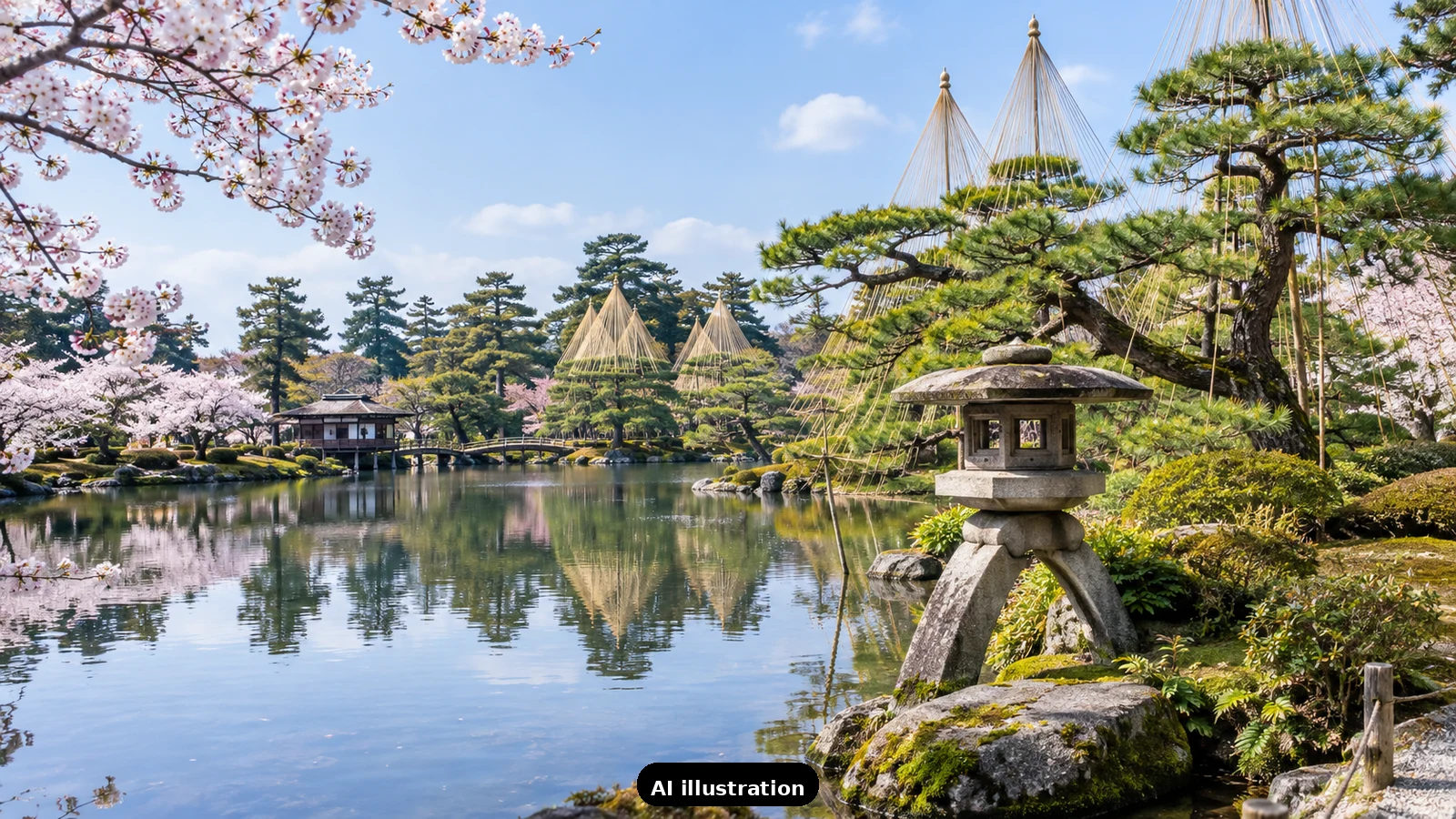
Change one: geography. Trip one is the golden route - Tokyo, Kyoto, Osaka, maybe Hakone - because it is the greatest-hits album and it is great. Trip two should pick a region and go a level deeper. The proven second-trip directions: the Japan Sea side (Kanazawa, Takayama, Shirakawa-go), the west (Hiroshima, Miyajima, Naoshima's art islands), the north (Tohoku's temples and festivals, or Hokkaido's food and landscapes), or the subtropical south (Kyushu's volcano country and onsen towns). Two regions in two weeks is plenty; three is trip-one thinking again.
Change two: pace. The first trip earns its memories by moving; the second earns them by staying. Trade the three-cities-in-seven-days shape for four or five nights in one place - a Kyoto machiya rental, a Koyasan temple lodging, an onsen town where you learn the owner's name. The sights-per-day count drops and the trip gets better. That trade confuses people planning it and makes complete sense to people who have done it.
Change three: the booking muscle. Trip one teaches you that the famous things need booking. Trip two is when you use it: the specific restaurant you read about, the sumo morning-practice viewing, the seasonal festival dated to one week a year, the Gion corner performance, the ski-weekend or autumn-color window that sells out the good ryokan. Second-trip Japan rewards the traveler who plans around one or two anchor experiences instead of a list of sights.
Change four: the unknowns you now volunteer for. First trips avoid friction; second trips should seek a little. A matsuri festival crowd. A sento neighborhood bathhouse instead of the hotel tub. A local train to a town with no English signage and one famous noodle shop. Japan is one of the safest, easiest countries in the world to be slightly lost in, and trip two is the time to cash that in - the stories people bring home from second trips are almost never about landmarks.
What should NOT change. Do not swing from over-planned to under-planned. Rural Japan has fewer hotels, earlier last trains and restaurants that close on surprising days - the deeper you go, the more the logistics discipline from trip one matters. And do not skip the practical layer: travel insurance, a data connection, and someone who knows your route. Adventure and a safety net are not opposites.
How TripKeeper travels the second time. Our founder-hosted batches exist precisely at this seam: routes that go past the golden path - elder-friendly, luggage-forwarded, with the anchor experiences booked - for travelers who want depth without the spreadsheet. And for independent second-timers, the trip-planning inquiry is where regional ideas become a workable day-by-day plan, with the bookings that need to happen early flagged months out.

A Miranda House graduate and lawyer who traded courtrooms for slow travel. Cheshta travels with the batches we host ourselves, with a soft spot for travelling alongside elders.
Planning your next trip?
We'll handle insurance, hotels, airport assistance and the itinerary — the same way we do it for every trip.
Questions on this article
asked by readers, answered by us
Was this helpful?
one tap, no sign-up
