




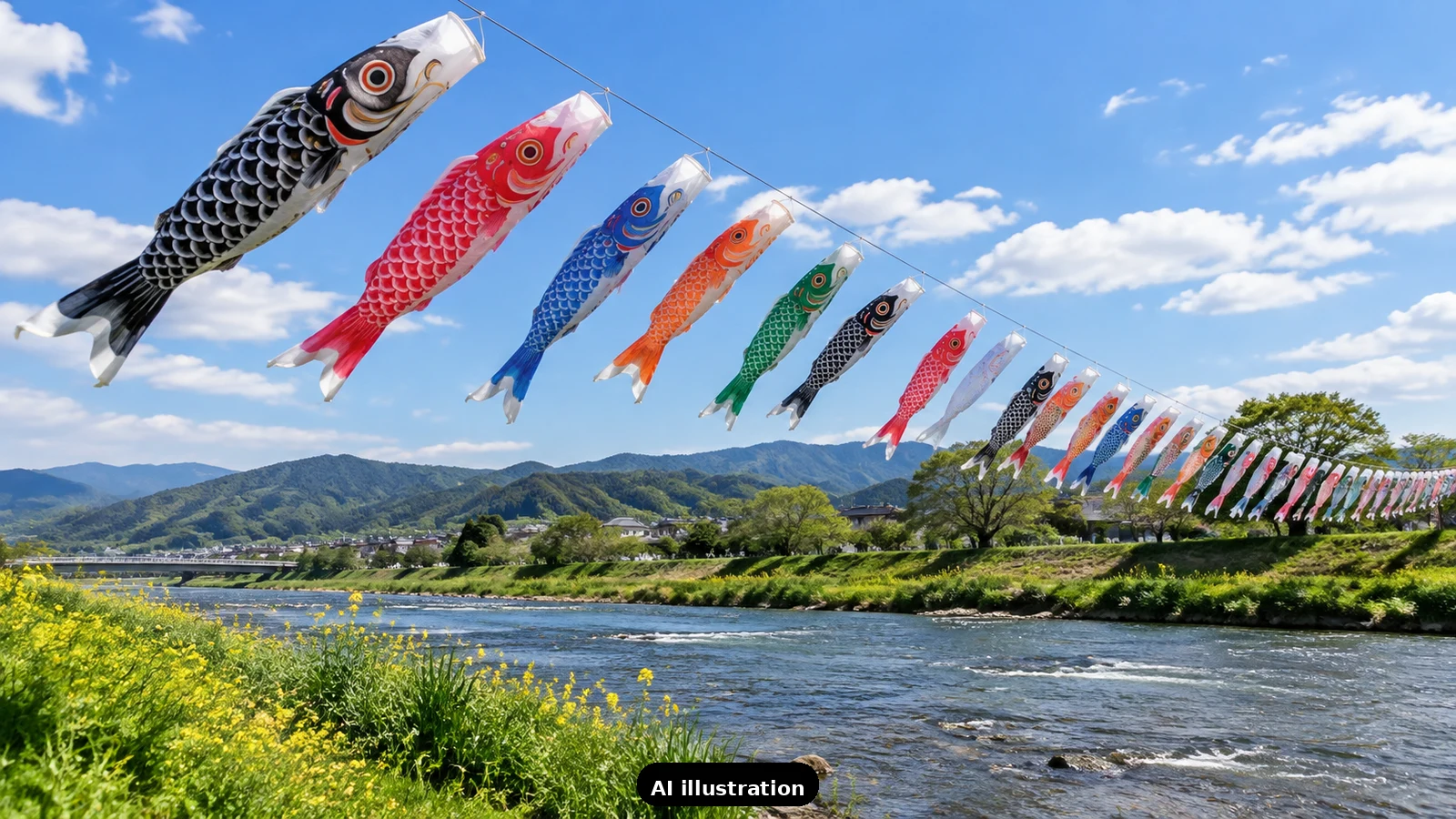
Golden Week is Japan's biggest domestic travel surge - a cluster of four national holidays when much of the country takes the same week off and heads somewhere. For foreign visitors it is a double-edged week: festive atmosphere, perfect spring weather, and some of the year's worst crowds on trains, roads and at famous sights. Here is the verified 2027 calendar, the days that actually hurt, and how to travel through or around it.
The 2027 calendar, verified. The four holidays in 2027 fall as: Showa Day on Thursday April 29, Constitution Memorial Day on Monday May 3, Greenery Day on Tuesday May 4, and Children's Day on Wednesday May 5. Sandwiched between them are a Friday working day (April 30) and a weekend (May 1-2). Because only April 30 sits between two holidays, huge numbers of Japanese workers take that Friday off and turn the stretch into a seven-day break from April 29 to May 5. Treat that whole stretch as Golden Week for planning purposes.
The days that make travel hardest. The outbound crush peaks on the afternoon and evening of Wednesday April 28 and the mornings of April 29 and 30, as people leave Tokyo, Osaka and Nagoya. The return crush lands on May 4 and especially May 5, when everyone comes home at once. If you are riding a shinkansen on any of those days, expect non-reserved cars to be standing-room and reserved seats to sell out. The calmest days inside Golden Week are usually May 1-3, when travelers are already at their destinations - moving between cities on those middle days is noticeably easier.
Trains: reserve, and reserve early. JR shinkansen reserved seats go on sale at 10:00 AM Japan time one month before the travel date, and Golden Week seats on popular routes (Tokyo-Kyoto-Osaka-Hiroshima, Tokyo-Kanazawa) go within hours for peak days. Set a reminder for the one-month-ahead date of each leg and book the moment sales open; some peak-day services run with all-reserved seating, which is announced closer to the time. A rail pass does not exempt you from this - pass holders still need seat reservations and face the same sell-outs.
What closes, what does not. Golden Week is a holiday for workers, not for tourism. Temples, shrines, museums and major attractions stay open - and are packed, with Kyoto's famous spots at their most crowded of the spring. What closes or thins out: small family-run restaurants and shops (especially on the holiday days themselves), clinics and some offices. Convenience stores, chain restaurants, malls and transport all run normally. Popular restaurants that take reservations book out; walk-in favorites have their longest lines of the year.
Hotels and prices. Golden Week is peak pricing: Kyoto, Tokyo and resort-area rates jump sharply, and the best-value rooms sell out months ahead. If your dates are fixed, book accommodation as early as you can with free cancellation, then re-shop prices occasionally - but do not count on late deals in the big cities. Smaller destinations (regional cities, onsen towns off the famous list) stay more available and more reasonably priced.
Should you visit Japan during Golden Week at all? If you can move your trip, arriving May 6 onward is the single easiest upgrade in Japanese travel: same late-spring weather, a fraction of the crowds. If Golden Week is your only window, it is still workable - plan city bases rather than daily moves, reserve every train, visit famous sights at opening time, and lean on the quieter middle days for intercity hops. What you should not do is improvise transport on April 29-30 or May 5.
How TripKeeper handles the week. For trips touching Golden Week, our team books the shinkansen legs the day seat sales open, keeps intercity moves off the April 29-30 and May 5 peaks, and schedules famous-city sightseeing for early mornings with quieter alternatives in reserve. Founder-hosted batches run on that structure; independent travelers get the same reservation calendar and crowd-avoidance sequencing through the trip-planning inquiry - plus on-trip help if a booked-out train forces a replan.

A Miranda House graduate and lawyer who traded courtrooms for slow travel. Cheshta travels with the batches we host ourselves, with a soft spot for travelling alongside elders.
Planning your next trip?
We'll handle insurance, hotels, airport assistance and the itinerary — the same way we do it for every trip.
Questions on this article
asked by readers, answered by us
Was this helpful?
one tap, no sign-up
