



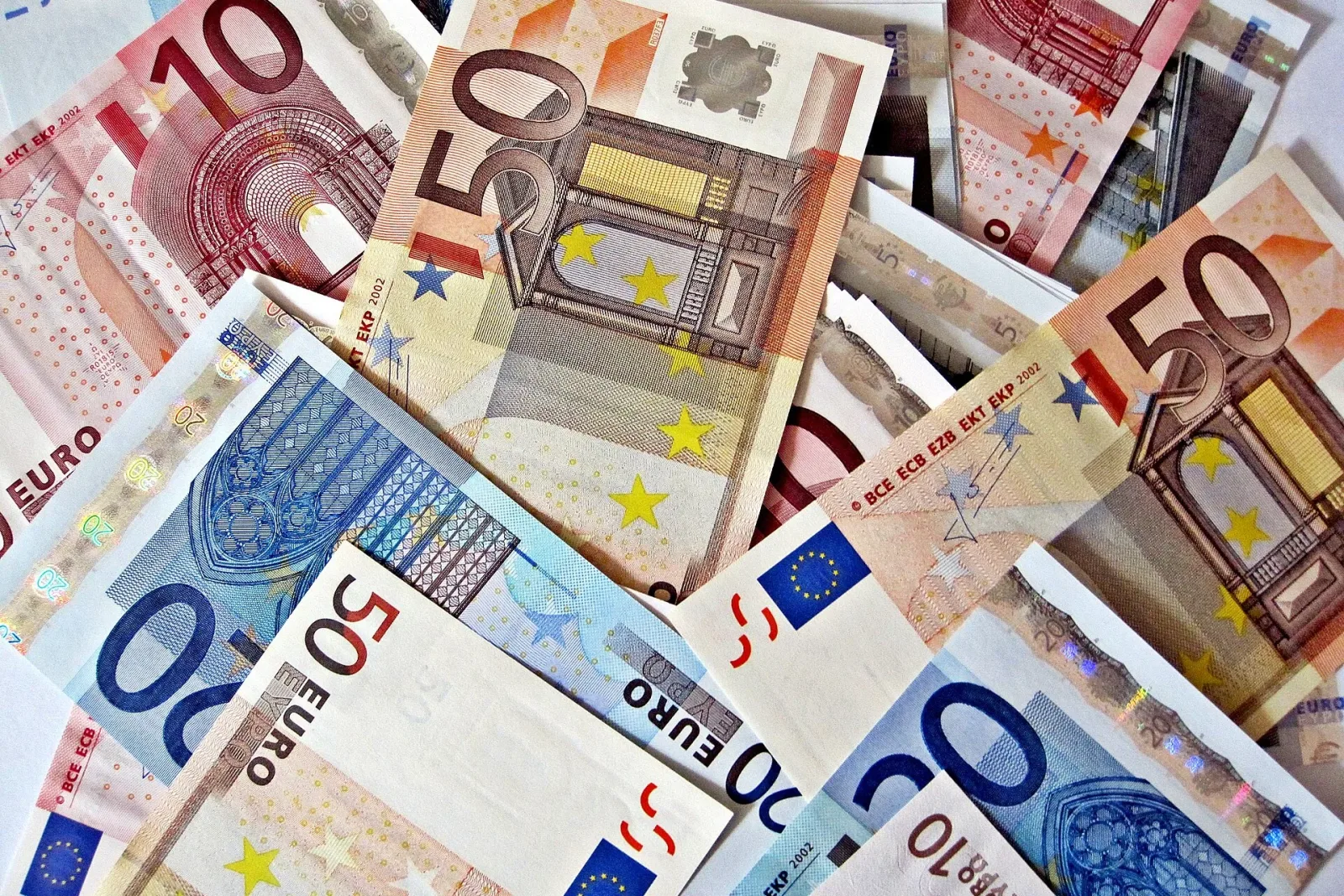

Cover image: a pile of Euro banknotes. Photo: Images Money, CC BY 2.0, via Wikimedia Commons.
The short answer
For a normal trip abroad, an Indian resident can buy foreign currency notes and coins only up to USD 3,000 per visit. Anything more you need for the trip goes on store-value cards, traveller's cheques or a banker's draft. This is from the Reserve Bank of India's own frequently asked questions for the common person, updated 28 November 2025 and read on 25 November 2026. A few routes are exceptions in the RBI's answer - travellers to Iraq and Libya may draw up to USD 5,000 in cash, and travellers to Iran, Russia and other CIS republics may draw their entire entitlement in cash - but for the destinations Indian tourists usually fly to, USD 3,000 is the cash ceiling per visit.
The rules around the cash
The same RBI FAQ answers the questions that sit around the main limit:
- Buying the foreign exchange: if you pay for your foreign exchange in rupees, cash payment is accepted only below Rs 50,000. At Rs 50,000 or more, the entire payment must be by crossed cheque, banker's cheque, pay order, demand draft, or card.
- Coming back with foreign exchange: a traveller returning to India should surrender unspent foreign currency notes and traveller's cheques within 180 days of return. You may keep up to USD 2,000 in foreign currency notes or traveller's cheques for a future trip, or credit it to a resident foreign currency (domestic) account. Foreign coins you may hold without any limit.
- Bringing Indian currency home: a resident returning from a temporary visit abroad may bring Indian currency notes up to Rs 25,000. Special rules apply for Nepal and Bhutan, including a Rs 100 denomination restriction on notes brought from there.
- Bringing foreign exchange into India: there is no limit on how much foreign exchange a person can bring in, but if the total of currency notes and traveller's cheques exceeds USD 10,000, or foreign-currency notes alone exceed USD 5,000, it must be declared to customs at the airport in a Currency Declaration Form on arrival.
Buy from the right counter
The FAQ also settles who may sell you travel forex: an Authorised Dealer Category-I bank, an AD Category-II entity, or a Full-Fledged Money Changer. If a seller is none of these, the transaction is outside the framework the RBI describes.
Why this matters at the airport
These are the numbers a family should know before the trip, not at the counter: how much cash is even legal to carry out, how much can come back undeclared, and the dates that matter after return. The RBI page carries its own update date - 28 November 2025 - and rules like these do change. If your trip is far from that date, read the same FAQ again before you fly.
Last verified: 25 November 2026 against the Reserve Bank of India's FAQs on foreign exchange facilities for the common person (updated 28 November 2025).
Questions people ask at the gate
What is the maximum foreign-currency cash I can carry on a normal trip?
USD 3,000 per visit, per the RBI FAQ. The rest of your forex goes on cards or traveller's cheques.
Can I pay for my forex in cash?
Only below Rs 50,000. At or above that, the full payment must go through a crossed cheque, draft or card.
How long do I have to surrender leftover foreign currency after returning?
180 days, though you may retain up to USD 2,000 for future use, and foreign coins without limit.
How much Indian currency can I bring back into India?
Up to Rs 25,000 on return from abroad, with separate restrictions for Nepal and Bhutan.
When do I have to declare foreign currency on arrival in India?
When currency notes and traveller's cheques together exceed USD 10,000, or foreign-currency notes alone exceed USD 5,000 - declared in the Currency Declaration Form at the airport.
Next walk starts at a new gate.
Was this helpful?
one tap, no sign-up

A Miranda House graduate and lawyer who traded courtrooms for slow travel. Cheshta travels with the batches we host ourselves, with a soft spot for travelling alongside elders.