




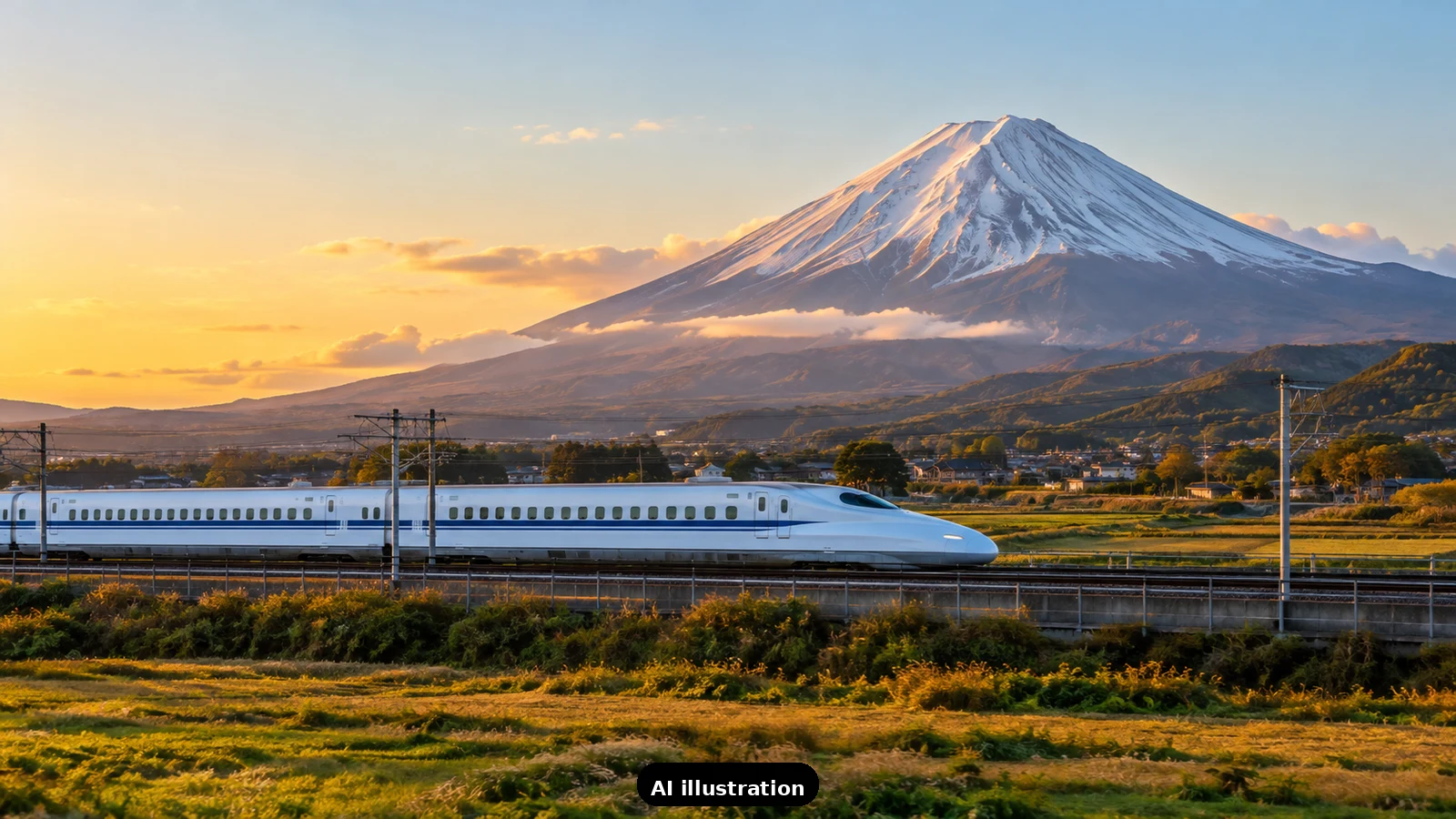
Ask this question before 2023 and the answer was easy: yes, buy the pass. Then the nationwide Japan Rail Pass went up by roughly 70%, and the classic Tokyo-Kyoto-Osaka loop stopped being an automatic win. Now it is a calculation - and a quick one.
The current prices. A standard (ordinary car) nationwide JR Pass costs ¥50,000 for 7 days, ¥80,000 for 14 days, and ¥100,000 for 21 days per adult, bought online before or during your trip; children 6-11 are half. Green Car (first class) versions run ¥70,000/110,000/140,000. Prices are a few thousand yen higher if purchased inside Japan.
The route math. A reserved seat on the Tokaido Shinkansen from Tokyo to Kyoto costs about ¥14,170 one way on the fastest Nozomi services; the Kyoto-Osaka hop is a short local or Special Rapid ride of a few hundred yen. So a one-way Tokyo to Osaka journey totals roughly ¥15,000, and a full Tokyo-Kyoto-Tokyo round trip around ¥28,500. Against a ¥50,000 7-day pass, the classic loop loses by a wide margin - even with airport trains and a day trip or two added.
When the pass still wins. The pass pays off when you stack long legs: add Hiroshima or Kanazawa to the loop and a 7-day pass starts saving real money. Tokyo-Kyoto-Hiroshima-Miyajima-Osaka within 7 days, for example, runs about ¥50,000 or more in point-to-point fares, and every extra intercity ride from there is free. Rule of thumb: total up your exact itinerary's Shinkansen legs; if they clear about ¥45,000 within the pass window, the pass is worth considering, if not, buy tickets as you go.
The Nozomi catch. The nationwide pass does not cover Nozomi (or Mizuho) trains, the fastest and most frequent services on the Tokaido-Sanyo line - pass holders must ride Hikari or Sakura instead, or pay a special supplement to board a Nozomi. On the Tokyo-Kyoto run that costs you roughly 15-20 extra minutes. Point-to-point ticket holders have no such restriction.
Oversized baggage matters either way. On the Tokaido-Sanyo-Kyushu Shinkansen, any bag whose combined length, width and height exceed 160cm requires a free but mandatory oversized-baggage seat reservation - walk on with one and you face a ¥1,000 fee and a move of your luggage. This applies whether you ride on a pass or individual tickets; reserve the right seat type when booking.
Regional passes change the picture. If your trip is Tokyo-Kyoto-Osaka only, skip the nationwide pass entirely and look at one-way tickets plus regional options like the JR West Kansai passes for local hops. If you are looping Tokyo-Japanese Alps-Kanazawa-Kyoto, the nationwide pass returns to contention. The pass is a tool for distance, not convenience.
Convenience has a price too. One honest argument for the pass even when math is a wash: you can hop on almost any JR train nationwide without buying tickets each time, and seat reservations are free. Some travelers happily pay a small premium for that freedom. Just do it knowingly, not by default.
How we handle it at TripKeeper. Every Japan itinerary we plan includes the fare math before we recommend anything: we total your actual route leg by leg, compare pass versus point-to-point with current prices, and tell you plainly when the pass would cost you more. On fixed departures with our partners, rail segments are already booked with the right seat types - oversized baggage reservations included - so nobody gets surprised at the platform.

A Miranda House graduate and lawyer who traded courtrooms for slow travel. Cheshta travels with the batches we host ourselves, with a soft spot for travelling alongside elders.
Planning your next trip?
We'll handle insurance, hotels, airport assistance and the itinerary — the same way we do it for every trip.
Questions on this article
asked by readers, answered by us
Was this helpful?
one tap, no sign-up
