




Kyoto and Osaka sit 30 minutes apart by train, which makes 'which one should I stay in' feel like a coin flip. It is not. The two cities keep different hours, charge different room rates, and send you home in different moods. The right base depends on what your days look like - and getting it wrong mostly costs you evenings, not sights.
The transit reality. Between Kyoto Station and Osaka Station the JR Special Rapid runs every few minutes, takes 29 minutes, and costs a few hundred yen - no reservation, just tap an IC card. The last trains run around midnight, so an Osaka dinner can end in a Kyoto bed. Nara sits on the way (45 minutes from either city), Kobe and Himeji lie to the west, and Kansai Airport's Haruka express serves both cities directly. Nothing in the region is stranded from either base. That is exactly why the choice comes down to everything except transport.
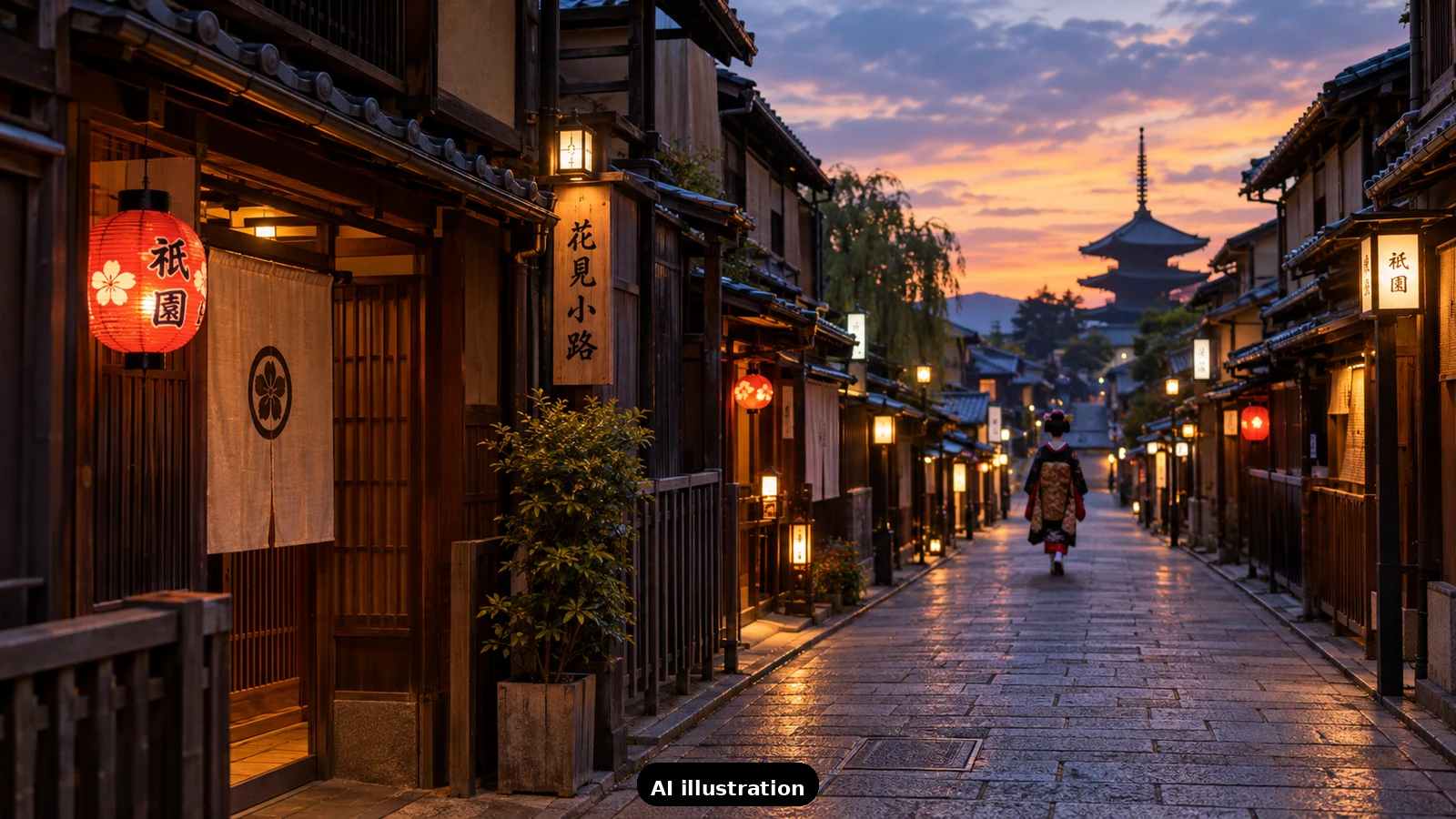
Kyoto as a base. Kyoto is the reason you came. The temples, the bamboo grove, Gion at dusk, the tea houses - and staying here buys you the city's best hours, which are the edges of the day. Fushimi Inari at 6:30 AM is a private experience; by 10 AM it is a queue. That gap only exists for people who sleep in Kyoto. The tradeoffs are real: hotel rooms run smaller and pricier than Osaka's, availability in cherry-blossom and autumn-color seasons evaporates months out, and the city winds down early. After 9 PM, central Kyoto quiets to a few izakaya lanes and late ramen counters. If your dream evening is neon and noise, Kyoto will feel like it is closing around you.
Osaka as a base. Osaka is where the evenings go. Dotonbori's canal and signboards, the standing sushi bars, the food-stall crawls through Shinsekai - the city hits its stride when Kyoto is going to sleep, and it keeps going until the last train. Rooms are bigger for the money, last-minute availability is far better, and Shin-Osaka station puts the whole shinkansen network one stop away, which suits anyone day-tripping to Himeji, Hiroshima or Kobe. What you give up is atmosphere: Osaka is a working, eating, laughing modern city, and waking up there does not feel like waking up in old Japan. You commute to the temples instead of strolling to them.
The room-price math. For the same budget, Osaka generally delivers a class more hotel - a mid-range business-hotel rate in Osaka often buys a genuine upgrade over what the same money finds in Kyoto, and in Kyoto's peak weeks the gap widens sharply. If the trip is long or the budget is tight, sleeping in Osaka and day-tripping into Kyoto two or three times is a legitimate strategy: the round trip costs under a thousand yen and an hour total. The cost is the temple-morning advantage, and that one is not replaceable.
The honest verdict. Sleeping 3-4 nights in the region? Stay in Kyoto, every night. The mornings and evenings you came for are only available to Kyoto sleepers, and Osaka's nightlife survives a 30-minute train ride home before the last departure. On a longer trip, or with late-night energy as a priority, split it: Kyoto first for the temples at dawn, Osaka last for food and an easy Kansai Airport exit. Only base entirely in Osaka if Kyoto's rooms are sold out or the budget forces it - and if it does, accept the trade without regret, because Osaka is a wonderful city on its own terms.
Who should choose what. First-time visitors chasing temples, gardens and geisha districts: Kyoto. Food-first travelers, night owls, friend groups: Osaka. Families with small kids split - Osaka's bigger rooms help, but Kyoto's calmer streets are easier with a stroller. Seniors usually prefer Kyoto's mood but appreciate Osaka's step-free, elevator-heavy stations; the right answer is the hotel near the station with the elevator exit, whichever city it is in.
How TripKeeper splits the difference. On the trips our team plans, the base question is answered by the itinerary's mornings: if two or more mornings start at a temple or shrine before 8 AM, the hotel goes in Kyoto; if the trip's last days are food and airport logistics, the final nights move to Osaka. It is a small sequencing decision that quietly shapes the whole holiday - one of the details our founder-hosted batches never have to think about, and that our trip-planning inquiry sorts for independent travelers.

A Miranda House graduate and lawyer who traded courtrooms for slow travel. Cheshta travels with the batches we host ourselves, with a soft spot for travelling alongside elders.
Planning your next trip?
We'll handle insurance, hotels, airport assistance and the itinerary — the same way we do it for every trip.
Questions on this article
asked by readers, answered by us
Was this helpful?
one tap, no sign-up
