




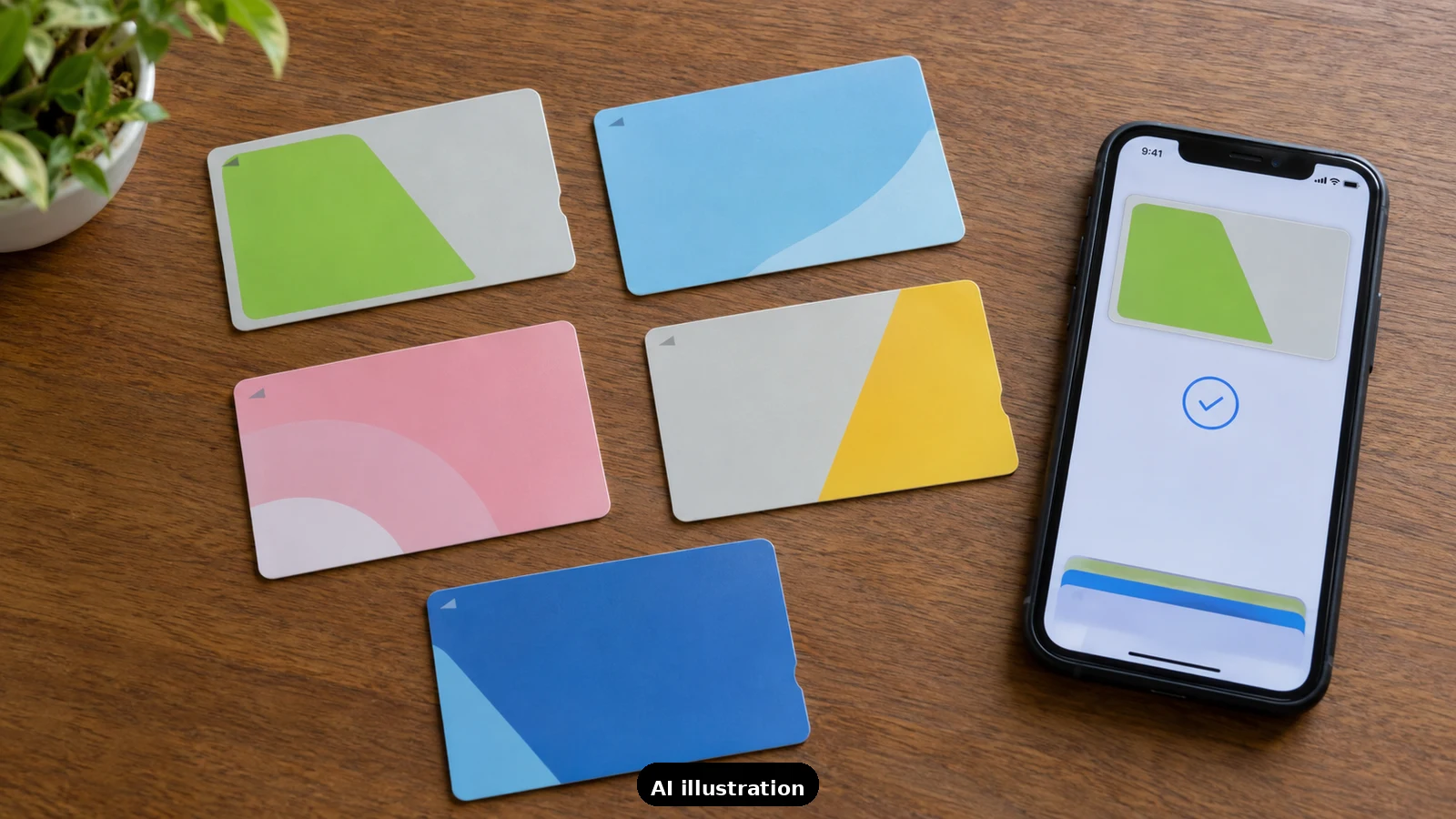
Japan has ten major regional IC transit cards - Suica and PASMO in Tokyo, ICOCA in Osaka and Kyoto, Kitaca in Sapporo, TOICA in Nagoya, and more - and visitors reasonably assume they need to learn them all. You do not. Here is what actually matters.
Yes, one card works across Japan. Since 2013, the ten major IC cards are mutually compatible: any of them rides trains, subways and buses, and pays at convenience stores and vending machines, in every other card's region. A Suica bought at Narita works perfectly on the Osaka Metro, Kyoto buses and Fukuoka convenience stores. For a tourist, the card you can most easily get first is the right card.
So what is different between them? Mainly who sells them and where you can give them back. Suica is JR East's card (Tokyo area JR stations); PASMO belongs to Tokyo's subway and private railways; ICOCA is JR West's (Osaka, Kyoto, Kobe). Fares, coverage and shop acceptance are functionally identical for travelers.
The refund catch. A regular card costs a refundable ¥500 deposit, but you can only surrender it in its home region: a Suica goes back at JR East stations, an ICOCA at JR West stations, and neither accepts the other's card. Leaving Japan from Osaka with a Tokyo Suica means you cannot cash out the deposit there - either spend the balance down before you fly, keep it for next time (cards last ten years from last use), or accept the loss. The practical move: run the balance to near zero at the airport convenience store, then it hardly matters.
Tourist versions skip the deposit game. Welcome Suica (JR East's visitor card, valid 28 days) needs no deposit and no refund run - leftover balance simply expires. That convenience suits most one-trip visitors who are unsure about returning.
The phone option beats all cards. iPhone users can add Suica or PASMO directly in Apple Wallet and top up with a foreign card - no deposit, no machine, no queue. Android users can do the same via Google Wallet with Suica. For many travelers this removes the whole question: the card is set up on the plane before landing.
Where they do not work. Interoperability has edges: some rural bus lines, certain ferries, and a few local railways take cash only. Shinkansen rides are not covered by tapping either - the bullet train needs a ticket or a linked reservation (services like SmartEX let you tie your IC card to Shinkansen bookings). And IC cards cannot be used to cross between certain distant regions on one continuous ride; the tap-in, tap-out area has to be contiguous.
Bottom line for choosing. Landing in Tokyo: get Suica or PASMO, whichever machine you see first - or add one to your phone. Landing in Osaka: ICOCA, same logic. Do not chase a specific brand; chase ten minutes saved. The cards are twins wearing different jerseys.
How TripKeeper sets this up. For travelers on our planned trips, the IC card decision is settled before departure: we recommend the phone wallet route when the device supports it, flag the refund rule so nobody loses a deposit on the wrong side of the country, and our airport assistance walks you through the first top-up if you prefer a physical card.

A Miranda House graduate and lawyer who traded courtrooms for slow travel. Cheshta travels with the batches we host ourselves, with a soft spot for travelling alongside elders.
Planning your next trip?
We'll handle insurance, hotels, airport assistance and the itinerary — the same way we do it for every trip.
Questions on this article
asked by readers, answered by us
Was this helpful?
one tap, no sign-up
