




Tokyo transit confuses visitors because three different things all get called "passes" and none of them covers the others' tracks. Here is the clean breakdown: what each one rides, what it costs, and what you should actually carry.
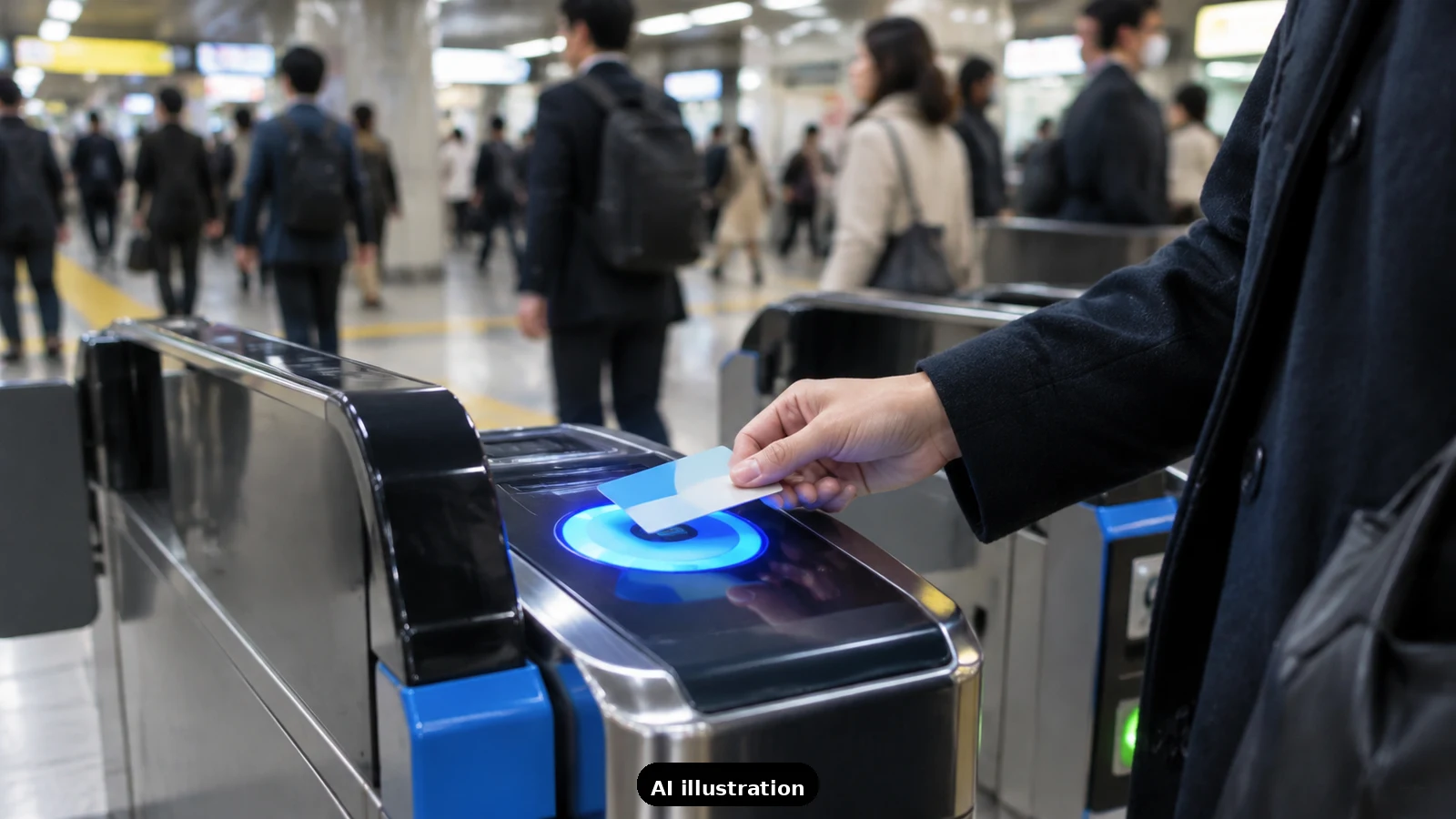
Suica: the pay-as-you-go wallet. Suica is a rechargeable IC card (or an app on your phone). You tap in and out and it deducts the exact fare - no discount, just convenience. It works on essentially every train, subway and bus in greater Tokyo: JR lines like the Yamanote loop, Tokyo Metro, Toei subway, private railways, the lot. It also pays at convenience stores and vending machines. For most visitors this is the single most useful item in their pocket, and it works across Japan's other cities too.
Tokyo Subway Ticket: unlimited subway rides. This is the tourist flat-rate pass for the two subway operators - Tokyo Metro and Toei Subway - valid for 24, 48 or 72 hours from first use. Current prices are ¥1,000, ¥1,500 and ¥2,000 for adults (children half). The catch is in the name: it covers subway lines only. It does not work on JR trains, including the Yamanote loop that many travelers use constantly. If your sightseeing is subway-shaped - Asakusa, Ginza, Shibuya, Shinjuku, Ueno - a 72-hour ticket at ¥2,000 beats paying ¥180-330 per ride once you ride about six times a day.
JR Pass: the intercity tool. The nationwide JR Pass is for long distances - Shinkansen and JR limited expresses between cities. Inside Tokyo it covers JR lines only: Yamanote, Chuo, Keihin-Tohoku and friends, but zero subway stations. At ¥50,000 for 7 days it makes no sense as a Tokyo city pass; its Tokyo usefulness is a side effect, not the product. (The JR Pass also excludes Nozomi Shinkansen and requires Hikari or Kodama on the Tokaido line.)
The quick decision. Only doing Tokyo for a few days? Get a Suica (physical card at the airport or digital in Apple/Google Wallet) and optionally add a Tokyo Subway Ticket if your days are subway-heavy - skip the JR Pass entirely. Touring multiple cities? JR Pass for the Shinkansen legs plus Suica for city days, buying subway tickets as needed or adding the subway pass for your Tokyo stretch. The three products solve three different problems; the mistake is expecting one to do another's job.
Buying them. Suica: at airport and major-station machines, or instantly on iPhone and Android via the wallet apps - a ¥500 deposit applies to the physical card. Tokyo Subway Ticket: sold to foreign visitors at airports, major stations, Bic Camera and tourist counters; bring your passport. JR Pass: buy online from the official site before or during the trip.
One fine distinction. Tokyo's network is run by multiple companies, and some through-services cross between them - a single physical train ride can start on a Metro line and end on a private railway, and fares split accordingly. Suica handles this invisibly; flat-rate subway tickets do not, charging you a top-up for the non-subway stretch at the gate.
How TripKeeper sets travelers up. When we build a Japan itinerary, transit setup is day-one material: we tell you which card to have ready before landing, whether your specific sightseeing map earns back a subway pass, and when the JR Pass is and is not part of the answer. Our airport assistance on arrival includes getting you through the first station gate, not just to the hotel door.

A Miranda House graduate and lawyer who traded courtrooms for slow travel. Cheshta travels with the batches we host ourselves, with a soft spot for travelling alongside elders.
Planning your next trip?
We'll handle insurance, hotels, airport assistance and the itinerary — the same way we do it for every trip.
Questions on this article
asked by readers, answered by us
Was this helpful?
one tap, no sign-up
