


The Trip Keeper The Trip Keeper
Home / Journal / Travel Tips
Travel Tips 3 min read

Why Boarding Passes Still Look Like It's 1985

The Trip Keeper Team
18 Sep 2026
share WhatsApp Facebook X
Why Boarding Passes Still Look Like It's 1985

In this article

jump straight to what you need

Airlines will redesign their entire livery, repaint every aircraft, and spend millions on a new logo. Nobody, anywhere, has bothered to make the boarding pass look less like a photocopied fax from 1985.

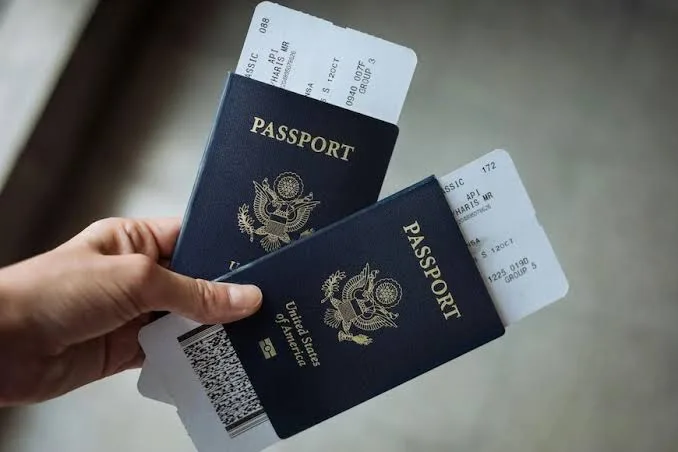
Look at one closely next time. Cramped fonts. A barcode that looks vaguely apologetic. Your name, sometimes reversed as SURNAME/FIRSTNAME like you're being addressed by a very formal stranger. Gate, seat, boarding group, all crammed into a layout that feels like it was designed by someone optimising for a dot-matrix printer. Which, as it turns out, is basically true.

It's not bad design. It's old infrastructure.

The boarding pass format most airlines still use is built around IATA's Bar Coded Boarding Pass (BCBP) standard — a global specification designed so that any airline's system, any airport's scanner, and any check-in kiosk anywhere in the world can read any other airline's boarding pass without needing custom software for each one.

That standard was built for compatibility, not aesthetics. And once thousands of airports and millions of scanners are calibrated to read a very specific format, changing it isn't a design refresh — it's a global infrastructure migration.

Why redesigning it is scarier than it sounds

Imagine an airline decides its boarding pass should look sleeker — modern typography, a cleaner layout, maybe even nice color-coding for boarding groups. Sounds harmless. Except:

  • Every airport scanner that reads that barcode needs to still recognise the data inside it.
  • Every partner airline's system, for codeshare and interline flights, needs to parse it correctly.
  • Every gate agent's handheld scanner, at every airport that airline flies to, needs it to keep working exactly as before.

A cosmetic redesign risks touching systems that took decades to standardise. Most airlines have decided that a nicer-looking boarding pass simply isn't worth the risk of it not scanning correctly somewhere in Frankfurt, Nairobi, or Bengaluru.

The barcode is doing more than you think

That unglamorous black-and-white pattern actually encodes a surprising amount: your name, flight number, seat, sequence number, and even security-check status data, all compressed into a format any airline's system worldwide can decode instantly. It's less "outdated design" and more "universal translator that happens to look ugly."

So why do digital boarding passes still look the same?

Even airline apps, which could easily redesign the on-screen version, largely keep the same layout — mostly because gate staff and security officers are trained to glance at specific fields in specific places. Change the layout too much, and you slow down exactly the process the boarding pass exists to speed up.

The quiet exception

A few airlines have experimented with more visually designed digital boarding passes — while keeping the scannable barcode section completely untouched underneath. It's a reasonable compromise: make the part humans look at nicer, leave the part machines read exactly as the global standard demands.

Don't expect a bold redesign anytime soon, though. In an industry where a single scanning error can mean a missed flight, "it's ugly but it works everywhere" tends to beat "it's beautiful but might not scan in Terminal 3."

Airline FactsAirport DesignBoarding PassTravel Trivia
or let us do all of it

Planning your next trip?

We'll handle insurance, hotels, airport assistance and the itinerary — the same way we do it for every trip.

Read next

Journal
Travel Tips · 3 min read

Why Boarding Passes Still Look Like It's 1985

Every airline in the world redesigns its app, uniforms, even its logo. But the boarding pass — that small strip of barely-legible codes and fonts nobody chose — hasn't changed in decades. Here's why nobody's fixed it.

The Trip Keeper Team
18 September 2026
WhatsApp
Why Boarding Passes Still Look Like It's 1985

Airlines will redesign their entire livery, repaint every aircraft, and spend millions on a new logo. Nobody, anywhere, has bothered to make the boarding pass look less like a photocopied fax from 1985.

Look at one closely next time. Cramped fonts. A barcode that looks vaguely apologetic. Your name, sometimes reversed as SURNAME/FIRSTNAME like you're being addressed by a very formal stranger. Gate, seat, boarding group, all crammed into a layout that feels like it was designed by someone optimising for a dot-matrix printer. Which, as it turns out, is basically true.

It's not bad design. It's old infrastructure.

The boarding pass format most airlines still use is built around IATA's Bar Coded Boarding Pass (BCBP) standard — a global specification designed so that any airline's system, any airport's scanner, and any check-in kiosk anywhere in the world can read any other airline's boarding pass without needing custom software for each one.

That standard was built for compatibility, not aesthetics. And once thousands of airports and millions of scanners are calibrated to read a very specific format, changing it isn't a design refresh — it's a global infrastructure migration.

Why redesigning it is scarier than it sounds

Imagine an airline decides its boarding pass should look sleeker — modern typography, a cleaner layout, maybe even nice color-coding for boarding groups. Sounds harmless. Except:

  • Every airport scanner that reads that barcode needs to still recognise the data inside it.
  • Every partner airline's system, for codeshare and interline flights, needs to parse it correctly.
  • Every gate agent's handheld scanner, at every airport that airline flies to, needs it to keep working exactly as before.

A cosmetic redesign risks touching systems that took decades to standardise. Most airlines have decided that a nicer-looking boarding pass simply isn't worth the risk of it not scanning correctly somewhere in Frankfurt, Nairobi, or Bengaluru.

The barcode is doing more than you think

That unglamorous black-and-white pattern actually encodes a surprising amount: your name, flight number, seat, sequence number, and even security-check status data, all compressed into a format any airline's system worldwide can decode instantly. It's less "outdated design" and more "universal translator that happens to look ugly."

So why do digital boarding passes still look the same?

Even airline apps, which could easily redesign the on-screen version, largely keep the same layout — mostly because gate staff and security officers are trained to glance at specific fields in specific places. Change the layout too much, and you slow down exactly the process the boarding pass exists to speed up.

The quiet exception

A few airlines have experimented with more visually designed digital boarding passes — while keeping the scannable barcode section completely untouched underneath. It's a reasonable compromise: make the part humans look at nicer, leave the part machines read exactly as the global standard demands.

Don't expect a bold redesign anytime soon, though. In an industry where a single scanning error can mean a missed flight, "it's ugly but it works everywhere" tends to beat "it's beautiful but might not scan in Terminal 3."

The Trip Keeper Team
Airline FactsAirport DesignBoarding PassTravel Trivia

Planning your next trip?

We'll handle insurance, hotels, airport assistance and the itinerary — the same way we do it for every trip.

See upcoming trips Talk to a founder

Keep reading

10 Tips for Family Travel With Elderly Parents The details that actually matter when you are travelling with parents or grandparents — pacing, medical readiness, and choosing the right stays. Abu Dhabi Is Paying Your UAE Visa Fee Right Now — Here's Who Actually Qualifies Abu Dhabi is covering the UAE visa fee for eligible Indian tourists until 31 October 2026 — under seven weeks left. Here's who actually qualifies, what it saves you, and the one condition most coverage leaves out.

Most read

01Vietnam Travel Guide: Everything You Need to Know 02Kerala Backwaters: The Complete Guide 03Best Time to Visit Japan for Cherry Blossoms 0410 Tips for Family Travel With Elderly Parents 05Ladakh Travel Tips: Staying Safe at High Altitude
← Journal See our trips