




The mistake most first-timers make with ten days in Japan is planning day one like a normal sightseeing day. After a 12-14 hour flight and a time zone swing of up to 16-17 hours, your body will not cooperate - so this itinerary treats jet lag as a planning input, not an afterthought, and ends in Osaka so you never waste a day riding the bullet train back to Tokyo.
Why jet lag shapes this plan. The CDC's Yellow Book explains the asymmetry: delaying your body clock (flying west, as you do from the US to Japan) is easier for most people than advancing it. A common rule of thumb is roughly a day of adjustment per time zone crossed - which sounds grim for a 16-hour difference, except that a westward jump to Japan mostly means you feel sleepy early in the evening and wake early in the morning for the first few days. This plan turns that into an advantage.
Day 1 - Land and do almost nothing. Most US flights arrive at Haneda or Narita in the afternoon or early evening. Get to your hotel, drop bags, and take a 45-minute neighborhood walk in the evening light - daylight at the right time is the single best jet lag tool you have. Eat a simple dinner, and stay awake until at least 9pm local time. No reservations, no tickets, nothing that punishes a foggy brain.
Day 2 - Tokyo, gently. You will wake absurdly early; use it. Asakusa's Senso-ji temple is atmospheric at 7am without crowds, and nearby Ueno Park gives you a slow afternoon. This is a low-stakes day: no timed entries, no cross-city marathons. In bed by 9-10pm again.
Day 3 - Tokyo's west side. By now the mornings feel less strange. Meiji Shrine into Harajuku and Shibuya is a classic string, and you can add the Shibuya Sky observatory or a teamLab digital art museum (book ahead) for the evening. Your sleep should be close to normal tonight.
Day 4 - Your choice day. Most people feel essentially functional by day four. Options: a Kamakura day trip for the Great Buddha and seaside temples, Nikko for shrines in the mountains, or a Tokyo wildcard - Tsukiji outer market breakfast, teamLab, or a baseball game in season.
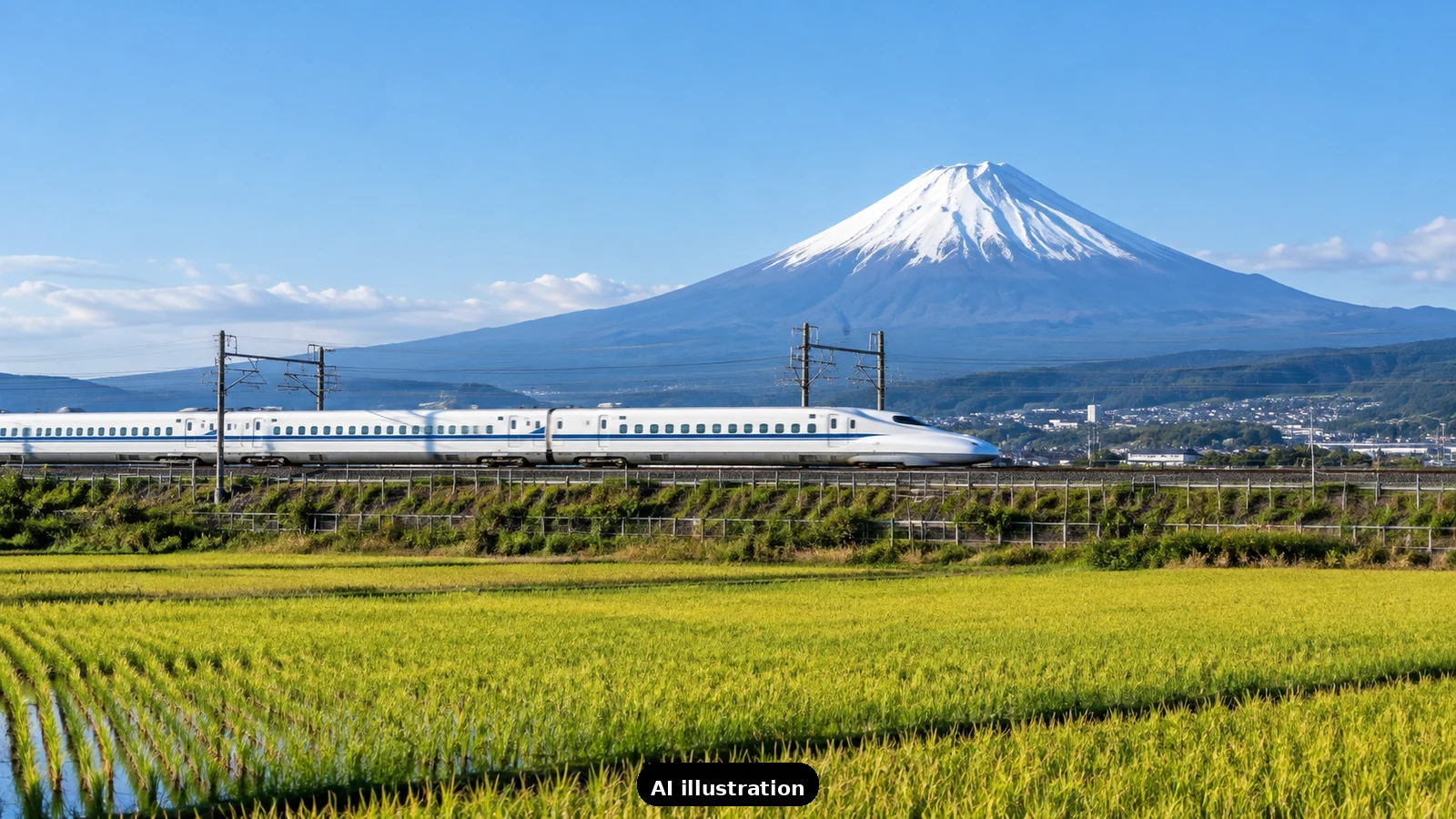
Day 5 - Shinkansen to Kyoto. Send your large suitcase ahead with a luggage forwarding service and ride the Tokaido Shinkansen with just an overnight bag - it transforms the travel day. About 2 hours 15 minutes to Kyoto. Settle in, then an evening walk through Gion as the lanterns come on.
Day 6 - Kyoto's east. Your early-waking superpower still works: Fushimi Inari's thousand torii gates at 7am are a different world from midday. Then Kiyomizu-dera and the preserved Higashiyama lanes. This is the trip's most photographed day.
Day 7 - Kyoto's west. Arashiyama's bamboo grove early, then Kinkaku-ji, the Golden Pavilion. Leave the afternoon loose - a tea house, the Nishiki market, or a rest. Ten-day trips are won on pacing, not checklists.
Day 8 - Nara, then Osaka. Check out, leave bags at the station or forward them, and spend half a day in Nara with the deer and Todai-ji's giant Buddha. Continue to Osaka by evening - it is under an hour - and dive into Dotonbori's street food for dinner.
Day 9 - Osaka. Osaka Castle in the morning, then whatever your appetite dictates: Kuromon market, Shinsekai, or a street food crawl. Keep the last evening free for whatever you missed or loved.
Day 10 - Fly out of Kansai (KIX). This is why the plan runs one-way: an open-jaw ticket (into Tokyo, out of Osaka) costs about the same as round-trip and saves you the 2.5-hour bullet train back to Tokyo and an extra hotel night. Book it as a "multi-city" search, not two one-ways.
Coming home. The return is the hard direction - flying east advances your clock, and jet lag runs rougher. If you can, give yourself a buffer day before going back to work, and resist napping past 3pm on your first day home.
How TripKeeper plans this differently. This pacing - soft landing day, effort ramping up through the week, no backtracking - is exactly how the team sequences trips when you send a "Plan your trip" inquiry. Hotels are placed near the stations you will actually use, big bags are forwarded between cities, and airport assistance smooths the arrival day. On founder-hosted fixed departures the same logic is built in for the whole group.

A Miranda House graduate and lawyer who traded courtrooms for slow travel. Cheshta travels with the batches we host ourselves, with a soft spot for travelling alongside elders.
Planning your next trip?
We'll handle insurance, hotels, airport assistance and the itinerary — the same way we do it for every trip.
Questions on this article
asked by readers, answered by us
Was this helpful?
one tap, no sign-up
