




The honest picture first
Cebu is a meat-and-seafood city - lechon, pork adobo and grilled fish dominate menus, and this is not Bangkok or Ubud. But vegetarians can eat well here for days with one habit: ask about the seasonings, not just the meat. A large share of Filipino cooking treats patis (fish sauce) and bagoong (fermented shrimp paste) as base ingredients rather than garnishes, so dishes that look entirely vegetable can still carry animal product in the broth or the wok. That single misunderstanding causes most of the frustration vegetarian travellers report in Cebu.
Dishes that are safe (with one sentence)
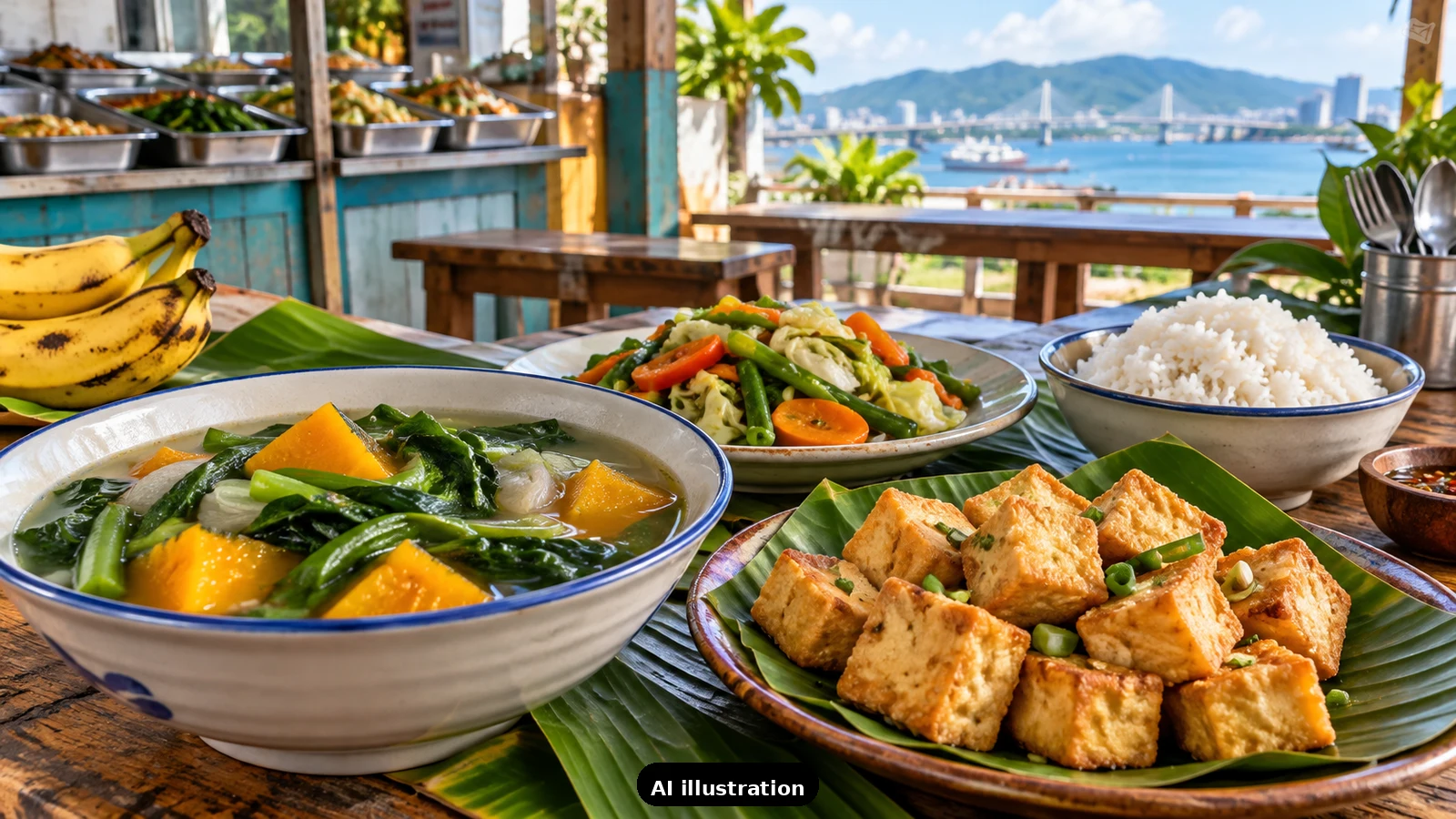
- Utan Bisaya - a Visayan boiled vegetable soup of squash, okra, string beans and malunggay. Vegetarian at its core, but often seasoned with patis or a little pork. Ask for it "walang patis, walang karne" and most carinderias can do it plain.
- Ginisang gulay - sauteed mixed vegetables. Mostly fine; sometimes cooked with pork bits or shrimp, so confirm before ordering.
- Monggo - mung bean stew; order it minus the usual pork.
- Rice with fried tokwa (tofu) - the reliable carinderia fallback.
Dishes that are traps
- Pinakbet - looks like a vegetable stir-fry; bagoong is the core seasoning, not a garnish. A vegetarian version needs a special request (soy sauce or salt instead) and not every kitchen does it well - order it only at a place that already caters to vegetarians.
- Chopsuey - restaurant versions almost always include shrimp, quail eggs or oyster sauce. Ask for it made without seafood and oyster sauce, or skip it.
- Fried rice and noodle dishes - often carry fish sauce or meat stock even when they read as vegetable sides. Ask every time.
The phrases that work
Learn one sentence: "Walang karne, patis, at bagoong po ba?" - "no meat, fish sauce or shrimp paste, right?" Tourist-facing restaurants and mall cafes know the question and will adjust a dish or point you to a safe one. At small neighbourhood carinderias, the simpler "gulay lang, walang karne" (vegetables only, no meat) gets the point across. Strict vegans should add "walang itlog, walang gatas" (no egg, no milk) - Filipino cooking uses egg and evaporated milk more often than you would expect, including in most desserts.
Where the dedicated spots are
Cebu City's plant-based scene is small but genuine, anchored by Lun-haw Vegan Cafe on N. Escario Street and Wellnessland Vegetarian Cafe in Zapatera (which doubles as a small health food shop), backed up by Indian vegetarian kitchens like Little India and Cherry's The Spice. Expect P150-500 per meal at a dedicated spot. Indian restaurants are the most reliable fallback anywhere in the city. For self-catering, Carbon Market downtown is the cheap fresh-produce source, and the supermarkets inside Ayala Center and SM City carry small but growing imported vegan sections - bring specialty items like nutritional yeast from home if you are particular.
Planning notes that save the trip
- Outside Cebu City, options thin out fast. Heading south to Moalboal or Oslob? Eat your reliable meals in the city and carry snacks for the coast days.
- Temple stops have no food for you. Neither the Temple of Leah nor the Cebu Taoist Temple has vegetarian food on-site - time meals around the hills trip.
- Budget truth: a rice-and-vegetable carinderia plate adapted with the phrases above is cheaper than a dedicated vegan cafe meal, and often the more local experience.

A Miranda House graduate and lawyer who traded courtrooms for slow travel. Cheshta travels with the batches we host ourselves, with a soft spot for travelling alongside elders.
Planning your next trip?
We'll handle insurance, hotels, airport assistance and the itinerary — the same way we do it for every trip.
Questions on this article
asked by readers, answered by us
Was this helpful?
one tap, no sign-up