




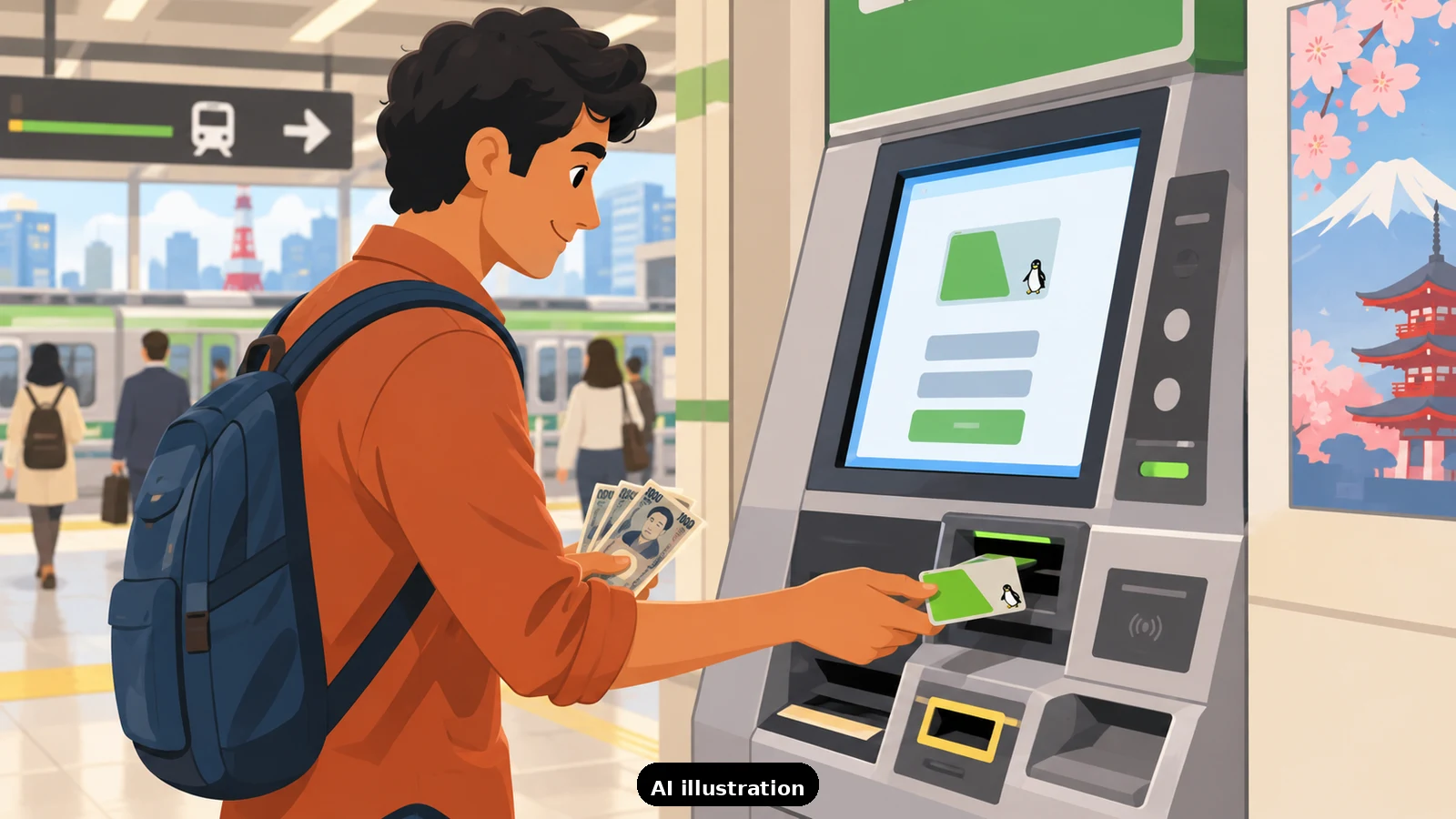
If your phone setup is uncertain - an Android without Wallet Suica, an iPhone whose Indian cards refuse stored-value top-ups, or simply a preference for something that works with a dead battery - a physical IC card is the reliable backbone of getting around Japan. Suica and PASMO work identically for a tourist: trains, metros, buses, konbini, vending machines and lockers, all with one tap. The choice between them matters far less than knowing which version to buy.
The visitor versions are the easy ones. Two cards are designed for short-stay travellers: Welcome Suica, sold by JR East, and TOURIST PASMO, sold by non-JR operators. Both skip the 500 yen deposit that regular cards charge, both are valid for 28 days from purchase, and neither refunds leftover balance - so treat them as use-it-up cards. JR East's Welcome Suica page lists current sale locations, including JR East Travel Service Centers at Narita Airport, and caps sales at one card per person. At Haneda, Welcome Suica is available at the Terminal 3 station area. If a counter sells you whichever visitor card is on the shelf on your route, take it - the two are functionally twins.
Regular Suica and PASMO: the deposit question. Standard cards cost a refundable 500 yen deposit on top of the loaded balance, stay valid for ten years from last use, and unused balances are refundable (minus a small fee) when you return the card - in the Suica case, only within the JR East region. One caution: sales of unregistered regular cards have been paused and restarted at times in recent years, so do not build your arrival plan on finding one at a random machine. The visitor cards exist precisely so tourists are never stranded by this.
Buying from a machine: cash first. At station ticket machines, switch the menu to English, choose the IC card purchase or charge option, and feed in yen notes or coins. Machines that sell and recharge IC cards generally take cash; card payment at ordinary ticket machines is limited, so keep enough yen for your first load - 2,000 to 3,000 yen per card covers the airport run and a day of hopping around. Recharging later is the same flow: insert the card, choose charge, insert cash. Convenience store counters will also recharge your card for cash - just say "charge" or point at the card.
Recharge smart, not often. Balance caps at 20,000 yen. Top up in round chunks - 3,000 or 5,000 yen - and watch the gate display: it flashes your remaining balance every time you tap through. On your last day, aim to draw the balance down on konbini snacks or the final airport train, since visitor cards do not refund leftovers and refunding a regular card is an errand most people do not have time for at departure.
One card per person, including kids. IC cards cannot be shared on a single gate tap, so every traveller needs their own - children ride at child fares on child versions of the cards bought at station counters with a passport. Keep each card separate; stacked cards confuse the readers.
How TripKeeper handles it. On our founder-hosted Japan departures, the tour leader sorts IC cards for the whole group on arrival - right card, right first load, child cards where needed - so nobody learns ticket machines the hard way after a long flight. If you are travelling on your own, the "Plan your trip" inquiry includes the same arrival-day setup in your plan, tuned to which airport you land at and how you are getting into the city.

A Miranda House graduate and lawyer who traded courtrooms for slow travel. Cheshta travels with the batches we host ourselves, with a soft spot for travelling alongside elders.
Planning your next trip?
We'll handle insurance, hotels, airport assistance and the itinerary — the same way we do it for every trip.
Questions on this article
asked by readers, answered by us
Was this helpful?
one tap, no sign-up