




The Trip Keeper The Trip Keeper
three doors, pick the one that fits your family How do you want to travel?
Cheshta Agarwal, founder and host of The Trip Keeper, smiling on a green country road
Hosted by Cheshta

Founder-Hosted Group Tour

the trips where Cheshta travels with you

Our own exclusive group trips. Cheshta is on the trip, from the first flight to the last dinner.

  • Cheshta travels with the group
  • One clear price, inclusions listed
  • Meet your travel family
Next up: Vietnam, 17 DecView →
See founder trips →
A fixed-departure batch on tour

fixed dates, fixed flights

Join a batch of fellow travellers on set dates. Limited seats, flights included, with options. Our team doesn't travel on these.

  • Fixed dates and flights
  • Limited seats per batch
  • Flight options available
See departures →
A private family trip

Private Tour

your dates

just your family, nobody else

Trips planned around your family, your pace and your dates. Milestone birthdays and anniversaries.

  • Travel on your own dates
  • Route shaped around you
Ask for a quote →
← Journal ☏
Food & Dining 3 min read

Indian Restaurants in Tokyo: Where to Eat Near Shinjuku and Asakusa

When dal-chawal cravings hit in Tokyo, these are the neighbourhoods and names to know - Shinjuku's cluster of long-running Indian kitchens, Asakusa-side options, and how to spot a genuinely vegetarian-friendly menu.

share WhatsApp Facebook X
Text size
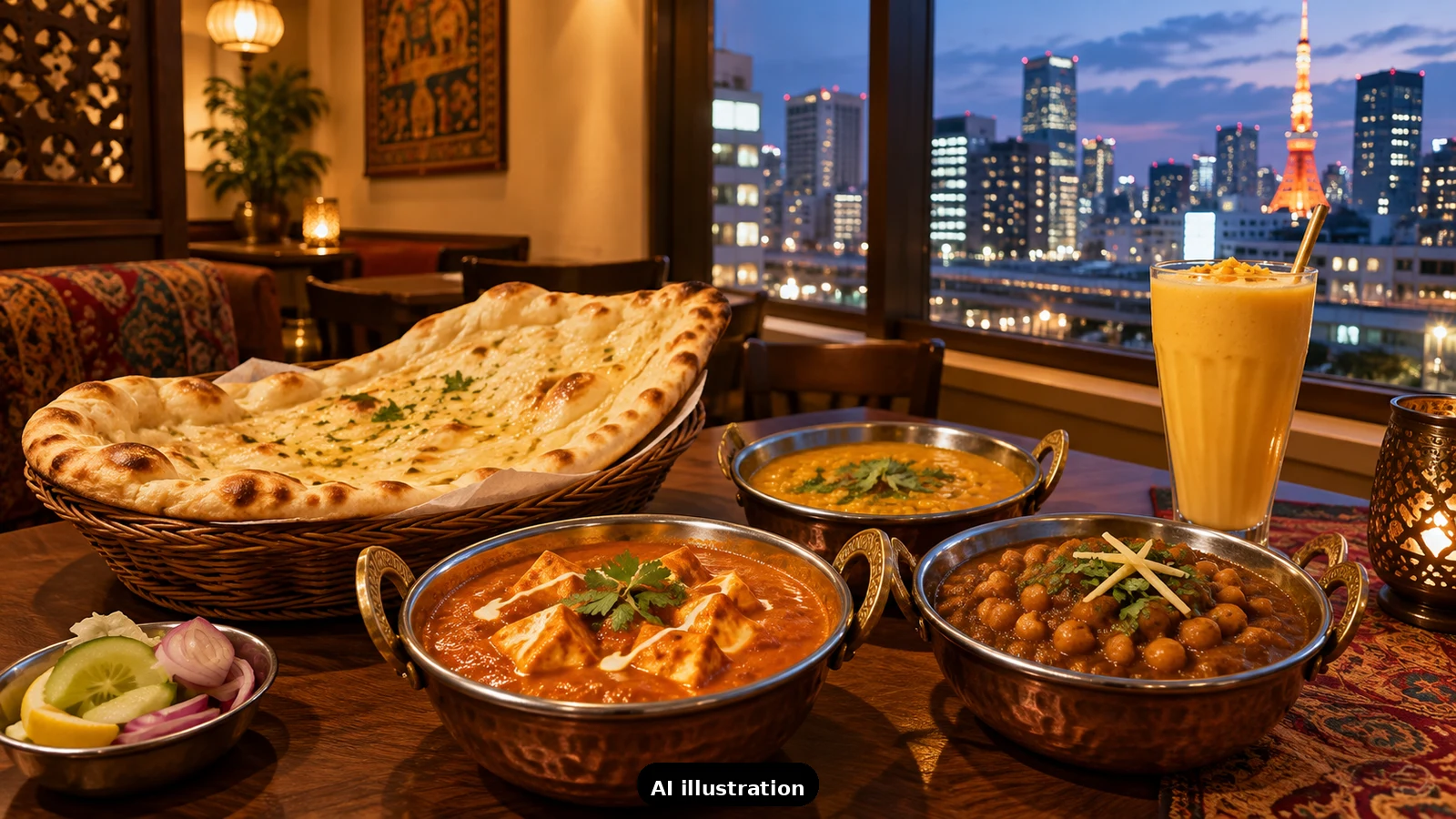
Indian curries, naan and mango lassi on a table in a Tokyo restaurant with the city skyline at dusk
Send to Mummy-Papa Opens WhatsApp with a short summary — pick who to send it to.

Day four or five of a Japan trip is when it hits: the craving for dal, proper spice, and food that fights back a little. The good news is that Tokyo has a deep bench of Indian restaurants - many run for decades, staffed by Indian and Nepali chefs, and very used to vegetarian and Jain diners. The two areas Indian travellers ask us about most are Shinjuku (where most tours stay) and the Asakusa side (where the sightseeing days end). Here is how to eat well in both, with the honest caveat that restaurants change - always check the current hours and menu before you cross the city for dinner.

Shinjuku: the reliable cluster. Shinjuku has Tokyo's densest concentration of Indian restaurants, many in the office-building basements and side streets around the station. Indian Restaurant Mumbai, in the Shinjuku Sumitomo Building (B1F, a short walk from the west exit), is a current favourite - its dabba lunch sets and Punjabi curries draw strong reviews from Indian diners, and it lists vegetarian and halal options. Masala Dining in Shinjuku 3-chome is known for South Indian-style vegetarian curries and its cheese naan. You will also find long-running names like Khana and several Nepali-run curry houses within a ten-minute walk of the station. Lunch sets in this area typically run far cheaper than dinner - the same kitchen, half the price.

Asakusa side: fewer, but they exist. Asakusa itself is temple-and-street-food territory, so the Indian options sit slightly outside the tourist core. In and around Asakusabashi - one stop away - you will find Indian restaurants such as Ganga, which serves the standard naan-and-curry spread with vegetarian choices and is listed on Japan's halal restaurant directories. If you are ending your day at Senso-ji, plan on a short train or taxi hop rather than expecting an Indian kitchen on Nakamise Street.

How to spot a genuinely vegetarian-friendly one. Three quick checks: the menu marks vegetarian dishes (most Indian restaurants in Tokyo do, and many have a full veg page); the restaurant understands "no dashi, no meat stock" - Indian kitchens cook curries from spice bases, not fish stock, so the usual Japanese hidden-dashi problem mostly disappears; and recent reviews from Indian diners mention the vegetarian food specifically. If all three check out, you are in safe hands.

What to order. The comfort order: chole or rajma with rice or naan, a paneer dish, and a lassi. South Indian places do dosa and idli days - worth asking. Spice levels in Japan-run Indian restaurants are tuned mild; if you want real heat, ask for "Indian spicy" or the top of their spice scale, and expect it to arrive politely below Guntur levels anyway.

Practical tips. Lunch (11:30-14:30) is the value play almost everywhere. Most places accept cards now, but carry some cash for smaller curry houses. Google Maps ratings are reliable for this category in Tokyo, and Tabelog scores above roughly 3.3 are a good sign. For strict Jain needs, call ahead - no-onion-no-garlic is an unusual request and kitchens appreciate the warning.

How TripKeeper helps. Travellers on our founder-hosted Japan departures get our current, personally vetted restaurant shortlist for the neighbourhoods on their route - the team keeps it fresh because our founders and tour leaders eat at these places trip after trip, and we happily handle special dietary requests with restaurants in advance. If you are planning your own dates, the "Plan your trip" inquiry gets you the same shortlist along with the rest of our Japan kit.

Send to Mummy-Papa Opens WhatsApp with a short summary — pick who to send it to.
Cheshta Agarwal
Founder · Travel Creator · Lawyer

A Miranda House graduate and lawyer who traded courtrooms for slow travel. Cheshta travels with the batches we host ourselves, with a soft spot for travelling alongside elders.

or let us do all of it

Planning your next trip?

We'll handle insurance, hotels, airport assistance and the itinerary — the same way we do it for every trip.

Questions on this article

asked by readers, answered by us

Are there good Indian restaurants near Shinjuku Station?

Yes - Shinjuku has one of Tokyo's best clusters of Indian restaurants. Indian Restaurant Mumbai in the Shinjuku Sumitomo Building (B1F) is a current favourite with vegetarian and halal options, and Masala Dining in Shinjuku 3-chome is known for South Indian-style vegetarian curries and cheese naan. Several long-running Nepali and Indian curry houses sit within a ten-minute walk of the station. Check current hours before going.

Is Indian food in Tokyo vegetarian-friendly?

Very. Indian restaurants in Tokyo typically mark vegetarian dishes, many have a full vegetarian menu page, and the kitchens cook from spice bases rather than fish stock - so the hidden-dashi problem common in Japanese restaurants mostly disappears. For strict Jain requirements (no onion, no garlic), call ahead, as this is an unusual request that kitchens handle better with notice.

Where can I eat Indian food near Asakusa?

Asakusa's tourist core is mostly Japanese street food and temple fare, so Indian restaurants sit just outside it. Around Asakusabashi, one stop away, restaurants such as Ganga serve naan, curries and vegetarian options and appear on Japan's halal restaurant directories. Plan a short train or taxi ride from Senso-ji rather than expecting an Indian restaurant on Nakamise Street.

Is Indian restaurant food spicy enough in Japan?

Indian restaurants in Japan usually tune their default spice level to local taste, which is mild. If you want real heat, ask for their highest spice level - many menus have a numbered scale - or say you want it 'Indian spicy'. Even then, expect it to arrive gentler than what you would get in India.

What is the cheapest time to eat at Indian restaurants in Tokyo?

Lunch. Most Indian restaurants in Tokyo run lunch sets from about 11:30 to 14:30 - a curry or two, naan or rice, salad and a drink - at well under half the price of the same food at dinner. The kitchen and quality are the same; only the price changes.

Do Indian restaurants in Tokyo accept credit cards?

Most do now, especially the larger ones around Shinjuku Station, but smaller family-run curry houses may still be cash-only or prefer cash. Carry some yen as backup. ATMs at 7-Eleven accept international cards if you need cash quickly.

Was this helpful?

one tap, no sign-up

Trips this applies to

Read next

← Journal See our trips